Car Makes Popping Noise When Braking: Causes and Fix
by Sarah Whitfield
Does your car make a popping noise when braking — and you have no idea what's causing it? That sound is your car flagging a problem. In most cases, the culprit is worn brake hardware, a loose caliper bolt, or a failing suspension component. The good news: many of these fixes cost under $20. This guide covers every major cause, a step-by-step home diagnosis process, and what repairs typically cost. For more issues like this, browse the troubleshooting section.
A popping noise when braking can come from the front, rear, or a specific corner of the car. Location matters. So does timing — does it happen every time you brake, only at low speeds, or only while turning? Those details narrow down the cause significantly before you touch a single bolt.
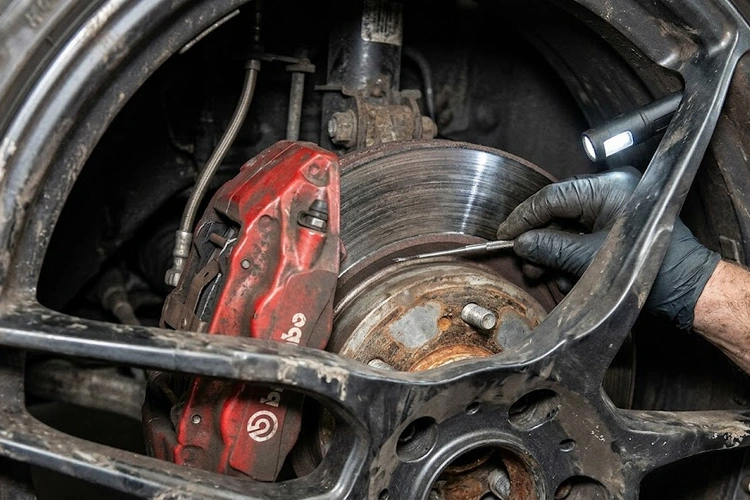
Figure 1 — A mechanic inspecting brake calipers and hardware to diagnose a popping noise when braking.
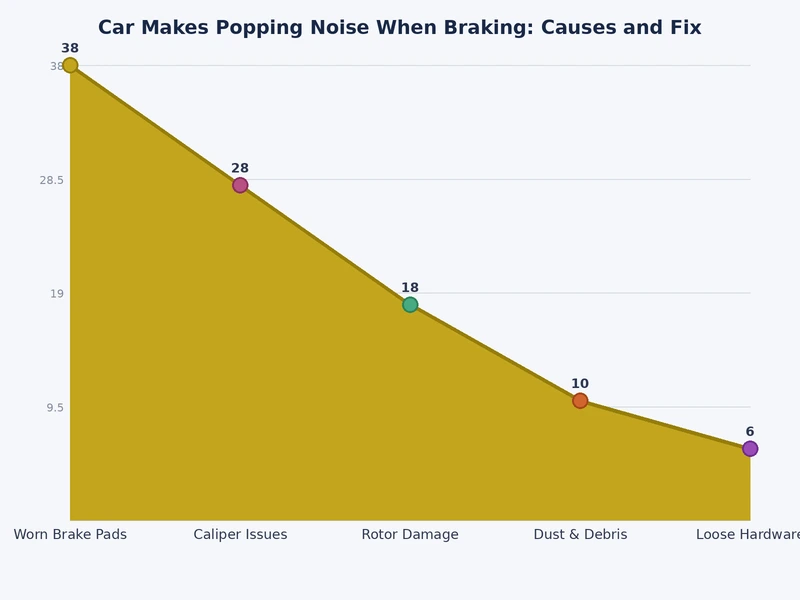
Figure 2 — Most common causes of a popping noise when braking, ranked by frequency reported by mechanics.
What Causes a Popping Noise When Braking?
According to NHTSA brake safety guidelines, worn or improperly installed brake components are among the leading causes of unexpected brake noise. Most cases fall into three categories: brake system faults, suspension failures, and miscellaneous mechanical issues. Here is what to look for in each.
Brake-Related Causes
Worn brake pads. Every pad has a wear indicator — a small metal tab. When the pad wears down to that tab, it contacts the rotor. The result is a grinding or popping sound under braking pressure.
Loose caliper bolts. The caliper (the hydraulic clamp that squeezes the rotor) is held by two guide bolts. If either loosens, the caliper shifts slightly when you press the pedal. That shift produces a distinct pop or clunk.
Missing or worn anti-rattle clips. Anti-rattle clips hold brake pads snugly inside the caliper bracket. When clips compress, crack, or go missing, pads shift slightly before braking force fully engages. A low-speed pop is the telltale result.
Sticking brake caliper. A caliper that doesn't fully release keeps constant friction on the rotor. When you apply more braking pressure, the caliper flexes against that resistance — and pops.
Warped or scored rotors. Heat from repeated hard stops warps the disc. A warped rotor creates a rhythmic pulsing — sometimes perceived as a pop — each time the high spot passes under the brake pad.
Air in the brake lines. Air compresses differently than brake fluid. It creates irregular pressure engagement inside the caliper, which can cause inconsistent noise alongside a spongy pedal feel.
Dry or corroded caliper slide pins. Slide pins let the caliper float side-to-side for even pad wear. When they seize from rust or lack of grease, the caliper binds and then releases abruptly — producing a pop.
Suspension-Related Causes
Braking transfers vehicle weight forward. That load shift puts stress on every front suspension component. When parts are worn, they pop under that stress. If you also notice changes in handling or uneven tire wear, check the suspension before assuming the brakes are the cause. Drivers who hear a similar noise combined with steering wander should read about bad strut mount symptoms — a worn strut mount bearing is a frequent culprit.
Worn strut mounts. The strut mount connects the suspension strut to the car body. Inside it sits a bearing that allows the assembly to rotate during steering. When that bearing wears out, it grinds and pops under the weight transfer of braking.
Bad ball joints. Ball joints are the pivot points connecting the lower control arm to the steering knuckle. A worn ball joint has excess play. Under hard braking — when weight shifts forward — the joint moves, then snaps back into position with a pop.
Worn sway bar end links. Sway bar end links keep the car stable during cornering. When their bushings crack, they develop play. Braking combined with even slight directional changes causes that play to produce a knock or pop.
Loose control arm bushings. Bushings are rubber cushions between metal suspension parts. When they harden and crack with age, the metal-to-metal contact under braking load creates a popping or clunking noise.
Other Causes
Normal ABS activation. The ABS (Anti-lock Braking System) rapidly pulses the brakes to prevent wheel lockup on slippery surfaces. The result is a fast vibration and sound that can feel like a pop. This is the system functioning correctly — not a fault.
Loose heat shield. Heat shields are thin metal guards that protect components near the exhaust. A rusted or loose shield vibrates and pops when chassis flex from braking acts on it.
Debris in the brake assembly. A small rock or piece of gravel caught between the pad and rotor creates a sharp, intermittent popping or grinding sound. It often clears on its own — or requires removing the wheel to dislodge it.
Repair vs. Replace: Weighing Your Options
Not every popping brake noise requires a full brake job. Some causes cost next to nothing to fix. Others — ignored long enough — compound into expensive failures. Here is how to weigh the decision.
Benefits of Repairing First
Lower upfront cost. Replacing a $15 anti-rattle clip set or re-torquing a caliper bolt is nearly free compared to replacing an entire caliper assembly ($200–$400 per wheel at a shop).
Less downtime. Simple brake hardware repairs take 30–60 minutes at an independent shop. A full caliper or strut replacement takes two to three hours per side.
Preserves functional parts. If only the clips or slide pins are worn, there is no reason to replace pads or rotors that still have service life remaining.
Confirms the root cause. A targeted repair tells you definitively what was wrong. If the noise returns, that information becomes valuable data for the next diagnosis.
Risks of Delaying Any Repair
Reduced stopping power. A sticking caliper or worn pads reduce braking force. The degradation is gradual — you may not notice until you need a hard stop.
Rotor damage. Metal-on-metal contact from worn pads destroys rotor surfaces quickly. A rotor that could have been resurfaced for $30 may now need full replacement at $80–$150 per side.
Caliper seizure. A partially sticking caliper that goes unaddressed can seize completely, requiring a full caliper replacement and rotor inspection — a job that costs three to five times more than early intervention.
Cascading suspension wear. A popping strut mount or ball joint worsens with every mile driven. Worn parts transfer abnormal stress to adjacent components, accelerating failure across the entire corner.
How to Diagnose the Popping Noise Yourself
You can narrow down the cause significantly before visiting a mechanic. Follow these steps carefully. Bring a flashlight and a basic socket set.
Step-by-Step Inspection
Identify the location. Drive slowly in a quiet area. Determine whether the pop comes from the front-left, front-right, rear-left, or rear-right corner. Front pops usually point to calipers, strut mounts, or ball joints. Rear pops may indicate drum brake hardware issues. On vehicles with rear drum brakes, also consider a bad wheel cylinder as a potential source of brake noise and pressure loss.
Note when it happens. Does the pop occur every time you brake? Only at low speeds under 15 mph? Only when braking and turning simultaneously? Each pattern points to a different part.
Check pad thickness visually. Look through the wheel spokes at the rotor and caliper. The brake pad should be visible against the rotor. If the friction material looks thinner than 3mm — roughly the thickness of two pennies — the pads are near the end of their service life.
Inspect caliper hardware. With the wheel removed, check that caliper bolts are snug by hand. Look for missing, cracked, or compressed anti-rattle clips in the caliper bracket. These small clips are a surprisingly common and cheap cause of brake noise.
Check caliper slide pins. Pull each slide pin out of its rubber boot. It should slide smoothly with a light film of grease. A dry, rusty, or stiff pin is a clear fault.
Grab and rock the wheel. With the wheel installed but the car on a jack stand, grab the tire at the 12 and 6 o'clock positions and rock it firmly. Any vertical movement indicates a worn ball joint or wheel bearing — both pop under braking load.
Bounce the front bumper. With all four wheels on the ground, push down firmly on the front bumper corner and release. A popping or creaking sound from the wheel well points to a worn strut mount bearing.
Check for loose heat shields. Crawl under the car and gently flex the thin metal shields near the exhaust system and around each wheel. A shield that flexes easily or rattles when tapped is likely the noise source.
When to Call a Mechanic
The brake pedal feels soft, spongy, or travels unusually far before resistance — possible air in the lines or a hydraulic failure.
The car pulls noticeably to one side when braking — a strong indicator of a seized caliper on that side.
You have inspected the obvious causes and still cannot identify the noise source.
The noise has been present for more than a week without change or improvement.
You hear the pop accompanied by a burning smell or visible smoke from a wheel — pull over immediately.
Mistakes That Make Brake Noise Worse
Drivers routinely accelerate brake damage through common habits and shortcuts. These mistakes are worth knowing before you attempt any repair.
Common Errors Drivers Make
Ignoring the noise entirely. A popping brake noise almost never resolves on its own. Every mile adds wear to already-compromised parts.
Replacing only the pads. If worn pads have already scored or glazed the rotor surface, new pads on a damaged rotor will wear unevenly and re-create noise within weeks. Always inspect the rotor when replacing pads.
Skipping the hardware kit. Most brake pad boxes include — or are sold alongside — a hardware kit containing new clips, shims, and sometimes slide pin boots. Many shops skip these to save time. Old, compressed clips cannot hold pads snugly enough.
Over-torquing caliper bolts. Tightening caliper bolts beyond manufacturer spec (typically 25–44 ft-lbs, depending on the vehicle) can warp the caliper bracket or strip threads. Always use a torque wrench.
Applying grease to the wrong surfaces. Brake lubricant belongs on the back of the pad, caliper bracket contact points, and slide pins. It must never touch the rotor face or the pad friction material. Even a small amount dramatically reduces stopping power.
What Not to Do
Do not assume ABS pulsing during emergency stops is a mechanical fault. That rapid vibration is the system doing its job correctly.
Do not spray brake cleaner into the brake assembly while the rotor is still hot. Allow everything to cool to prevent burns and dangerous fumes.
Do not mix brake fluid types (DOT 3, DOT 4, DOT 5.1) without flushing the system first. Different formulations have different boiling points and are not always chemically compatible.
Do not assume the noisiest wheel is the only problem. A severely worn side often means the opposite side is not far behind.
Brake Popping Myths, Debunked
Misinformation about brake noise circulates freely online and in shop waiting rooms. Here are the most common myths — and what mechanics actually find.
Five Common Misconceptions
Myth: "New brakes always make noise at first." New pads may squeal slightly for the first 50–100 miles during the bedding-in process. They should not pop or clunk. A pop from freshly installed brakes typically means missing hardware or an installation error.
Myth: "The pop is just the ABS." ABS produces a rapid mechanical vibration during maximum-effort stops on low-traction surfaces. A single pop or intermittent clunk during normal braking at regular speeds is a mechanical fault — not ABS activation.
Myth: "Cheap brake pads cause all the noise." Pad compound can affect squealing in certain temperature ranges, but loose caliper hardware and worn suspension components are responsible for most popping noises. Premium pads installed over loose caliper bolts will still pop.
Myth: "If the car still stops, the noise isn't serious." Braking performance degrades gradually. You may not feel the loss of stopping power until a hard stop is necessary. Noise is an early warning — not confirmation that everything else is fine.
Myth: "Popping always means the rotors need replacing." Rotors are one possible cause among many. A thorough inspection frequently reveals a $10 hardware clip or a loose bolt as the actual source. Replace parts based on diagnosis — not assumption.
Tips to Prevent Brake Popping Noise
Prevention is substantially cheaper than repair. These habits reduce the chance of hearing that pop again.
Maintenance Habits
Inspect brakes every 12,000 miles or at every tire rotation. A visual check of pad thickness and caliper hardware takes under five minutes with the wheel on.
Always install a hardware kit with new pads. New clips, shims, and slide pin boots cost $10–$25 and eliminate the most common sources of brake rattle and popping.
Flush brake fluid every two to three years. Brake fluid absorbs moisture over time. Contaminated fluid lowers the system's boiling point and accelerates corrosion inside calipers and wheel cylinders.
Clean and lubricate caliper slide pins at every brake job. Remove each pin, clean off old grease and rust, and apply fresh high-temperature brake lubricant before reinstalling.
Check suspension components annually. Ball joints, strut mounts, and sway bar end links wear quietly. An annual undercar inspection catches worn bushings and bearings before they reach the point of failure.
Driving Habits That Help
Brake gradually when conditions allow. Hard, repeated stops generate significant heat. Heat warps rotors, glazes pads, and accelerates clip and hardware degradation.
Allow brakes to cool before driving through water. Hitting a puddle or puddle-lined road immediately after sustained hard braking can warp rotors from rapid thermal contraction.
Use engine braking on long descents. Downshifting reduces brake heat on steep grades and extends pad and rotor life significantly.
Don't ignore alignment drift. Misaligned wheels cause uneven braking force across an axle, wearing one side faster than the other and eventually causing one-sided brake noise.
Repair Cost Breakdown
Repair costs for a car that makes a popping noise when braking vary by vehicle, region, and whether you do it yourself or use a shop. The table below covers every major cause with realistic cost ranges.
Parts and Labor Estimates
Cause
DIY Parts Cost
Shop Total (Parts + Labor)
Urgency
Anti-rattle clips / hardware kit
$10–$25
$50–$110
Low–Medium
Brake pads (per axle)
$25–$85
$150–$320
High
Brake rotors (per axle)
$40–$130
$200–$460
High
Brake caliper (per wheel)
$60–$160
$200–$420
High
Caliper slide pins (per caliper)
$8–$20
$60–$120
Medium
Strut mount (per side)
$40–$110
$200–$420
Medium–High
Ball joint (per side)
$35–$110
$150–$380
High
Sway bar end links (pair)
$20–$65
$100–$210
Medium
Heat shield repair or replacement
$10–$35
$50–$150
Low
Brake fluid flush
$15–$30
$80–$160
Routine
Note: Labor rates vary from around $80/hr at independent shops to $150+/hr at dealerships. Always request a written estimate and ask the mechanic to show you the worn part before authorizing any repair.
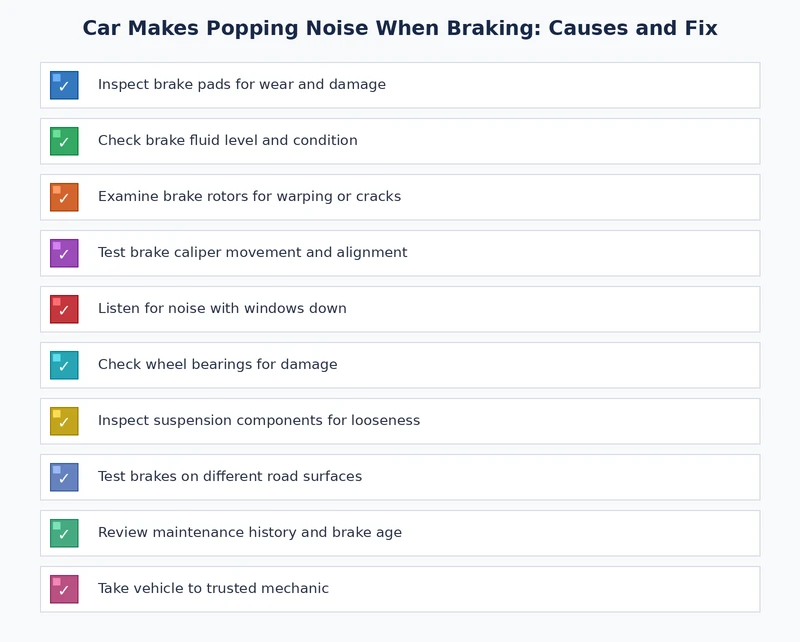
Figure 3 — Diagnostic checklist for narrowing down the cause of a popping noise when braking.
Frequently Asked Questions
Why does my car make a popping noise only when braking slowly?
Low-speed popping is most often caused by worn or missing anti-rattle clips and loose caliper hardware. At slow speeds, braking force shifts the pads slightly before full clamping pressure engages. Replacing the hardware kit and re-torquing the caliper bolts usually eliminates the noise.
Is it safe to keep driving when the car makes a popping noise when braking?
It depends on the cause. A loose heat shield is cosmetic. Worn brake pads or a sticking caliper directly affect stopping power. If the noise is accompanied by a soft pedal, the car pulling to one side, or reduced braking response, stop driving and have the car inspected before continuing.
Can suspension parts cause a popping noise when braking?
Yes. Worn strut mount bearings, bad ball joints, and cracked sway bar end link bushings all pop under the forward weight transfer that braking creates. If you have already replaced brake hardware and the noise remains, shift your inspection to the front suspension components.
Why does the pop only happen when braking on one side?
A noise isolated to one corner points to a component specific to that wheel — most often a sticking caliper, worn ball joint, or a failed strut mount bearing. Remove that wheel, inspect the brake hardware closely, and bounce the suspension to test the strut mount.
Will replacing brake pads fix the popping noise?
New pads will fix the noise only if worn pads are the cause. If the problem is a loose caliper bolt, cracked clips, or a worn suspension part, new pads won't change anything. Diagnose the specific cause first, then replace only the failing component.
How much does it typically cost to fix a popping noise when braking?
Costs range from under $25 for a hardware clip kit to $420 or more for a caliper or strut mount replacement at a shop. The final cost depends entirely on which part is at fault. A proper diagnosis before any parts purchase saves money in most cases.
Is the popping sound from ABS normal?
A rapid mechanical pulsing during hard braking on ice or wet roads is the ABS system working correctly — that is not a fault. A single pop or intermittent clunk during routine braking at normal speeds is a mechanical issue unrelated to ABS and should be investigated.
How often should brakes be inspected to prevent this problem?
Inspect brake pad thickness and caliper hardware every 12,000 miles or at every tire rotation. Replace the hardware kit at every pad change. Have suspension components — ball joints, strut mounts, and sway bar links — checked annually as part of a routine undercar inspection.
Key Takeaways
A car that makes a popping noise when braking most often has a loose caliper bolt, worn anti-rattle clips, or a failing suspension component — not necessarily a major brake system failure.
Diagnosing by corner location and braking condition (speed, turning, frequency) narrows the cause before you spend money on parts.
Simple fixes like replacing the hardware clip kit or re-torquing caliper bolts cost under $25 and resolve many brake popping problems entirely.
Ignoring brake noise is never safe — most causes worsen progressively, increasing repair costs and reducing your vehicle's stopping power over time.
Sarah Whitfield is a diagnostics and troubleshooting specialist who spent ten years as an ASE-certified technician before joining the editorial team. She specializes in OBD-II analysis, electrical gremlins, and the kind of intermittent problems that make most owners give up.