by Joshua Thomas
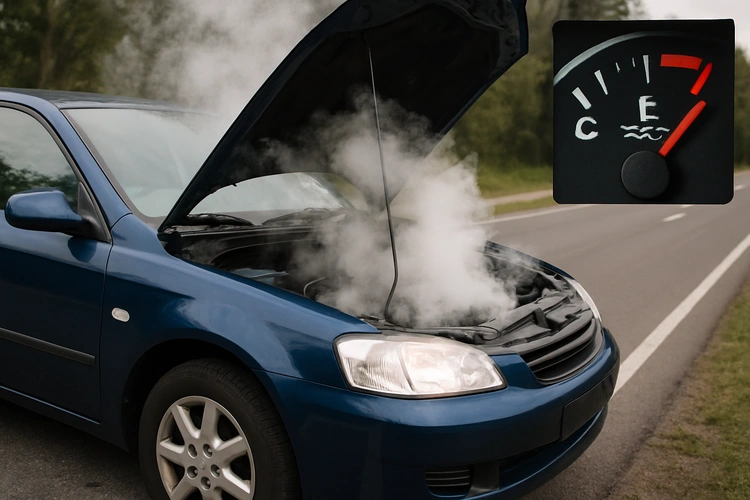
Few things are more alarming than watching your temperature gauge climb into the red. Understanding car overheating causes is the first step toward protecting your engine from serious — and expensive — damage. Whether you're stuck in traffic or cruising on the highway, an overheating engine can go from bad to catastrophic in minutes. This guide covers the 8 most common causes, the warning signs to watch for, and exactly what to do if it happens to you.
Your engine generates enormous heat during normal operation. The cooling system's job is to regulate that heat and keep everything within a safe range. When any part of that system fails, temperatures spike fast. If you've ever noticed your car smells like antifreeze, that's often one of the first clues that your cooling system is struggling.
Contents
Catching overheating early prevents catastrophic engine damage. According to the National Highway Traffic Safety Administration, vehicle fires — a worst-case outcome of severe overheating — cause thousands of injuries annually. Know these warning signs:
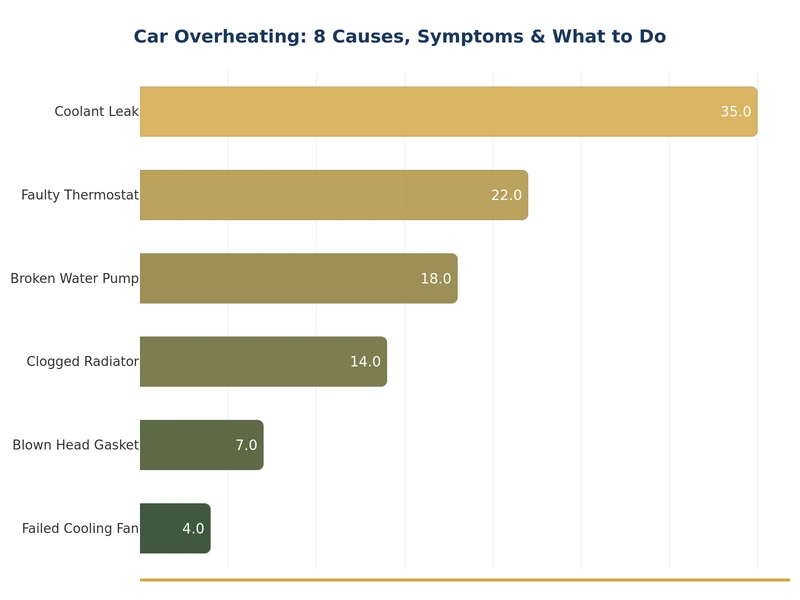
Coolant (antifreeze) is the lifeblood of your cooling system. When the level drops too low, there simply isn't enough fluid to absorb and transfer heat away from the engine. This is the single most common car overheating cause. Check your coolant reservoir regularly — it should sit between the MIN and MAX marks. Always check when the engine is cold to avoid burns.
A leak will drain your coolant faster than you realize. Leaks can come from hoses, the radiator, water pump, or a damaged reservoir. You might notice a puddle of green, orange, or pink fluid under your parked car. If you've spotted a sweet antifreeze smell inside or outside the car, trace it immediately — leaks don't fix themselves.
The thermostat is a small valve that opens to allow coolant to flow through the radiator once the engine reaches operating temperature. If it sticks closed, coolant can't circulate and temperatures skyrocket. A stuck-open thermostat causes different problems (poor fuel economy, slow warmup), but a stuck-closed thermostat causes rapid overheating. Learn more about bad thermostat symptoms to catch this failure early.
The water pump is what physically circulates coolant through the entire cooling system. If the impeller inside the pump is corroded, broken, or the pump shaft has failed, coolant stops moving. A car can go from normal operating temperature to dangerously hot within minutes when the water pump fails. Signs include coolant leaking from the pump's weep hole, a whining noise from the front of the engine, or visible bearing play.
The radiator dissipates heat from the coolant by passing it through thin metal fins exposed to airflow. Over time, these fins can become clogged with bugs, dirt, or debris — especially if you've recently driven on gravel roads or haven't cleaned your engine bay in a while. Internal scale buildup from old coolant is equally damaging. A bent or punctured radiator from road debris also reduces cooling capacity significantly.
At low speeds and when stationary, the radiator relies on an electric or belt-driven fan to pull air through the fins. If that fan fails, heat builds up rapidly — especially in stop-and-go traffic. Electric fan motors burn out over time, and the relays or temperature sensors that trigger them can also fail. If your car only overheats in traffic but stays cool on the highway, a faulty radiator fan is the prime suspect.
A blown head gasket is both a cause and consequence of overheating. The head gasket seals the combustion chamber from the coolant passages. When it fails, combustion gases enter the cooling system, creating air pockets that disrupt coolant flow and cause rapid overheating. Telltale signs include white smoke from the exhaust, milky oil on the dipstick, bubbling in the coolant reservoir, and persistent overheating even after refilling coolant.
Engine oil doesn't just lubricate — it also carries heat away from engine components. When oil level drops critically low or the oil is severely degraded, more heat builds in the engine than the cooling system alone can handle. Always maintain your oil within the correct range and change it at the manufacturer's recommended intervals.
Acting quickly and correctly can be the difference between a minor repair and a destroyed engine.
If you've driven through the overheating even briefly, have the engine inspected before driving again. Warped cylinder heads and cracked blocks are expensive repairs that result from ignoring the warning signs.
| Cause | Key Symptom | DIY Fix? | Typical Repair Cost |
|---|---|---|---|
| Low Coolant | Temp gauge rising, heater cold | Yes | $10–$30 (coolant top-up) |
| Coolant Leak | Puddle under car, sweet smell | Sometimes | $100–$900+ |
| Faulty Thermostat | Rapid overheating from cold | Yes (some models) | $150–$400 |
| Failed Water Pump | Whining noise, coolant leak | Advanced DIY | $300–$750 |
| Blocked Radiator | Overheats at low speed | Sometimes | $100–$900 |
| Radiator Fan Failure | Overheats in traffic only | Yes (electric fans) | $200–$600 |
| Blown Head Gasket | White exhaust smoke, milky oil | No | $1,000–$2,500+ |
| Low Engine Oil | Oil light on, rough running | Yes | $30–$100 (oil change) |
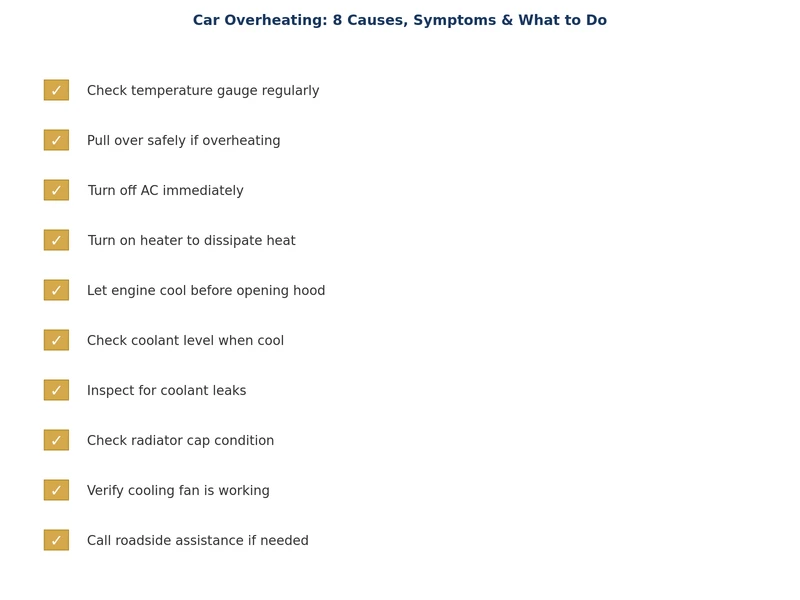
Most car overheating causes are entirely preventable with routine maintenance. Follow these habits to keep your cooling system in peak condition:
Regular inspection goes hand in hand with broader engine bay care. If you haven't cleaned under the hood recently, our guide on how to clean an engine bay safely walks you through the process without risking damage to electrical components. Keeping the engine bay clean also makes it far easier to spot new leaks before they become a crisis.
The most common causes are low coolant level, coolant leaks, a faulty thermostat, and a failed water pump. These four account for the vast majority of overheating incidents and are usually detectable before serious engine damage occurs.
No. You should pull over safely as soon as the temperature gauge enters the red zone. Driving even a short distance with an overheating engine can warp the cylinder head or crack the engine block, turning a simple repair into a multi-thousand dollar rebuild.
If your engine overheats quickly after a cold start, or if the temperature gauge rises unusually fast without other obvious causes like a leak, a stuck-closed thermostat is likely. Check out our dedicated page on bad thermostat symptoms for a full breakdown of the warning signs.
This pattern almost always points to the radiator fan. At highway speeds, airflow through the radiator is sufficient without a fan. At low speeds or when stationary, the fan must do all the work. If the fan motor or its relay has failed, heat builds up quickly in slow traffic.
You should only add coolant once the engine has completely cooled down. Fill the reservoir to the MAX line — never overfill. If you find the reservoir empty, there's likely an underlying leak that needs to be diagnosed rather than simply topped up repeatedly.
Yes. Engine oil carries a significant portion of the heat generated by the engine, particularly from components that coolant doesn't directly contact. When oil is critically low or severely degraded, the cooling system cannot compensate, and engine temperatures rise. Always keep oil topped up and changed on schedule.
 |
 |
 |
 |

About Joshua Thomas
Joshua Thomas just simply loves cars and willing to work on them whenever there's chance... sometimes for free.
He started CarCareTotal back in 2017 from the advices of total strangers who witnessed his amazing skills in car repairs here and there.
His goal with this creation is to help car owners better learn how to maintain and repair their cars; as such, the site would cover alot of areas: troubleshooting, product recommendations, tips & tricks.
Joshua received Bachelor of Science in Mechanical Engineering at San Diego State University.
Get some FREE car parts & gear.. Or check out the latest free automotive manuals and build guides here.
Disable your ad blocker to unlock all the hidden deals. Hit the button below 🚗
| | | |
