by Joshua Thomas
A stray ash or an accidental drop — cigarette burns on car seats happen fast and leave lasting damage. Whether you've inherited a used vehicle with burn marks or suffered a moment of carelessness, knowing how to fix cigarette burns in car seats can save you hundreds of dollars in reupholstering costs. The good news is that many burns — especially shallow ones — are repairable at home with the right materials and a bit of patience. This guide walks you through every step, covering fabric, leather, and vinyl seats so you can restore your interior without a trip to the shop. After completing the repair, you may also want to read our guide on how to get cigarette smell out of your car to finish the job properly.
Contents
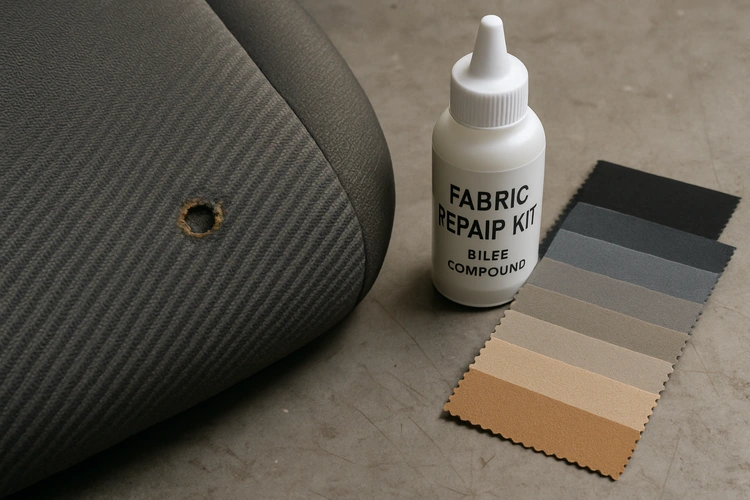
Before you grab a repair kit, it pays to understand what you're dealing with. Cigarette burns vary significantly in severity, and choosing the wrong repair approach can make the damage worse or more visible.
Burns fall into three general categories. A surface scorch only darkens the top fibers without melting through — these are the easiest to fix. A shallow burn melts or chars the top layer of fabric or the surface coat of leather, leaving a small crater. A deep burn penetrates through multiple layers, sometimes reaching foam padding beneath. Deep burns require more extensive repair and may need professional attention for invisible results.
According to the National Fire Protection Association, smoking-related vehicle fires remain a notable hazard — a reminder that burns should be addressed promptly, not just for aesthetics but for safety.
Your repair method depends entirely on what your seats are made of. Run your hand across the surface — leather feels smooth and slightly cool, with a faint grain pattern. Fabric seats (cloth or microfiber) feel soft and textile-like. Vinyl looks similar to leather but feels slightly stiffer and typically has a uniform embossed texture. Check your owner's manual or the seat tag if you're unsure. For vinyl seat care beyond burns, see our full guide on how to clean vinyl car seats.
Gathering the right supplies before you start makes the process smoother and prevents mid-repair trips to the store.
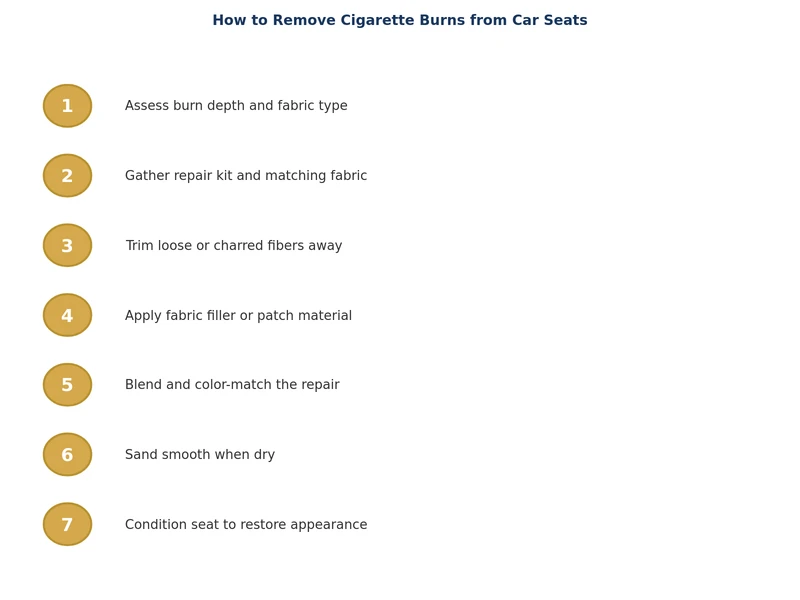
Fabric is the most forgiving material to repair because you can blend in donor fibers that match the existing weave. The goal is to fill the burned area so cleanly that the repair blends into the surrounding material.
The same patient, layer-by-layer approach works well for other upholstery stains too — for reference, see how similar care is applied in our guide on how to get ink out of car upholstery.
Leather and vinyl burns require a different strategy — you fill, color-match, and texture the repaired area so it mimics the original surface. Knowing how to fix cigarette burns in car seats made of leather takes a bit more time but delivers excellent results when done carefully.
| Seat Material | Best Repair Method | Avg. DIY Cost | Difficulty | Invisible Result? |
|---|---|---|---|---|
| Fabric / Cloth | Donor fiber fill + adhesive | $5–$15 | Moderate | Yes (shallow burns) |
| Leather | Filler compound + colorant + grain paper | $20–$50 | Moderate–High | Yes (with patience) |
| Vinyl | Vinyl repair kit (same as leather method) | $15–$35 | Moderate | Mostly yes |
| Microfiber / Suede | Donor fiber fill or patch | $10–$25 | High | Partial — depends on size |
| Any (deep burn) | Professional reupholstery | $150–$400+ | Professional | Yes |
The best repair is the one you never need to make. Once your seats are restored, a few simple habits will protect your investment.
Designating your vehicle a no-smoking zone is the single most effective prevention. If passengers insist, encourage smoking outside the vehicle with the doors open rather than through a cracked window, which still allows ash and embers to fall inside.
High-quality seat covers protect the original upholstery from burns, spills, and wear. They're especially useful for work vehicles or families with young children. Look for covers specifically rated for your seat type to ensure they don't interfere with side-curtain airbags.
Leather and vinyl become more susceptible to cracking and damage when they're dry or UV-degraded — a conditioned, protected surface is more resilient. Our guide on how to protect your car interior from UV damage covers this in full detail and pairs well with your repair work.
Keeping seats clean and conditioned preserves material flexibility and makes minor surface damage easier to spot and address early, before small scorches become deep burns.
Shallow and surface-level burns can be repaired so well that the damage becomes virtually invisible. Deep burns that reach the foam padding are harder to hide completely through DIY methods and may require professional reupholstery for a perfect result.
For fabric seats, a fabric repair adhesive combined with donor fibers works best. For leather and vinyl, a complete leather repair kit — one that includes filler compound, color-matching dye, and grain texture paper — gives the most professional finish.
Most leather repair kits include several base colorants that you mix to match your seat. Test your blend on a hidden area first. Start lighter than you think you need — you can always add more color, but you can't remove it once applied.
Super glue (cyanoacrylate) is not recommended for fabric burns — it dries hard and stiff, creating a noticeable lump and preventing fibers from blending. For leather and vinyl, only use products specifically formulated for flexible material repair so the fix moves with the seat over time.
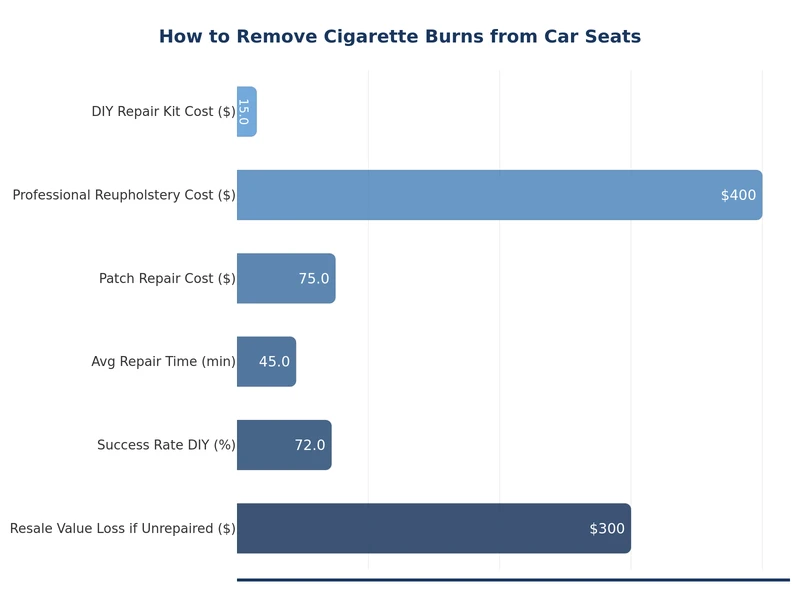
Professional upholstery repair for a single cigarette burn typically ranges from $50 to $150 depending on the material and burn severity. Full seat reupholstery can cost $150 to $400 or more per seat. DIY repair kits run $15 to $50 and can handle multiple repairs.
Standard auto insurance policies generally do not cover cosmetic interior damage like cigarette burns unless you have a specific interior protection rider. Some extended warranties or vehicle service contracts include interior damage coverage — check your policy documents or contact your insurer directly.
 |
 |
 |
 |

About Joshua Thomas
Joshua Thomas just simply loves cars and willing to work on them whenever there's chance... sometimes for free.
He started CarCareTotal back in 2017 from the advices of total strangers who witnessed his amazing skills in car repairs here and there.
His goal with this creation is to help car owners better learn how to maintain and repair their cars; as such, the site would cover alot of areas: troubleshooting, product recommendations, tips & tricks.
Joshua received Bachelor of Science in Mechanical Engineering at San Diego State University.


Get some FREE car parts & gear.. Or check out the latest free automotive manuals and build guides here.
Disable your ad blocker to unlock all the hidden deals. Hit the button below 🚗
| | | |
