by Diego Ramirez
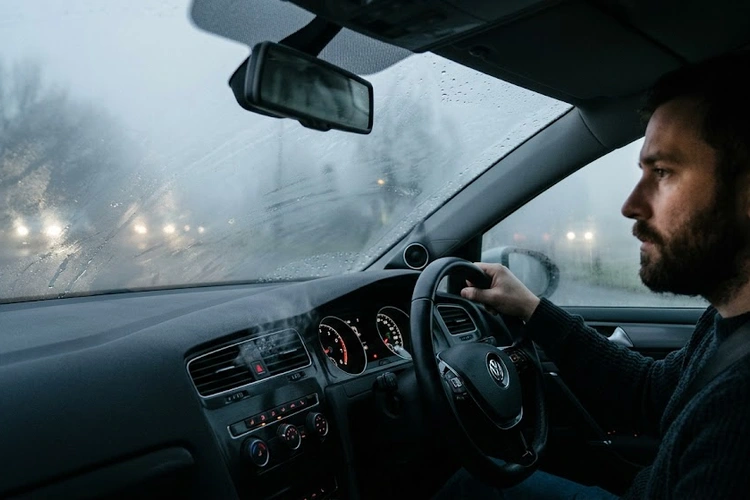
You hop in the car on a cold morning, crank the heat, and within thirty seconds your windshield turns into a frosted shower door. You're wiping circles with your sleeve while traffic starts moving. That specific kind of frustration is completely avoidable.
Knowing how to stop car windows from fogging up inside is one of those skills that pays off every single day through fall and winter. Fog forms when warm, moist cabin air hits glass cooler than the air's dew point — basic physics that works against you every cold morning. The fix depends on which side of the equation you attack: reducing cabin humidity, raising glass temperature, or — best case — both at once. Get the approach right and your windows stay clear from the moment you start the engine.
Contents
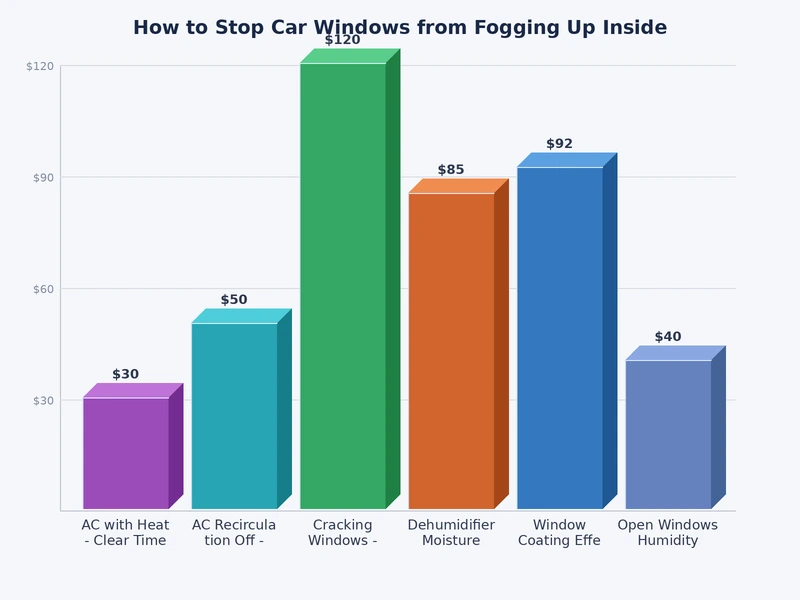
Before you reach for any button or product, understand what's actually in your toolkit. The tools you use — and the order you use them — determine how fast you clear fog and whether it comes back ten minutes later.
Your car's HVAC system is the most powerful defogging tool you own. Most drivers use it wrong, which is why they spend three times longer clearing windows than they need to. Here's the correct sequence:
The AC compressor is the real workhorse here. Heat alone warms the glass but doesn't dry the air. AC alone dehumidifies but doesn't raise glass temperature. Together, they clear fog in under 90 seconds. If your front windshield defroster isn't working at full effectiveness, diagnose the HVAC system before assuming fog is purely a weather problem — a failing blend door or clogged heater core dramatically reduces defogging speed.
Anti-fog treatments change how water molecules interact with glass. Instead of forming an opaque film, moisture either sheets off or stays thin enough to be transparent. The main product categories:
For most drivers, a quality spray applied every three to four weeks is the right call. It takes five minutes and costs a few dollars per application. Anti-fog film makes sense if you park in consistently high-humidity environments and want a hands-off solution.
Silica gel packets, desiccant tubs, and dedicated 12V car dehumidifiers address the root cause directly — excess cabin humidity. They don't clear existing fog, but they prevent it from building up overnight and in parked vehicles.
Rechargeable desiccant tubs like Pingi or Unibond are the best value long-term. Place one on the dashboard and one on the rear parcel shelf. When they're saturated, heat them in the oven per the manufacturer's instructions to restore full absorption capacity. Zero ongoing cost after the initial purchase. Replace every one to two years as the desiccant material degrades permanently over time.
Not all fog-fighting strategies operate the same way. Some work instantly. Others take hours or days to show results. Knowing the difference lets you pick the right tool for the situation instead of wondering why nothing works.
Active methods require you to do something each drive. They deliver immediate results:
Passive methods work in the background without you actively managing anything during the drive:
| Method | Clearing Speed | Duration | Approx. Cost | Best Use Case |
|---|---|---|---|---|
| HVAC + AC defroster sequence | 30–90 seconds | While engine running | Free | Immediate fog clearing |
| Cracking a window | 1–2 minutes | While open | Free | Quick humidity equalization |
| Anti-fog spray | Preventive only | 3–6 weeks | $8–$15 | Regular fog prevention |
| Anti-fog adhesive film | Preventive only | 1–2 years | $20–$60 | Long-term passive solution |
| Desiccant tub | Gradual (hours) | 4–8 weeks per charge | $10–$25 | Overnight humidity control |
| Nano-coating (professional) | Preventive only | 6–18 months | $40–$120 | Best long-term glass treatment |
| Portable 12V dehumidifier | Gradual (hours) | Continuous while plugged in | $15–$40 | Parked vehicles, overnight use |
The drivers who never deal with foggy windows combine these approaches. Use the HVAC sequence for instant clearing, anti-fog spray for ongoing prevention, and a desiccant for passive overnight control. Layering them gets you to zero-fog driving reliably, even on the worst wet winter mornings.
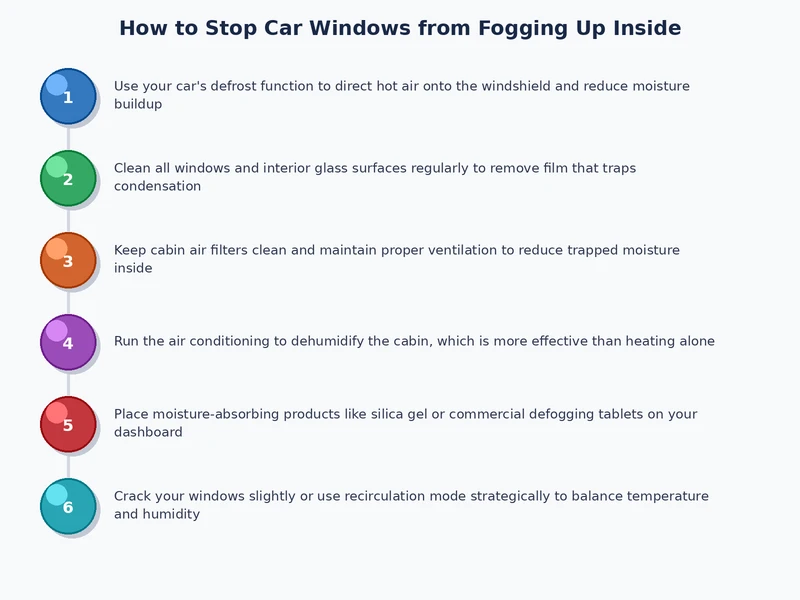
Fixing fog reactively every morning is exhausting. Prevention is far better — and it costs almost nothing once you build the right habits. The drivers who never deal with chronic fogging have two things in common: they keep their glass clean and they control cabin moisture sources.
Interior glass builds up a hydrocarbon film from cabin off-gassing. Plastics, vinyl, adhesives, and cleaning products all slowly volatilize and deposit on your windshield's inner surface. That film is hydrophilic — it actively attracts and holds moisture. A freshly cleaned windshield can take five to ten times longer to fog than a dirty one under identical temperature and humidity conditions.
The cleaning protocol is simple but specific:
Exterior glass hygiene matters here too. A properly maintained exterior reduces outside condensation that compounds interior fogging. The full glass cleaning workflow is part of a solid car washing routine — the guide on how to wash a car properly covers the exterior glass steps that complement interior maintenance.
You introduce moisture into the cabin with every entry. Wet shoes, damp jackets, soaked umbrellas, open drink containers — all of it evaporates and raises cabin humidity steadily. Control the sources and you reduce the load on your HVAC system significantly:
If your AC is running but not dehumidifying the way it should, there's usually a secondary system issue involved. When a car AC blows hot on one side, the refrigerant charge or blend door actuator is often to blame — both failures compromise dehumidification performance, not just cooling. A partially undercharged AC system can still cool moderately well but loses most of its moisture-removal effectiveness.
The biggest source of fog confusion is not knowing which HVAC setting matches which weather condition. The setup that clears fog fast in January is different from what you need in August. Get this wrong and you'll make the problem worse while thinking you're fixing it.
Cold, humid conditions cause the majority of interior fogging cases. In these conditions, your goal is to simultaneously raise glass temperature and lower cabin air humidity. Here's the exact sequence:
The heat pushes glass temperature above the local dew point. The AC dehumidifies the incoming fresh air before it reaches the warm, now-vulnerable glass. Running heat alone takes five to ten minutes and leaves residual humidity that causes fog to return every time you brake hard, slow to a stop, or the outside temperature drops another degree. The combined method works in under two minutes and keeps working.
In summer, interior fogging is less common — but exterior condensation on the windshield is a real issue. When your AC-chilled interior glass drops below the exterior air's dew point, moisture from outside condenses on the outer surface. This is the opposite problem from winter fogging, and the solutions are different:
If you're running AC and the engine temperature gauge is climbing, that's a separate problem that needs immediate attention. A car that overheats with AC on typically has a coolant issue, a failing radiator fan, or a clogged condenser — fix the cooling system before worrying about window fog, because the consequences of ignoring overheating are far more serious.
Most chronic fogging problems are self-inflicted. The habits drivers develop over years of daily commuting are often the exact reason their windows won't stay clear. Identify these patterns in your own routine and eliminate them — the improvement is immediate.
Recirculation mode is useful for exactly one scenario: keeping exhaust fumes and external pollution out of the cabin when you're sitting in heavy traffic. That's it. In every other situation, it actively generates the fog problem you're trying to solve.
When you recirculate cabin air, you're cycling the same moisture-laden air over and over — the air your passengers exhale, the humidity rising off wet floor mats, the evaporation from damp clothing. Cabin humidity climbs steadily and invisibly. The moment outside temperature drops, or you decelerate into a shaded tunnel, or the sun goes behind a cloud, every window in the car fogs simultaneously.
Build one reflex: every time you press the defrost button, simultaneously press the fresh air button. Never run defrost in recirculation mode.
This is the most underestimated cause of recurring interior fog. Interior glass builds a hydrocarbon film from off-gassing at a rate most drivers don't notice until a foggy morning makes it obvious. That film changes the surface energy of the glass — moisture droplets spread and scatter light instead of staying transparent.
A freshly cleaned windshield can tolerate significantly higher humidity before fogging than a dirty one. Two minutes with an alcohol-based cleaner and a microfiber cloth, done every few weeks, eliminates this variable entirely. Most drivers clean their exterior glass regularly and forget about the interior completely. Invert that priority — the interior surface matters more for fog prevention.
If your defroster takes more than three minutes to clear the windshield under normal winter conditions, something in the HVAC system is underperforming. Drivers accept this as "just how cold mornings are" when it's actually a diagnosable problem with a fix:
None of these issues resolve themselves. If your car fogs chronically despite doing everything right, the problem is inside the HVAC system, not your technique. Start with the cabin air filter — it's the cheapest, fastest fix and is almost universally overdue on vehicles that haven't had regular maintenance.
Interior window fog forms when warm, moist cabin air contacts glass cooler than the air's dew point. The most common causes are recirculation mode trapping humid air, wet clothing or floor mats raising cabin moisture levels, dirty interior glass that attracts and holds water, and an HVAC system that's underperforming due to a clogged cabin air filter or low refrigerant charge.
Yes — it's one of the most effective tools available. The AC compressor extracts moisture from incoming air before it reaches the glass surface. Running heat alone warms the glass eventually but doesn't lower cabin humidity, so fog returns repeatedly. Heat plus AC simultaneously clears windows faster and keeps them clear far longer.
Set heater to maximum, turn on AC, switch to fresh air mode (not recirculation), direct all vents at the windshield, and run the fan at maximum speed. This combination typically clears heavy windshield fog in 30–90 seconds. Cracking a rear window slightly speeds the process by introducing drier outside air faster.
Rain raises exterior humidity to near 100%, and wet passengers bring large amounts of moisture inside on clothing, shoes, and umbrellas. Cabin humidity spikes within minutes. If recirculation mode is active or the cabin air filter is clogged, the HVAC system can't process incoming moisture fast enough to keep up. Switch to fresh air mode and run AC as soon as you enter the car.
Yes, when applied to clean glass. Products like Rain-X Anti-Fog alter the surface energy of the glass so moisture sheets off or stays in a transparent film rather than scattering light. Apply every three to six weeks for consistent protection. If you apply over a dirty, oily glass surface, the coating bonds to the film instead of the glass and effectiveness drops dramatically — always clean thoroughly first.
Exterior condensation happens when your AC-chilled glass drops below the outdoor air's dew point. Moisture from the warm, humid outside air deposits on the cool outer glass surface. This is the opposite of interior fog and can't be solved from inside. Use front wipers and washer fluid to clear it, and moderate your AC intensity slightly to reduce the temperature differential that triggers it.
Yes, and it's one of the most overlooked causes. A clogged cabin air filter cuts airflow through the HVAC system by 30–50%, significantly slowing the rate at which the system can dehumidify cabin air and heat the glass. If your defroster used to clear windows faster, or if you notice reduced airflow from the vents, replace the cabin air filter first — it's typically a 10-minute, $15–$25 fix.
Absolutely, particularly if you park in a garage, live in a high-humidity climate, or frequently carry wet gear. Rechargeable desiccant tubs absorb ambient moisture continuously, reducing baseline cabin humidity so the HVAC system has far less work to do each morning. Recharge them in the oven every four to six weeks to restore absorption capacity. They work best as part of a layered approach alongside clean glass and proper HVAC technique.
Clean glass, dry cabin air, and the right HVAC sequence — master those three things and foggy windows stop being your problem every single morning.
 |
 |
 |
 |

About Diego Ramirez
Diego Ramirez is a maintenance and care specialist who has been wrenching on cars since he was sixteen. He focuses on fluid changes, preventive care routines, paint protection, and the small habits that turn a five-year-old car into a fifteen-year-old car.
Get some FREE car parts & gear.. Or check out the latest free automotive manuals and build guides here.
Disable your ad blocker to unlock all the hidden deals. Hit the button below 🚗
| | | |
