by Sarah Whitfield
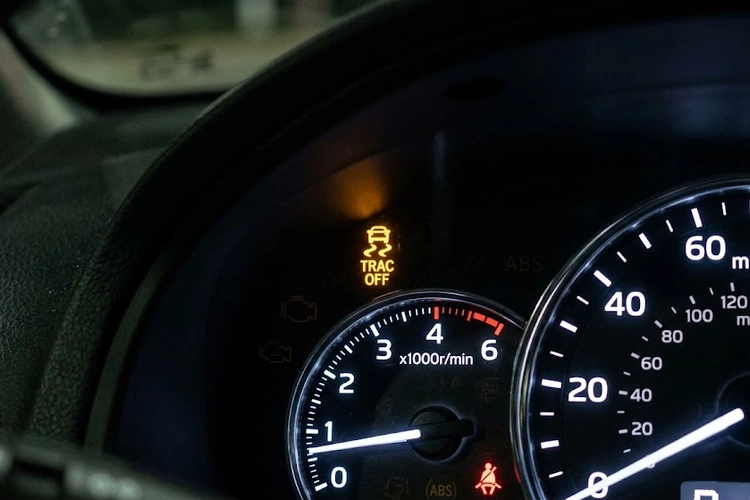
Have you ever glanced at your dashboard while merging onto a wet highway and found the traction control light on, steady and unblinking? That light means the system designed to keep your wheels planted under acceleration has detected a fault and taken itself offline — and the difference between a momentary flash and a light that stays on is the difference between normal operation and a component-level problem that demands diagnosis.
Traction control systems work by monitoring wheel speed sensor outputs across all four corners, then modulating engine torque or applying individual brakes to eliminate unwanted spin. When the ECU detects an inconsistency it cannot reconcile — a missing signal, a circuit fault, a mismatch it didn't generate — it pulls TCS offline and flags the driver. Eight distinct causes account for the vast majority of persistent TCS faults. Identifying the right one early prevents an annoying dashboard indicator from becoming a dangerous handling deficit the next time the road turns slippery.
Contents
Every corner of your vehicle has a wheel speed sensor (WSS) reading a toothed reluctor ring dozens of times per second. Road grit, brake dust, and physical impact degrade these sensors over time — and when a sensor begins delivering erratic or absent pulses to the ABS/TCS control module, the module interprets the discrepancy as an unresolvable fault and disables TCS entirely. Wheel speed sensor failure is the single most common cause of a persistent traction control light on, and a scan tool with chassis code coverage will flag the specific corner almost immediately. C0035 points to the left-front; C0045 to the left-rear. Don't replace anything yet — just know which corner is faulting before you touch a fastener.
On most production vehicles, the ABS and TCS share a single control unit — the HECU (Hydraulic Electronic Control Unit) or ABS control module. An internal hardware failure, corroded circuit board trace, or relay failure inside that module takes both systems offline simultaneously. The telltale presentation is both the ABS and TCS warning lights illuminating together, often with no sensor-specific code attached — instead you'll see module communication faults or internal hardware DTCs that point squarely at the unit itself. No amount of sensor replacement addresses this. The module is rebuilt or replaced, and the system is bled, initialized, and coded to the VIN before either light goes out.
The steering angle sensor (SAS) tells the stability control system which direction you intend to travel, allowing it to distinguish a deliberate corner from a genuine slide. A miscalibrated or failed SAS causes the system to misinterpret normal driving inputs as instability — flagging a fault and pulling TCS offline. This sensor is routinely disturbed by alignment work, steering rack replacement, or even a battery disconnect followed by a full lock-to-lock steering sweep. Miss the recalibration step after any steering or suspension service, and the traction control light comes on within the first ignition cycle after the job.
Traction control modulates engine output to kill wheel spin, which means it depends entirely on accurate throttle position data from the TPS. A failing throttle position sensor sending erratic voltage readings causes the ECU to lose confidence in its torque management calculations and flag a TCS fault. You'll typically see this paired with rough idle, hesitation during tip-in, or a P0121/P0122 powertrain code running alongside the TCS light — giving you two separate diagnostic threads to pull at once, which actually accelerates the diagnosis rather than complicating it.
The harness routing wheel speed sensor signals runs along the suspension — a high-heat, high-vibration environment subject to constant flex. Chafed insulation where the harness contacts a brake line, corroded connector pins from sustained road spray exposure, and broken conductors at tight bend points are frequent failure modes, particularly on vehicles past the 100,000-mile mark. Wiring faults are intermittent by nature, which makes them the most labor-intensive cause to diagnose. The code leads you to the corner; the multimeter and a careful visual inspection lead you to the specific break in the circuit.
TCS and the brake system share hydraulic actuators through the HECU, so any fault serious enough to affect brake pressure delivery can also disable traction control. Low brake fluid, a failed brake pressure sensor, or a seized brake caliper creating uneven braking force across an axle — all of these register as TCS faults at the module level. If your brake warning light is also illuminated alongside the TCS indicator, treat the brake fault as the absolute priority. A hydraulic brake fault always outranks a TCS fault on the urgency scale, and resolving the brake issue frequently clears the TCS light without any additional intervention.
Mismatched tire sizes, severely uneven tread wear, or significantly different inflation pressures across axles create genuine rotational speed differentials that the TCS module reads as wheel spin. The system isn't malfunctioning — it's responding to a real inconsistency in the data. If you've recently installed a temporary spare of a different diameter, rotated tires without re-inflating to specification, or noticed severe wear on one corner, start with the tires before chasing any electrical faults. A concurrent tire pressure sensor fault appearing alongside the TCS light is a strong indicator that inflation — not electronics — is driving the problem.
On late-model vehicles with integrated powertrain and chassis control architecture, the PCM directly oversees TCS logic. Corrupted firmware, incomplete software updates interrupted mid-flash, or internal PCM hardware failures produce phantom TCS codes with no corresponding physical sensor fault. This is the rarest cause on this list, and it's the conclusion you reach only after systematically ruling out every other possibility. Pursuing PCM diagnosis with a parts-swapping strategy — swapping sensors, testing harnesses, replacing the ABS module — without arriving here through process of elimination is how diagnostic costs spiral well past what the repair requires.
The diagnostic process starts at the OBD-II port, and your tool choice matters significantly. A basic reader limited to powertrain codes completely misses the C-codes generated by the ABS/TCS module. You need a scanner with ABS and chassis coverage — mid-range units from Autel, Launch, or Innova cover this territory adequately without requiring dealer-level investment. Connect, pull every active and pending code, write them all down, then clear the codes and drive a short loop that includes speeds above 25 mph and a moderate brake application. Any code that returns immediately is a current fault; anything that clears and stays clear was likely set by a genuine transient slip event, not a hardware failure.
Cross-reference the returned code to the specific corner or system component. A WSS fault at a specific corner that presents alongside a non-functioning speedometer is a particularly useful clue — your speedometer reads from the same wheel speed data loop as your TCS module, and both failing in tandem points directly to a shared sensor or reluctor ring failure rather than an isolated module issue. That correlation cuts diagnosis time dramatically.
With your codes directing you to a corner, go there physically. Spin the hub by hand and inspect the reluctor ring for cracked or missing teeth, heavy rust that bridges the tooth gaps, or physical deformation from road debris impact. Disconnect the WSS connector and examine it for moisture intrusion, green oxidation on the pins, or heat-damaged insulation. Measure sensor resistance across the two signal terminals with a multimeter — passive magnetic sensors typically read 800–2,000 ohms; deviation outside that range confirms sensor failure. Active Hall-effect sensors require a powered test with an oscilloscope or the dedicated sensor test function on a capable scan tool.
While you're underneath, trace the sensor harness back to its chassis clip points. A worn shock absorber allows excessive wheel travel that stretches or abrades the WSS harness at its flex points — finding a deteriorated absorber alongside a wiring fault explains both problems simultaneously. Address the harness fault first, then schedule the absorber on its own service visit.
Wheel speed sensor replacement is a realistic DIY job on the vast majority of vehicles. The sensor bolts to the steering knuckle with one or two fasteners and disconnects from a single harness plug. Budget thirty to forty-five minutes per corner, soak seized fasteners in penetrating oil overnight, and use a thread chaser on the bore before installing the new sensor to prevent cross-threading. Cleaning a rust-packed reluctor ring with brake cleaner and a stiff wire brush costs nothing. Repairing a chafed harness section using proper heat-shrink butt connectors — not electrical tape — is also solidly within DIY scope if you have basic soldering capability.
ABS module replacement requires VIN coding, hydraulic bleeding, and initialization through manufacturer-level scan software — capabilities that fall well outside the typical home garage setup. Steering angle sensor calibration follows the same pattern: you can physically install the part, but calibrating it to the chassis requires a scan tool with chassis relearn functionality that most DIYers don't own. PCM diagnosis and reprogramming belong at a dealer or an independent shop running equivalent proprietary tooling. Attempting to chase U-code communication faults or internal module faults by swapping parts blindly is precisely how a $200 repair becomes a $900 misadventure with nothing to show for the extra spending.
Resetting the fault codes without repairing the underlying fault is the most common error in TCS diagnosis — and it's almost universal among vehicle owners who encounter the traction control light on for the first time. The light clears, the car drives normally for a few days, and then the light returns, sometimes alongside new secondary codes generated by the continued fault. Code clearing is a diagnostic tool used to confirm a repair and establish a baseline. It is not a repair. Use it correctly — clear after fixing, not instead of fixing.
A C0035 code — left-front wheel speed sensor — could indicate a failed sensor, a cracked reluctor ring with a missing tooth, a severed wire two inches from the connector, or a corroded pin inside the plug housing. Buy a sensor based solely on that code without testing the circuit, and you may find yourself with a new sensor, the original code, and no closer to resolution. Measure resistance, verify signal output with the wheel rotating, inspect the reluctor ring for physical damage, and only then purchase parts.
Always test the circuit before replacing the component — a fault code is a starting address, not a diagnosis.
The same principle applies when multiple warning lights appear simultaneously. A lit oil pressure warning appearing alongside TCS codes requires you to separate and identify each fault independently — the two systems share no hardware, but both demand attention, and treating them as a single problem when they're actually two separate faults leads to incomplete repairs on both fronts.
Some ABS/TCS faults don't resolve with a code clear and a power cycle alone. Many platforms require a specific post-repair drive cycle — a defined sequence of speed thresholds, brake applications, and turning maneuvers that allow the module to validate each sensor independently before clearing the fault internally. If you don't complete that sequence after a WSS replacement, the module may hold the light on even with a new, fully functional sensor installed. Consult the service information for your specific platform before assuming the repair failed. The required drive cycle varies significantly between manufacturers, and skipping it sends you back to the shop unnecessarily.
If you've completed the repair, run the drive cycle, and the light persists, shift to live data streaming rather than static code reads. Watch the WSS data from all four corners simultaneously during a slow forward roll. Any corner showing zero or erratic RPM while the remaining three read cleanly is still faulting — either the replacement sensor was defective out of the box, the reluctor ring wasn't fully addressed, or there's a wiring fault between the sensor and the module that wasn't caught during the initial inspection. Live data streaming isolates that immediately.
| Cause | Severity | DIY Fixable | Typical Cost | First Diagnostic Step |
|---|---|---|---|---|
| Wheel Speed Sensor Failure | Moderate | Yes | $80–$180/corner | Read chassis codes; test sensor resistance |
| ABS Module Fault | High | No | $350–$900 | Check for module DTCs; look for ABS + TCS lights together |
| Steering Angle Sensor | Moderate | Partial | $150–$400 | Check for recent alignment or steering work; recalibrate |
| Throttle Position Sensor | Moderate | Yes | $80–$200 | Look for P012x powertrain codes alongside TCS fault |
| Damaged Wiring or Harness | Moderate | Partial | $100–$300 | Inspect harness at flex and rub points; check connector pins |
| Brake System Fault | High | Partial | $50–$600+ | Check fluid level; look for brake warning light alongside TCS |
| Tire Condition or Pressure | Low–Moderate | Yes | $0–$50 | Inflate to door placard spec; check for size mismatch or severe wear |
| PCM or Software Fault | High | No | $500–$1,500+ | Rule out all other causes first; pursue dealer-level diagnostics |
Driving short distances on dry roads with the traction control light on is generally safe — steering, braking, and powertrain function normally. However, TCS is disabled, meaning you've lost the electronic safety net that prevents wheel spin during acceleration. Avoid wet, snowy, or icy roads with the light on, and resolve the fault before your next trip in poor weather conditions.
Yes — wheel speed sensor failure is the most common cause of a persistent traction control light on. The ABS/TCS module depends on consistent, accurate signals from all four corners simultaneously. A sensor delivering erratic or missing pulses immediately causes the module to log a fault and disable traction control. A scan tool with chassis code coverage identifies the specific faulting corner within seconds of connection.
A brief flash of the TCS light during wet or snowy acceleration is normal — it means the system is actively intervening to eliminate wheel spin, exactly as designed. A light that stays on continuously during normal dry-road driving indicates a stored hardware or circuit fault, not an active intervention event. The two behaviors look nearly identical on the dashboard but have completely different meanings and require completely different responses.
Yes. A significantly underinflated tire has a smaller effective rolling circumference than a properly inflated one, generating a genuine rotational speed differential that the TCS module reads as wheel spin. If you have a concurrent tire pressure warning, inflate all four tires to the door placard specification first and drive a short loop — the TCS light frequently clears on its own once the speed sensor data normalizes across all corners.
Use an OBD-II scanner with ABS and chassis code capability to clear the stored fault codes. Basic powertrain-only readers cannot access the TCS module and will leave the light untouched. After clearing, drive a complete cycle including highway speed and a moderate braking event. If the light returns, the underlying fault is still present — clearing without repairing buys a few days at best before the light comes straight back on.
The traction control light alone does not affect braking performance — TCS governs wheel spin during acceleration, not deceleration. However, because TCS and ABS share a control module and hydraulic actuators, a fault severe enough to disable TCS can simultaneously compromise ABS function. If your ABS warning light illuminates alongside the TCS indicator, your antilock braking is also offline, which significantly affects stopping distances on wet or loose surfaces.
Cost depends entirely on the root cause. Wheel speed sensor replacement runs $80–$180 per corner in parts, and it's a straightforward DIY job on most platforms. Wiring repairs range from $100–$300 depending on harness access and damage extent. ABS module replacement or remanufacture costs $350–$900 at an independent shop. PCM faults and reprogramming can exceed $1,500 at a dealer. A proper diagnosis before purchasing any parts is the single most cost-effective step you can take.
The traction control light is your vehicle telling you the safety net is gone — diagnose before you replace, and you'll have it back online before the next slick road finds you unprepared.
 |
 |
 |
 |

About Sarah Whitfield
Sarah Whitfield is a diagnostics and troubleshooting specialist who spent ten years as an ASE-certified technician before joining the editorial team. She specializes in OBD-II analysis, electrical gremlins, and the kind of intermittent problems that make most owners give up.
Get some FREE car parts & gear.. Or check out the latest free automotive manuals and build guides here.
Disable your ad blocker to unlock all the hidden deals. Hit the button below 🚗
| | | |
