by Joshua Thomas
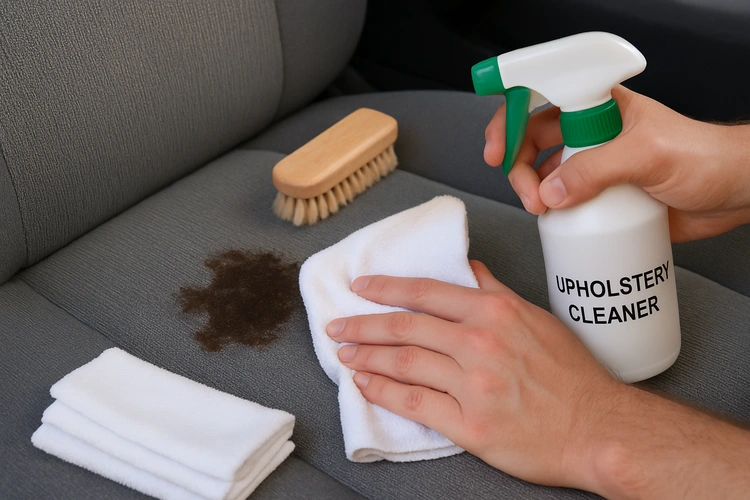
Grease stains are among the most stubborn messes you can deal with inside a vehicle. Whether it's motor oil from a roadside repair, fast-food grease, or bike chain residue tracked in on your clothes, knowing how to get grease out of car upholstery quickly can mean the difference between a clean interior and a permanent stain. The key is acting fast and using the right products for your specific upholstery type. This guide walks you through every step for both fabric and leather seats, using supplies you likely already have at home. For a broader interior refresh, you may also want to check out our guide on how to deodorize your car interior completely once the stain is gone.
Contents
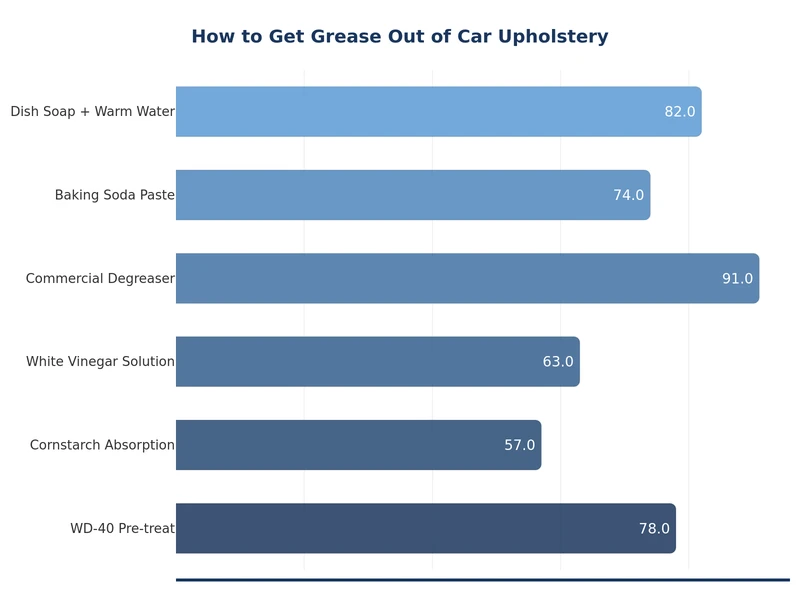
Grease is a lipid-based substance that repels water. Standard carpet cleaners and damp cloths push water into the fabric but cannot lift an oil-based stain — they often spread it instead. Upholstery fibers absorb grease quickly, and once it dries, the molecules bond tightly to the fabric. That is why blotting immediately and using a degreasing agent is essential before the stain sets.
Heat makes things worse. Never use a steam cleaner or hot water on a fresh grease stain — it drives the oil deeper into the fibers and can permanently set the mark.
Before you start, gather your supplies. Having everything ready means you won't lose time searching while the stain spreads.
Fabric seats and carpeted surfaces are porous and absorb oil fast. Speed matters most here. The same approach applies to cloth headliners, door panels, and carpet floor mats.
Dried grease requires a pre-treatment step to loosen the bond before cleaning.
Leather requires a gentler approach. Harsh solvents, vinegar, and dish soap in high concentrations can strip the protective coating and dry out the hide. After cleaning, always condition the leather to restore its suppleness.
Any cleaning strips some of the leather's natural oils. Once the grease is gone and the seat is dry, apply a quality conditioner. Our guide on how to condition and protect leather car seats explains which products to choose and how often to apply them.
Not every method suits every situation. Use this table to choose the right approach for your upholstery type and stain age.
| Method | Best For | Upholstery Type | Effectiveness | Risk Level |
|---|---|---|---|---|
| Baking soda + dish soap | Fresh stains | Fabric | High | Low |
| Cornstarch + rubbing alcohol | Fresh stains | Leather | High | Low–Medium |
| WD-40 pre-treatment | Dried/set stains | Fabric only | Medium–High | Medium |
| Enzyme cleaner | Stubborn or old stains | Fabric | High | Low |
| Commercial upholstery cleaner | All stain types | Fabric & leather | Very High | Low (if formula-matched) |
| Dish soap alone | Light fresh stains | Fabric | Medium | Low |
| Steam cleaner | General cleaning only | Fabric (after grease removed) | Low (for grease) | High if used too early |
The easiest grease stain to deal with is one that never happens. A few simple habits protect your upholstery long-term.
If you work on your car regularly — oil changes, brake jobs, detailing — keep a cheap waterproof seat cover in the trunk. Put it down before you sit after any under-hood work. It takes five seconds and prevents the most common source of automotive grease on upholstery.
Store a small zip-lock bag with a few microfiber cloths, a travel-size cornstarch container, and a mini bottle of dish soap. Treating a stain in the first two minutes is far more effective than waiting until you get home.
Products like Scotchgard create a barrier on fabric seats that slows oil absorption and gives you more time to blot before a stain sets. Reapply every six months or after any deep cleaning.
Fast food is the second most common source of grease stains in car interiors. Greasy bags, burger wrappers, and french fry containers drip oil onto seats. If you must eat in the car, use a tray or lap tray and keep napkins handy.
Yes. Dish soap is formulated specifically to cut through oil and grease, making it one of the most effective household options for fabric upholstery. Use a diluted solution — one teaspoon per cup of cold water — and blot rather than rub to avoid spreading the stain or damaging fibers.
WD-40 can help loosen dried or set grease stains on fabric upholstery by re-liquefying the oil so it can be blotted away. However, it leaves its own oil residue, so you must follow up immediately with a baking soda treatment and dish soap solution. Do not use WD-40 on leather seats.
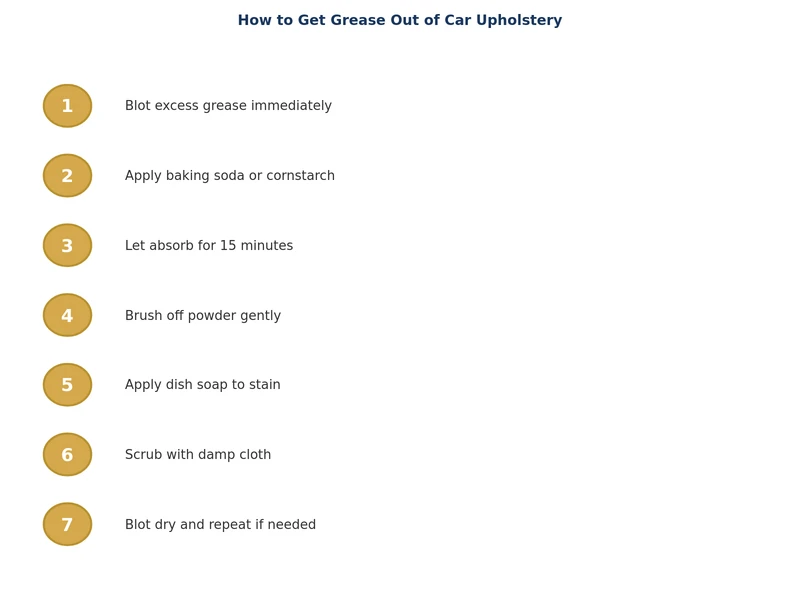
Blot up excess grease immediately, then cover the stain with cornstarch and leave it for one to two hours. Remove the powder, then gently dab with rubbing alcohol on a cotton ball. Wipe clean with a damp cloth, let dry completely, and apply a leather conditioner to restore moisture.
Dried grease requires a pre-treatment step. Apply a small amount of rubbing alcohol or WD-40 (fabric only) to re-activate the oil, then blot and follow with a baking soda and dish soap treatment. Enzyme-based stain removers are especially effective on old stains because they break down the organic compounds in grease.
Baking soda absorbs fresh grease effectively when applied immediately. It works by drawing oil out of the fabric fibers before it fully sets. For best results, apply a generous layer, let it sit for 15–20 minutes, then vacuum it up before following with a dish soap solution to remove any remaining residue.
The most important step is acting within the first few minutes — blot the stain immediately rather than letting it sit. Applying a fabric protector like Scotchgard to cloth seats creates a barrier that slows absorption. Keeping a small cleaning kit in your glove box ensures you can treat stains on the spot before they have time to set.
 |
 |
 |
 |

About Joshua Thomas
Joshua Thomas just simply loves cars and willing to work on them whenever there's chance... sometimes for free.
He started CarCareTotal back in 2017 from the advices of total strangers who witnessed his amazing skills in car repairs here and there.
His goal with this creation is to help car owners better learn how to maintain and repair their cars; as such, the site would cover alot of areas: troubleshooting, product recommendations, tips & tricks.
Joshua received Bachelor of Science in Mechanical Engineering at San Diego State University.


Get some FREE car parts & gear.. Or check out the latest free automotive manuals and build guides here.
Disable your ad blocker to unlock all the hidden deals. Hit the button below 🚗
| | | |
