by Diego Ramirez
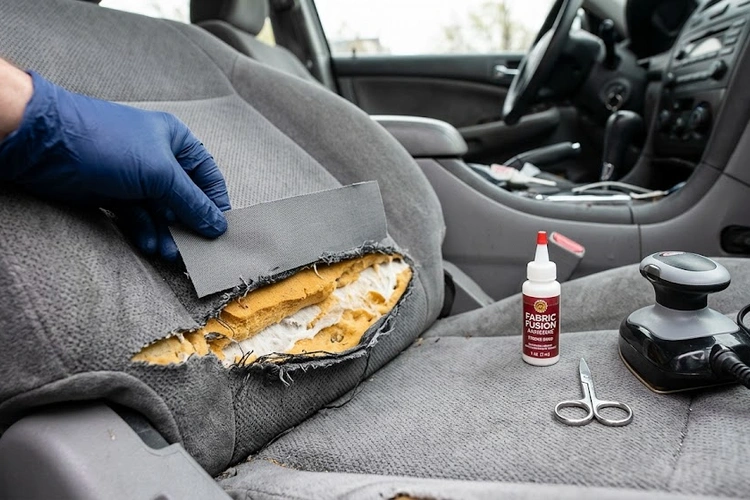
Torn car seat upholstery is fixable — and in most cases, repairing it at home costs a fraction of what a professional upholstery shop charges. Whether the damage is a clean rip along the driver's side bolster or a fraying seam on a cloth cushion, a targeted repair restores the seat to functional, presentable condition without replacing the entire cover or seat assembly.
Interior damage accumulates faster than most drivers expect. A sharp belt buckle edge, a dog's claw, years of UV exposure — any of these can split a seam or open a gash in even well-maintained upholstery. The good news is that the techniques required to repair torn car seat upholstery are accessible to most people willing to invest a few hours and a modest supply budget. For drivers dealing with surface cracking alongside tears, the principles covered in how to fix cracked leather car seats apply as a useful companion resource.
Contents
Upholstery fails for predictable reasons. Understanding the root causes helps drivers fix existing damage and prevent new tears from forming before they expand into larger problems.
Not all seat materials fail the same way, and recognizing the failure mode before attempting a repair is the most important diagnostic step.
Genuine leather tends to crack along dry areas first, with tears following the crack lines under sustained stress. Vinyl stretches slightly before splitting, making it more forgiving under direct point pressure but prone to long gashes when caught on a sharp edge. Cloth and fabric seats resist punctures better than leather or vinyl but fray aggressively along seam lines and in areas with concentrated friction.
Bonded leather — a material made from leather dust bonded with a polyurethane backing — deserves special attention. It looks nearly identical to genuine leather but peels and flakes rather than tearing cleanly. This failure mode is far more difficult to repair with standard color compounds and is easy to misidentify during assessment. Knowing the difference before purchasing a repair kit saves both time and frustration.
According to Wikipedia's overview of upholstery materials, the industry distinguishes sharply between genuine leather, split leather, bonded leather, and synthetic alternatives — distinctions that directly affect which repair approach applies.
The majority of car seat upholstery repairs fall within the DIY skill range. A clean tear under three inches long, a small burn hole, a separated seam, or surface-level cracking without structural damage are all candidates for at-home repair using commercially available kits.
Leather and vinyl repair kits — available from brands like Permatex, Leather Magic, and Furniture Clinic — include flexible adhesives, color-matching compounds, sub-patch backing fabric, and texture pads. When applied correctly, these kits produce invisible or near-invisible repairs that hold up to daily use. Fabric repair kits use iron-on patches or liquid adhesives to bond torn cloth back together without any special equipment.
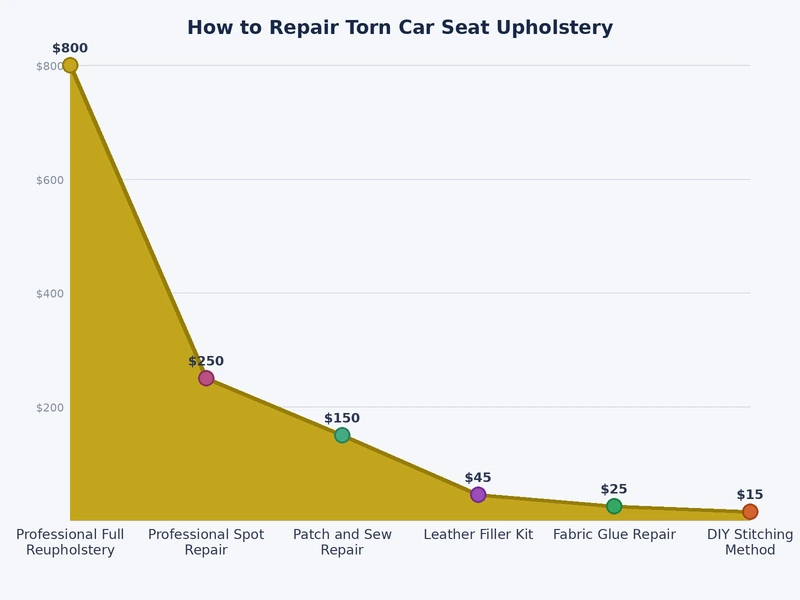
Most DIY repairs take between one and three hours, require no specialized tools beyond a heat gun or standard hair dryer, and cost between $20 and $60 in materials. The skill ceiling for these repairs is genuinely low — the most critical requirement is patience, not technique.
Some damage is beyond what a repair kit can address effectively. A tear that runs through a structural seam into the foam substrate, extensive peeling across a large panel, or damage to a heated or ventilated seat that requires disconnecting and reconnecting electrical components — these jobs benefit from professional hands and proper equipment.
Professional upholstery shops can re-stitch seams with industrial machines, replace individual panels while matching OEM color codes, source period-correct materials for older vehicles, and guarantee that repairs are invisible under normal lighting conditions. Expect to pay between $150 and $400 for a professional single-panel leather repair, depending on material, damage extent, and regional labor rates. A full seat reupholster runs $300–$800 per seat at a reputable shop.
The decision point is straightforward: if the damage is contained and the material is in otherwise reasonable condition, DIY delivers excellent value. If the damage is widespread, structural, or involves a material like bonded leather that cannot be genuinely repaired, professional assessment saves money over repeated failed DIY attempts.
A clean repair starts with the correct materials. Attempting a repair with the wrong adhesive or a mismatched color compound produces visible patches that fail within weeks. Gather everything before touching the seat.
For leather and vinyl repairs:
For fabric and cloth repairs:
Follow these steps in sequence. Skipping surface prep or rushing the curing process are the two most common reasons DIY repairs fail.
Cloth tears require a different approach depending on whether the damage is in the middle of a panel or along a seam line. The repair method differs significantly between these two scenarios.
Mid-panel tears: Apply an iron-on patch to the underside of the fabric directly beneath the tear, following the patch manufacturer's heat instructions. Once the backing has bonded, apply fabric adhesive along the surface edges of the tear, press them together, and allow the assembly to cure flat for a minimum of 24 hours. Avoid stretching or folding the area during curing.
Seam separation: Use a curved upholstery needle and heavy-duty thread to re-stitch the open seam. Match the original thread color as closely as possible — visible thread contrast draws the eye directly to the repair. A running stitch pulled firm at regular intervals restores structural integrity to the seam line. Finish with a light application of fabric adhesive over the completed stitching to lock the threads against unraveling under stress.
For anyone also managing accumulated grime, adhesive residue, or sticker marks on surrounding panels, removing sticker residue from car interior surfaces covers the right cleaning approach for different interior materials without damaging adjacent upholstery.
| Material Type | Recommended Repair Method | DIY Kit Cost | Repair Difficulty | Expected Durability |
|---|---|---|---|---|
| Genuine Leather | Color compound + sub-patch backing | $25–$60 | Moderate | 2–5 years |
| Vinyl | Flexible adhesive + compound | $20–$50 | Easy–Moderate | 2–4 years |
| Bonded Leather | Limited compound repair (peeling continues) | $20–$50 | Difficult | 6–18 months |
| Cloth / Fabric (mid-panel) | Iron-on patch + fabric adhesive | $10–$25 | Easy | 1–3 years |
| Cloth / Fabric (seam) | Re-stitching + adhesive thread lock | $5–$15 | Moderate | 3–6 years |
Repairing torn upholstery is almost always cheaper and faster than replacing the seat cover or full seat assembly. A quality repair kit costs $20–$60. Even a professional single-panel repair stays under $400 in most markets. A full single-seat reupholster runs $300–$800, and replacing all four seats at a reputable shop can easily exceed $2,000 once labor and material sourcing are factored in.
Beyond direct cost, a targeted repair preserves the original feel and fit of the seat. Factory upholstery is matched precisely to the seat foam's contour profile and to the surrounding trim's color and texture — aftermarket replacements rarely achieve the same level of precision, especially on vehicles more than five years old where color matching becomes increasingly difficult.
Resale value is another consideration. A clean, professional-quality repair — or even a well-executed DIY repair — reads as maintained on a used vehicle inspection. Visible unrepaired tears read as neglect, and buyers factor that perception directly into their offers.
Repair becomes impractical under several specific conditions:
Pro tip: If the material peels in sheets or flakes rather than tearing in a clean line, it is bonded leather — not genuine leather — and a seat cover replacement will deliver better results than any repair compound on the market.
In those cases, a full seat cover replacement — rather than a panel reupholster — offers a cost-effective middle ground. High-quality fitted covers protect the existing seat structure, eliminate the need for ongoing individual repairs, and are available in materials that match or exceed the durability of factory upholstery. For a thorough look at the best options across materials and price ranges, the reviews at CarCareTotal's best car seat covers guide cover the top performers in each category.
A leather or vinyl repair compound is more rigid than the surrounding material once cured, which makes post-repair conditioning critical for long-term durability. Apply a quality leather conditioner to the entire seat — not just the repaired spot — within 48 hours of completing the repair. This equalizes moisture absorption across the seat surface and prevents the repaired zone from standing out as a visually dry or stiff patch during flex.
For cloth seats, a fabric protector spray applied after the patch has fully cured adds a barrier against spills and abrasion. This step costs very little and meaningfully extends the life of both the patch and the surrounding fabric.
Ongoing maintenance disciplines make the repair last significantly longer:
The most effective long-term strategy after completing a repair is preventing the next tear before it starts. Seat covers — whether universal-fit neoprene, custom-molded synthetic leather, or heavy-duty canvas — act as a sacrificial layer between daily wear and the original upholstery.
For drivers with pets, children, or work equipment that regularly contacts the seats, a quality cover extends the interval between repairs substantially. Neoprene covers are particularly effective for this application because they are water-resistant, machine washable, and durable against pet claws. Custom-molded covers offer the best combination of protection and OEM aesthetics for drivers who want to maintain the cabin's factory appearance.
Covers are also removable for cleaning, which keeps the underlying upholstery cleaner and drier than it would remain under constant direct contact. A clean, dry substrate is the single most effective condition for extending upholstery life regardless of material type.
For vehicles with 100,000 or more miles being driven daily but not worth a full interior restoration investment, targeted upholstery repair hits a practical financial sweet spot. The cost of repair is low, the improvement to daily driving experience is immediate, and the modest boost to resale value often exceeds the repair cost on a dollar-for-dollar basis.
Even a small, visible tear significantly affects how buyers perceive a used vehicle during inspection. A clean repair reads as a well-maintained interior. An unaddressed tear reads as deferred maintenance — and buyers associate deferred interior maintenance with deferred mechanical maintenance, regardless of actual service records.
At the opposite end of the spectrum, classic and collector cars represent cases where preserving the original upholstery is the primary goal rather than minimizing cost. For these vehicles, the objective of repairing torn car seat upholstery shifts from expense management to authenticity preservation.
Period-correct materials, matched stitching patterns, factory color codes, and original grain textures become important criteria. Many collector car owners work with upholstery specialists who source vintage-appropriate hides or cloth rather than using universal repair kits. The technical repair process remains similar — the material standards and sourcing effort are simply held to a higher standard.
For classic vehicles that spend extended periods in storage between events, pairing upholstery maintenance with the broader care routines outlined in maintaining a car that sits unused for months prevents the dry rot and UV degradation that accelerates both cracking and tearing during storage periods.
Drivers using their personal vehicles commercially face a distinct calculation. Torn upholstery in a ride-share vehicle affects passenger ratings and can result in platform flags or temporary deactivation on some networks. Regular seat inspection and rapid repair — even a temporary patch applied between shifts — keeps the vehicle compliant and presentable without taking it out of service for a full shop repair.
For these applications, keeping a basic leather repair kit stored in the vehicle for quick field corrections is a practical approach that many full-time ride-share drivers adopt. A 20-minute temporary repair buys time until a proper repair can be completed, which is far preferable to operating with visible damage.
Fleet operators managing multiple commercial vehicles benefit from establishing a regular upholstery inspection interval — typically every 90 days — that catches small tears before they expand into panel-level damage requiring professional replacement.
A properly executed DIY repair on genuine leather or vinyl typically lasts two to five years under normal use. Longevity depends heavily on surface preparation quality, the number of compound layers applied, and whether post-repair conditioning is maintained. Repairs on bonded leather last considerably less — often under 18 months — because the underlying material continues to delaminate. Cloth repairs using iron-on patches and fabric adhesive typically hold one to three years before the patch edges begin to lift.
Small seam separations on cloth seats can be re-stitched with standard upholstery thread and a curved needle without any kit. However, leather and vinyl tears require color-matched compound and sub-patch backing to achieve an invisible repair — improvising with household adhesives like super glue or contact cement produces brittle repairs that crack under flex and look visibly different from the surrounding material. A basic repair kit is worth the cost for any leather or vinyl repair.
A well-executed repair — either professional or high-quality DIY — has a positive effect on resale value compared to leaving the damage unaddressed. Buyers and dealership appraisers factor interior condition into valuations, and visible upholstery tears consistently reduce offers. A repair that is invisible under normal inspection removes that discount. Repairs that are visibly imperfect — mismatched color, raised edges, peeling compound — can have a neutral or slightly negative effect, which is why color matching and proper technique matter.
For leather and vinyl, a flexible leather adhesive designed specifically for automotive upholstery — such as Leather Magic's flexible adhesive or Permatex's leather repair compound — outperforms general-purpose contact cements, which become brittle under temperature cycling. For cloth and fabric, a dedicated fabric adhesive like Tear Mender or Beacon Fabri-Tac provides the flexibility needed to handle the constant movement of a seat surface without the bond cracking or peeling under normal use.
 |
 |
 |
 |

About Diego Ramirez
Diego Ramirez is a maintenance and care specialist who has been wrenching on cars since he was sixteen. He focuses on fluid changes, preventive care routines, paint protection, and the small habits that turn a five-year-old car into a fifteen-year-old car.
Get some FREE car parts & gear.. Or check out the latest free automotive manuals and build guides here.
Disable your ad blocker to unlock all the hidden deals. Hit the button below 🚗
| | | |
