Exterior ›
by Joshua Thomas
Which bike roof rack actually deserves a spot on your vehicle in 2026 — and which ones will leave you white-knuckling it down the highway as your bike sways overhead? If you've spent any time researching rooftop carriers, you already know the market is flooded with options that range from genuinely excellent to dangerously underpowered. After hands-on testing and deep spec analysis, the Yakima Highroad stands out as the clear frontrunner for most cyclists, combining frame-free wheel-contact mounting with a low-profile tray design that won't destroy your fuel economy or your carbon frame.
Transporting a bike on your roof is one of the most practical upgrades you can make for weekend rides, trail access, or multi-day cycling trips, but it demands gear that holds up under real-world highway speeds and variable weather conditions. Whether you're hauling a lightweight carbon road bike or a fat-tire mountain bike, the rack you choose needs to match your vehicle's crossbar system, accommodate your specific tire width, and keep your bike locked down without scratching the frame. According to Wikipedia's overview of bicycle carriers, roof-mounted systems offer superior aerodynamics and rear-access clearance compared to hitch and trunk alternatives — but only when properly selected for your setup.
In this guide, we've broken down the six best bike roof racks of 2026, covering everything from premium upright mounts to budget-friendly universal options. You'll get honest pros-and-cons analysis, a focused buying guide covering the specs that actually matter, and answers to the most common questions buyers ask before pulling the trigger. If you're also investing in your vehicle's exterior care alongside this purchase, check out our roundup of the best wheel and tire cleaners to keep your setup looking sharp. Now, let's get your bike on the road.

Contents







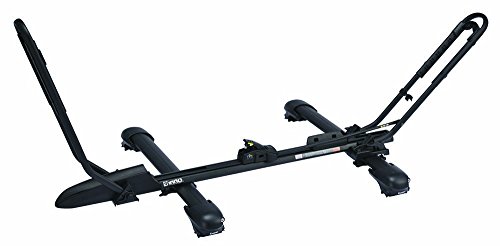
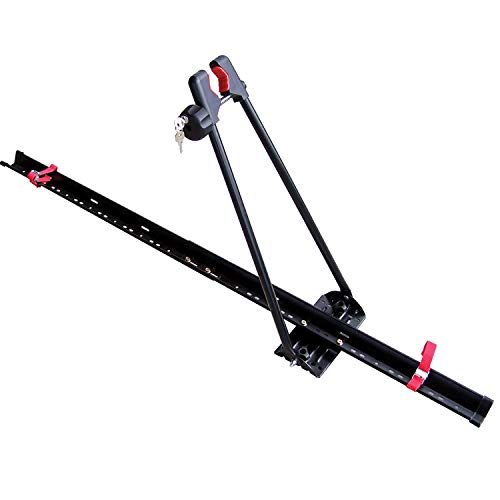

When Yakima redesigned the Highroad for 2026, they eliminated every friction point that plagued older upright roof racks: awkward frame clamping, high-profile trays that catch wind like a sail, and wheel straps that loosen under highway vibration. The Highroad secures your bike entirely by the wheels, meaning there is zero contact with the frame — a detail that makes it the only choice for carbon fiber bikes and custom paint jobs where a single scuff costs hundreds of dollars to repair. The low-profile tray design sits close to your roof, reducing aerodynamic drag and minimizing interference with rear hatch clearance on SUVs and crossovers.
In practice, loading the Highroad is a genuinely one-handed affair once you've dialed in the wheel cradle positions for your specific bike. The front wheel drops in, the rear wheel locks down via the ratcheting strap, and you're secured in under a minute. The rack accommodates wheelbases up to 52 inches, which covers the vast majority of road, gravel, and hardtail mountain bikes without any adapters. For anyone hauling bikes frequently, this kind of daily-use efficiency adds up to a meaningfully better ownership experience compared to competitors that require two hands and a degree of engineering intuition every time you load.
Build quality is exactly what you expect from Yakima's premium tier: the aluminum tray resists corrosion across seasons, the locking skewer secures the front wheel against theft, and the rubberized wheel cradles protect your tire sidewalls during transit. The only real limitation is the 52-inch wheelbase cap, which excludes some larger cargo bikes and long-trail full-suspension mountain bikes — know your measurement before purchasing.
Pros:
Cons:
The RockyMounts Tomahawk earns its reputation as the fat-bike standard in the rooftop rack category — it ships ready for tires up to 5 inches wide right out of the box, with two wheel strap extensions included so you don't spend your first weekend hunting down aftermarket accessories. Like the Yakima Highroad, the Tomahawk makes zero contact with your bike frame, using a ratchet hook over the front wheel combined with front and rear wheel straps to lock the bike down without touching the tubing. For riders who own multiple bikes — a skinny-tired road bike alongside a fat-tire winter rig — this single rack handles both ends of the spectrum without any adapter swapping.
The swingarm design on the Tomahawk is one of its more underrated features: it adjusts for both driver-side and passenger-side installation, which matters on vehicles with asymmetric crossbar positioning or when you're stacking multiple racks across the roof. Installation adjustability also means you can optimize positioning for your specific vehicle to minimize overhang and maintain proper weight distribution across your crossbars. The ratchet mechanism itself is tight and precise — there's no play or wobble once it's engaged, and the locking mechanism provides a functional security layer against casual theft.
Where the Tomahawk gives ground relative to the Yakima Highroad is in loading ergonomics: the ratchet hook system requires a bit more physical effort and coordination, particularly when you're lifting a heavy fat bike overhead and simultaneously positioning the wheel into the cradle. It's a minor point, but one experienced riders notice after repeated use across a long season of adventures.
Pros:
Cons:
Thule's Upride is the rack you reach for when your bike breaks the conventional mold — step-through frames, full rear suspension, internal cable routing with bottle cages mounted at non-standard positions, or any other geometry that makes traditional frame-clamping racks an exercise in frustration. The hook-over-front-wheel design grabs the tire securely without ever touching the bike's tubing, and the system is deliberately engineered to work with the widest possible range of frame designs rather than optimizing purely for conventional diamond frames. Thule's reputation for premium European build quality is evident in the Upride's hardware: machined aluminum, tight tolerances on all moving parts, and a finish that holds up through multiple seasons of outdoor exposure.
For carbon frame owners specifically, the Upride's frame-free design removes the single biggest source of anxiety in rooftop bike transport — the possibility of a clamp overtightening under vibration and cracking a down tube. You load the front wheel into the tray, the front hook locks down over the tire, and the rear wheel secures with a strap that keeps everything planted through corners, freeway on-ramps, and the kind of pavement imperfections that send cheap racks chattering. The silver colorway is a practical choice for maintaining visibility of the rack's hardware condition over time.
The Upride's price sits in Thule's premium tier, which is fully justified by the build quality but does push it toward the higher end of the rooftop rack market in 2026. Riders with conventional diamond-frame bikes and standard tire widths may find that the Yakima Highroad offers equivalent protection at a slightly better value proposition — the Upride's versatility advantage pays off specifically when your bike is the unconventional one.
Pros:
Cons:
The Yakima FrontLoader takes a fundamentally different approach from the wheel-hold racks above: it clamps at the fork via the front wheel removal method, locking the fork crown into the mount and securing the rear wheel with a strap that keeps the bike planted at highway speeds. This design is the choice for serious mountain bikers who are already comfortable removing their front wheel for transport — a standard practice in the off-road community — and who prioritize maximum bike stability and a lower overall roof height profile. For sedans and SUVs without hitch receivers, the FrontLoader transforms your rooftop crossbars into a capable, heavy-duty bike transport platform.
Yakima built the FrontLoader to handle the punishment that mountain biking demands: the mount is machined for strength, the fork cradle locks down with no rattle or vibration, and the rear wheel strap secures the bike body tightly against the tray without any lateral movement during aggressive driving. Fat-tire and mountain bike compatibility is a core design priority rather than an afterthought, and the system handles wide tires without the adapter gymnastics that plague some competing designs. After repeated use across gravel forest roads and highway stretches, the FrontLoader's hardware integrity holds without loosening.
The front wheel removal requirement is the dividing line for buyers — riders who find wheel removal inconvenient or who frequently transport carbon wheel sets with quick-release axle systems may prefer the Highroad or Upride's no-removal design. But for the mountain bike community, where wheel removal is already routine, the FrontLoader delivers a uniquely stable and low-profile carry solution. If you care about your entire exterior setup, pair this with proper dent repair tools so you're protected against parking lot encounters on trail days.
Pros:
Cons:
The INNO INA389 earns the universal fit crown by covering the widest tire size range of any rack in this category without requiring tool-based adjustments at the rack itself — the redesigned tire size adjuster clicks through its range quickly and securely, which matters when you're swapping between a 26-inch kid's bike and a 700c road bike in the same weekend. Supported sizes span 20-inch all the way through 29-inch, with a maximum tire width of 2.7 inches, and the rear ratcheting arm locks the bike into position with a positive engagement that folds away cleanly when the rack isn't in use. For families or group riders managing multiple bikes across different wheel sizes, this flexibility is a genuine operational advantage over racks that cover only a narrow size range.
The no-tools-required adjustment philosophy carries through the entire INA389 experience: mount setup is straightforward, tire size dialing takes seconds rather than minutes, and the folding rear arm keeps the rack tidy and low-profile when you're driving solo. The rack supports most frame styles, giving it broad compatibility across the hybrid, road, and hardtail mountain bike segments — the 2.7-inch max width does exclude fat bikes, which is the clear differentiator versus the RockyMounts Tomahawk for riders in colder climates.
Build quality is solidly mid-tier — durable enough for regular seasonal use, and light enough that the rack itself doesn't meaningfully impact your vehicle's roof load rating. The value proposition is strongest for riders who need genuine versatility across multiple bike types and don't want to invest in a dedicated fat-bike-specific system. For everyday family bike transport across standard tire sizes, the INNO INA389 delivers reliable, fuss-free performance at an approachable price point that makes it easy to recommend in 2026.
Pros:
Cons:
At the entry end of the rooftop rack market, the Swagman UPRIGHT does something remarkable: it stays out of its own way. The design is intentionally minimalist — steel and durable plastic construction, a 35-pound weight capacity, and a five-pound rack weight that barely registers on your vehicle's roof load rating. No wheel removal is required, fitting bikes with wheelbases up to 54 inches and tires up to 3 inches wide, which covers the majority of casual and recreational cycling use cases. The crossbar compatibility is genuinely universal across square, round, and oval bars up to 3 inches, and multiple units can run on a single vehicle when you're moving the whole family's bikes in one trip.
The assembly and installation process lives up to Swagman's "minutes, not hours" claim — the instructions are clear, the hardware is purpose-made, and the overall mechanism is simple enough that there's very little that can go wrong during setup. The sleek, low-profile aesthetic holds up well visually on a range of vehicles, and the rack's light weight means you're not carrying dead cargo load on your roof between rides. These are meaningful practical advantages for casual cyclists who want rooftop capability without the complexity of a system designed for competitive athletes.
The honest limitation of the Swagman UPRIGHT is its positioning as an entry-level product: the 35-pound weight limit excludes heavier e-bikes and some premium mountain bikes, the locking security is basic compared to Yakima and Thule alternatives, and the frame-contact mounting design makes it inappropriate for carbon fiber bikes or custom finishes where scratch prevention is essential. For recreational riders with standard aluminum-frame bikes who want uncomplicated rooftop transport at a budget-conscious price, the Swagman delivers dependable, no-drama performance — just align your expectations with the product tier. You can find more practical exterior-care guidance across our exterior accessories section for keeping your full setup in top condition.
Pros:
Cons:
The single most consequential decision in selecting a rooftop bike rack is choosing the mounting philosophy that matches your bike and your loading habits. In 2026, three systems dominate the market:
Every bike roof rack on this list mounts to your vehicle's existing rooftop crossbars, so confirming compatibility before purchasing is a non-negotiable first step. Key compatibility factors include:
Your bike's tire width determines which racks are physically compatible with your setup, and the range varies significantly across products in this guide:
Maintaining your tires alongside proper transport gear matters — our guide on car wax vs. sealant also touches on how exterior protection transfers to keeping your vehicle's roof finish pristine beneath the rack footpads.
Rooftop racks are a theft target both for the rack itself and for the bike it's carrying. Security tiers across this category break down clearly:
A properly installed bike roof rack that fits your vehicle's crossbar system correctly does not damage your roof. The rack mounts to the crossbars — not directly to the roof skin — and the crossbars themselves distribute load through the factory attachment points. Damage occurs when racks are improperly installed, overloaded beyond the vehicle's dynamic roof rating, or when footpad rubber degrades and allows metal-to-metal contact with the crossbar. Inspect footpad condition seasonally and torque all mounting hardware to spec after the first 50 miles of use.
No — all six racks reviewed in this guide require existing rooftop crossbars for installation. If your vehicle has factory roof rails but no crossbars, you need to add crossbars first, and both Yakima and Thule offer vehicle-specific crossbar systems that are fully compatible with their respective bike racks. Attempting to mount a bike rack directly to bare roof rails or roof skin without crossbars is unsafe and will damage your vehicle.
Yes, when the rack is correctly installed and the bike is fully secured, driving at highway speeds is safe and the design expectation for all products in this category. Before any highway trip, verify that all wheel straps are tight, the front wheel hook or fork mount is locked, and the rack's crossbar mounting hardware is torqued properly. Re-check the load after the first 10 minutes of driving, as initial vibration can settle strap tension slightly. Aerodynamic drag increases meaningfully above 65 mph regardless of rack type, so account for the fuel economy impact on longer trips.
Individual racks in this guide are each designed for one bike, but multiple racks can be run on a single vehicle simultaneously — the Swagman UPRIGHT explicitly supports this configuration, and most crossbar systems have sufficient length to accommodate two to three racks side by side. Confirm your vehicle's dynamic roof load rating before stacking multiple heavy bikes, and verify that your crossbars have enough linear length to mount the racks at the recommended spacing specified by the manufacturer.
It depends on the mounting system you choose. Wheel-hold upright racks (Yakima Highroad, RockyMounts Tomahawk, Thule Upride, INNO INA389, Swagman UPRIGHT) require no wheel removal — the bike loads intact. Fork-mount systems (Yakima FrontLoader) require front wheel removal as part of the mounting process. The no-removal systems are more convenient for casual cyclists; the fork-mount approach is a non-issue for mountain bikers who routinely remove wheels for trail transport. Choose based on your actual loading habits rather than the theoretical best method.
Frame-free wheel-hold systems (Yakima Highroad, RockyMounts Tomahawk, Thule Upride) are fully compatible with carbon fiber frames because they never touch the tubing — the entire load transfers through the tires and wheels, which carbon frames are designed to handle. Frame-clamp systems that grab the top tube or down tube directly are not recommended for carbon frames, as clamp pressure can concentrate stress at contact points and create micro-fractures invisible to the eye. For any carbon or custom-painted bike, specify a wheel-hold or fork-mount system exclusively.
 |
 |
 |
 |

About Joshua Thomas
Joshua Thomas holds a Bachelor of Science in Mechanical Engineering from San Diego State University and has spent years applying that technical foundation to hands-on automotive work — from routine maintenance to full mechanical repairs. He founded CarCareTotal in 2017 to give car owners the kind of clear, practical guidance that helps them understand what is happening under the hood and make smarter decisions about upkeep and repairs. At CarCareTotal, he oversees editorial direction and covers automotive fundamentals, maintenance guides, and troubleshooting resources for everyday drivers.
Get some FREE car parts & gear.. Or check out the latest free automotive manuals and build guides here.
Disable your ad blocker to unlock all the hidden deals. Hit the button below 🚗
| | | |
