Interior ›
by Rachel Park
A family returning from a weekend camping trip found their factory carpet mats completely soaked through, with mud packed into every fiber and no realistic way to clean them before the workweek began. That single experience sends many car owners searching for the best all weather car floor mats — ones designed to trap water, block mud, and wipe clean in minutes rather than hours. For anyone serious about keeping a vehicle's interior in top condition, upgrading floor protection stands out as one of the most practical and affordable investments available.
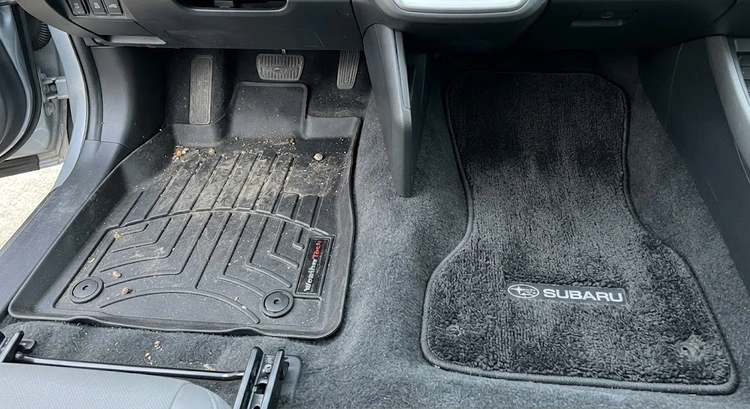
The debate between rubber and carpet floor mats has continued for decades, and neither material wins in every situation — the right choice depends on climate, driving habits, and how much time car owners are willing to spend on maintenance. Rubber mats handle harsh conditions without hesitation, while carpet mats deliver the clean, factory-installed appearance and softer feel that daily commuters often prefer. Understanding these trade-offs prevents a costly and frustrating purchasing mistake.
The market stretches from thin universal sets priced under ten dollars to precision-molded designs well above a hundred, and price alone does not determine quality. The specs that matter most — raised edge lip height, anti-slip backing design, and material thickness — rarely appear in the headline description. This guide breaks down what actually separates a standout all-weather mat from an average one, across every use case and budget level.
Contents
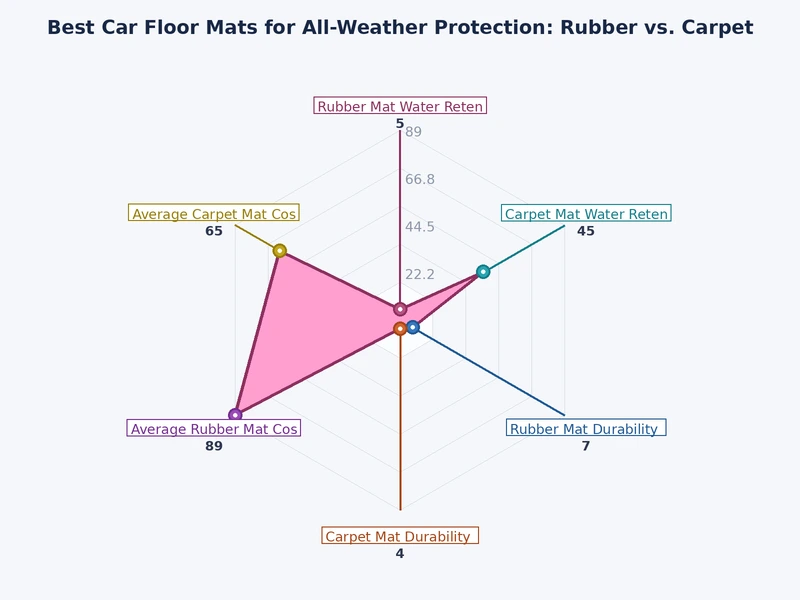
Matching the mat material to the actual driving environment is the single most important decision in this buying process. A rubber mat in a dry-climate commuter vehicle provides little advantage over carpet, while a carpet mat in a truck used for off-road weekends becomes a maintenance problem within one season. Drivers who identify their real-world use case first make consistently better purchasing decisions.
Heavy-duty rubber mats — often constructed from thermoplastic elastomer (TPE, a flexible synthetic rubber blend) or thermoplastic rubber (TPR) — are engineered specifically for climates where water, mud, road salt, and snow appear regularly. The raised channel design around the mat's perimeter works like a containment moat, trapping liquid and debris before it ever reaches the carpet layer underneath. Drivers in northern states dealing with road salt each winter get measurable, verifiable protection from this raised-lip construction.
Pro tip: When buying rubber mats specifically for winter use, prioritize models with a minimum one-inch lip height — shorter lips allow slush to overflow during heavy snowfall events.
Carpet floor mats — typically built from tightly woven nylon or polypropylene fiber — suit drivers in moderate climates where heavy moisture is rare and the priority is a polished, factory-quality cabin appearance. Nylon mats resist staining better than the original factory carpet because the fiber density is higher and most quality brands apply a soil-release treatment during manufacturing. A well-chosen carpet mat set extends the life of the original vehicle flooring across the entire ownership period without sacrificing the interior's refined appearance.
When spills or tracked-in dirt do find their way onto carpet mats, the detailed methods in the guide on how to remove stains from car seats apply equally well to mat fibers — blotting immediately and using the right cleaning agent make a significant difference in the outcome.
The most frequent complaint about aftermarket floor mats is that they slide forward toward the pedal area, creating a genuine safety hazard that many drivers underestimate until an incident occurs. The National Highway Traffic Safety Administration (NHTSA) has issued recalls specifically addressing floor mat interference with accelerator pedals, elevating proper fit from a comfort concern to a safety requirement. Understanding why mats shift — and how to stop it — protects the vehicle and everyone inside it.
Mats slide for three primary reasons: the backing lacks sufficient grip for the specific floor contour, the mat dimensions do not match the footwell shape closely enough, or the factory retention clip system is absent or incompatible with the aftermarket mat. Most OEM mat designs include a dedicated hook or anchor post that accepts only the manufacturer's specific mat, leaving aftermarket buyers responsible for confirming clip hole compatibility before purchasing.
Custom-molded mats are laser-scanned or digitally measured to match the exact floor geometry of a specific vehicle make, model, and year, covering every contour and corner that universal mats leave partially exposed. Universal mats cost considerably less but require manual trimming and cannot conform to the complex curves common in modern vehicle footwells. For most drivers, the added cost of custom-fit mats is justified by the full-floor coverage, secure anchoring, and cleaner appearance they deliver compared to trimmed universal alternatives.
| Feature | Universal Mats | Custom-Molded Mats |
|---|---|---|
| Price Range | $10–$40 | $60–$150+ |
| Fit Accuracy | Approximate — manual trimming required | Exact — vehicle-specific laser fit |
| Edge Coverage | Leaves gaps at contoured areas | Full coverage to door sills |
| Retention System | Backing nubs only | Clip holes plus backing nubs |
| Best For | Budget buyers, older vehicles | New vehicles, demanding conditions |
A floor mat that goes without regular cleaning eventually becomes a persistent source of odor and bacteria inside the cabin, defeating the entire purpose of protecting the original carpet underneath it. Rubber and carpet mats require different cleaning approaches, and using the wrong technique on either material causes premature surface breakdown that shortens the mat's service life noticeably. Consistent maintenance — even a brief weekly shakeout — extends mat lifespan far beyond what neglect allows.
Rubber mats clean faster than any other type, which is a major part of their appeal for busy households with multiple drivers. Removing the mat from the vehicle, shaking out loose debris, and spraying it down with a garden hose handles everyday dirt without any cleaning product at all. For stubborn mud compacted into the channel grooves, a stiff-bristle brush with a diluted dish soap solution removes residue without damaging the rubber compound beneath.
Carpet mats benefit from a thorough vacuum pass at least once per week, followed by targeted spot treatment whenever stains appear. Waiting for liquid stains to set into the fiber makes removal significantly harder, and compounds like coffee or pet waste bond to synthetic fibers quickly and require enzyme-based formulas to break down completely. Drivers dealing with persistent embedded stains will find detailed product comparisons in the guide covering the best car carpet stain removers, which reviews both spray and foam formulations across price ranges.
Warning: Never machine-wash carpet mats that have a rubber backing — the agitation cycle separates the backing layer from the fiber, permanently destroying the mat's structural integrity after a single wash cycle.
Floor mat longevity depends on overlapping factors: material quality at the time of purchase, how consistently the mats are cleaned, and whether driving conditions change meaningfully over time. A driver relocating from a dry southwestern city to a rainy Pacific Northwest climate should reevaluate their mat choice rather than continue using the same carpet set bought in a different environment. Planning for the full vehicle ownership period — not just the first season — produces far smarter purchasing decisions over time.
High-quality TPE rubber mats last between five and ten years under normal driving conditions, resisting UV degradation, temperature cycling, and chemical spills that would ruin inferior materials within one or two seasons. Premium nylon carpet mats with dense pile construction last three to seven years depending on traffic volume, with the driver-side mat typically needing replacement a year or two ahead of the rest of the set. The cost-per-year math consistently favors custom rubber mats for drivers in demanding climates when the full lifespan is factored into the purchase price.
Protecting other interior elements alongside floor mats matters equally — a quality set of steering wheel covers works in tandem with well-chosen floor mats to maintain the cabin's overall condition and support resale value across the entire ownership period.
Floor mats reach end-of-life when the surface can no longer be cleaned to an acceptable standard, when the anti-slip backing has worn completely smooth and the mat slides freely, or when cracks, tears, or delamination create a pedal-interference or tripping hazard. Waiting too long risks damage to the original carpet below — the exact material the mat was installed to protect. A replacement cycle of every three to five years, combined with an annual inspection for wear, keeps protection consistent without unnecessary spending.
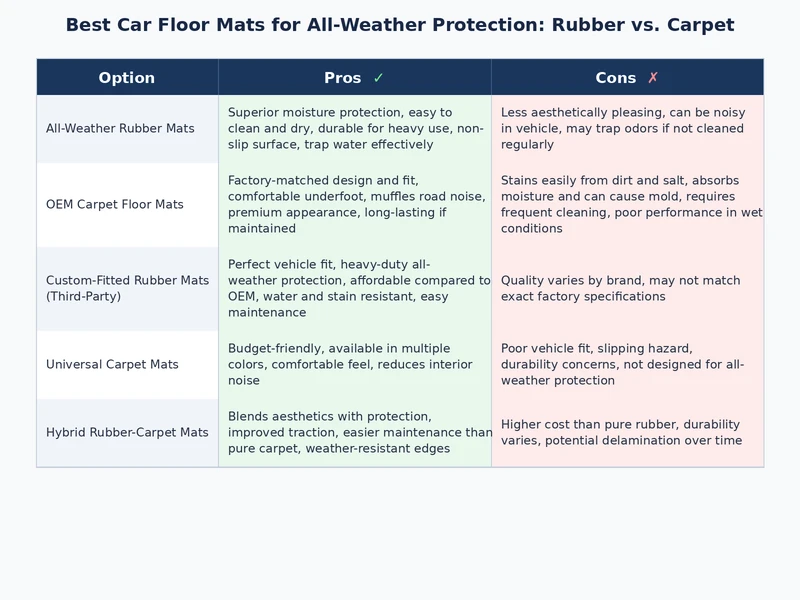
Thermoplastic elastomer (TPE) rubber mats with a raised lip of at least one inch — from brands such as WeatherTech, Husky Liners, or Lasfit — deliver the strongest protection against snow and road salt, containing liquid before it can reach the original carpet below.
Rubber mats outperform carpet in wet, muddy, and snowy conditions because they contain liquid and clean in minutes, while carpet mats suit mild climates and drivers who prioritize a factory-look interior; neither type is universally superior.
Universal all-weather mats fit most vehicles with manual trimming, but custom-molded mats are digitally measured to match the precise floor dimensions of a specific make, model, and year — providing better coverage, a more secure hold, and a cleaner appearance overall.
Rubber mats benefit from a weekly rinse and shake, while carpet mats need a weekly vacuum pass and immediate spot treatment when liquid or debris lands on the surface; waiting longer allows stains and odors to set permanently into the fibers.
Yes — improperly fitted or stacked floor mats can slide into the pedal zone and prevent the accelerator or brake from returning to its resting position, which is why correct fitment, functioning retention clips, and single-layer installation are all safety requirements, not optional extras.
Quality TPE rubber mats last five to ten years under normal driving conditions, provided they are cleaned regularly and not exposed to petroleum-based solvents that break down the rubber compound over repeated applications.
The most critical specs are raised edge lip height for liquid containment, a retention system compatible with the vehicle's OEM clip posts, material grade (TPE or heavy-duty rubber rather than thin PVC), and vehicle-specific fitment for complete floor coverage without gaps.
For any vehicle valued above fifteen thousand dollars or driven regularly in demanding conditions, custom-fit mats justify the higher price through superior floor coverage, a locking retention fit, and a longer service life that trimmed universal mats cannot reliably match.
 |
 |
 |
 |

About Rachel Park
Rachel Park specializes in the interior and exterior upgrades that meaningfully change how a car looks, sounds, and feels on a daily basis. She has hands-on experience with head unit installations and audio system builds, LED and HID lighting conversions, interior refresh projects, and cosmetic exterior work — evaluated from both a DIY accessibility and quality-of-result perspective. At CarCareTotal, she covers car audio and electronics, lighting upgrades, and interior and exterior styling accessories.
Get some FREE car parts & gear.. Or check out the latest free automotive manuals and build guides here.
Disable your ad blocker to unlock all the hidden deals. Hit the button below 🚗
| | | |
