by Liam O'Brien
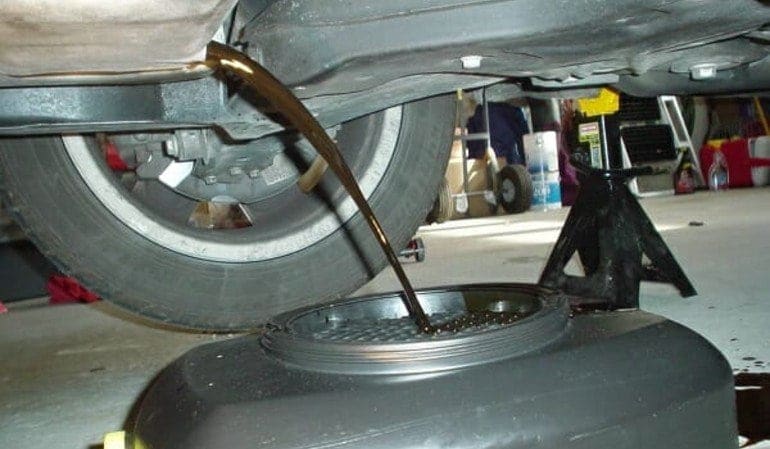
The Lisle 19202 tops our 2026 oil drain pan list thanks to its massive 45-quart capacity and rolling design that makes truck jobs genuinely easy. If you're doing your own oil changes — whether on a sedan, SUV, or heavy equipment — you need a drain pan that won't spill, won't overflow, and won't make a mess of your garage floor. The right pan saves you cleanup time and keeps used oil contained for proper disposal.

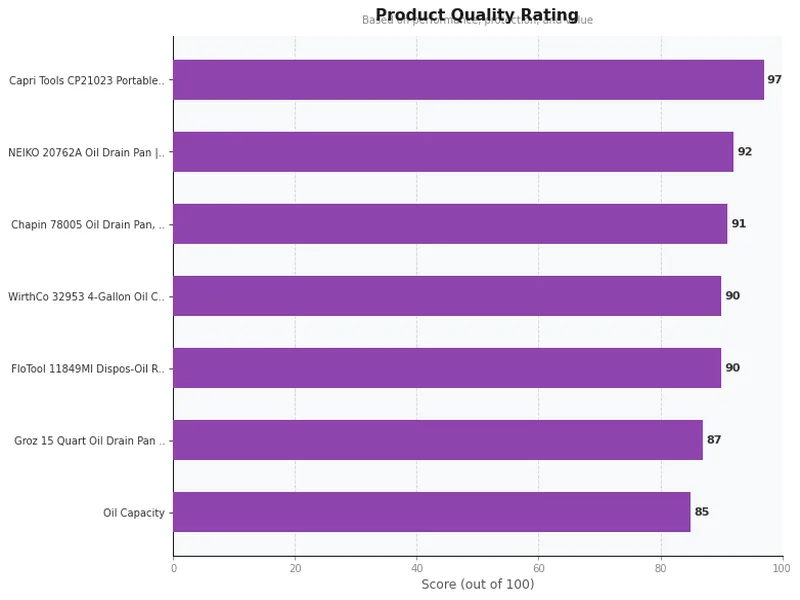
Oil drain pans come in all shapes and sizes in 2026. Some are low-profile plastic trays for passenger cars. Others are heavy-duty rolling containers built for commercial shops. A few newer options use stainless steel for long-term durability. The key is matching the pan to your vehicle and workspace. A 4-quart pan works fine for a Honda Civic. A Ford F-250 diesel? You'll want at least 15 quarts of capacity. We tested and researched seven top-rated oil drain pans to help you find the right fit. Every pick below balances capacity, spill resistance, and ease of use at different price points.
If you're setting up a proper home garage for maintenance, you'll also want a solid work surface — check out our guide to the best garage workbenches to round out your setup. And while you're under the hood, pairing a quality drain pan with one of the best oil filters makes the whole oil change process smoother. Let's dig into the picks.
Contents
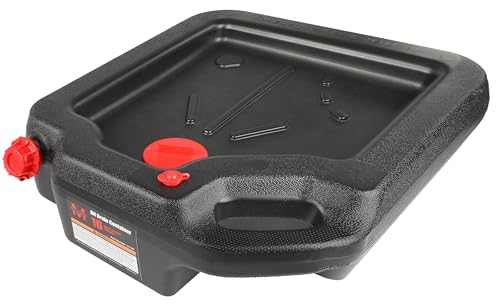






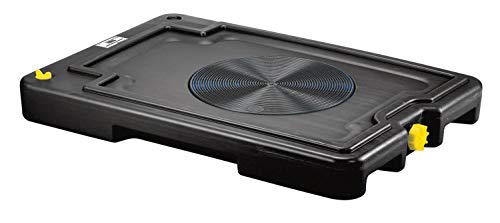

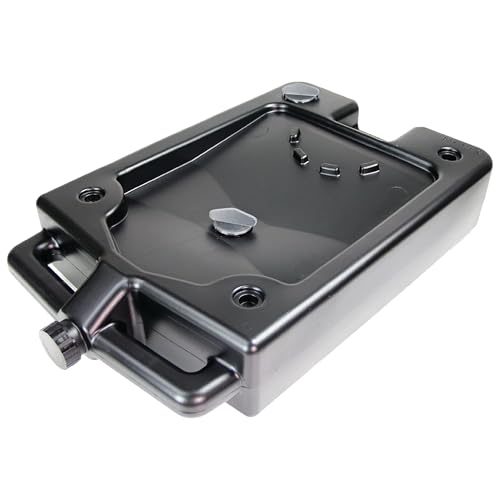

The MaxWorks 51165 gives you 16 quarts of capacity in a well-designed container that handles big vehicles with confidence. Its deep drain well is the standout feature here. Instead of a flat, shallow pan where oil splashes everywhere, this container funnels fluid into a recessed collection area. That means less mess when the drain plug comes out fast — and it always comes out faster than you expect.
Build quality feels solid for the price. The heavy-duty plastic holds up to hot oil without warping. Ergonomic side handles make carrying a full container manageable, though 16 quarts of used oil weighs roughly 30 pounds, so you'll still want a firm grip. You can store it upright like a jug or lay it flat under a vehicle — a nice touch if your garage storage space is tight.
Where this pan really earns its keep is on trucks, SUVs, and farm equipment with large oil capacities. You won't need to swap pans mid-drain like you would with a smaller 6-quart tray. For passenger cars with 4-5 quart sumps, it's honestly overkill, but having extra capacity never hurts as a safety margin.
Pros:
Cons:
Neiko's 20760A is a straightforward, no-frills drain pan that does exactly what you need at a price that won't sting. The 4-gallon (16-liter) capacity matches most full-size truck engines. Its deep 6-inch by 18-inch basin catches oil cleanly, and the anti-splash curled lip around the edge is a small detail that makes a big difference when you're sliding the pan out from under a vehicle.
The pan is made from recyclable polythene plastic. It's thick-walled enough to stay rigid even when filled with hot oil straight from the drain plug. Neiko also added a non-spill pour spout, which makes transferring used oil into a recycling container much cleaner than tipping a flat pan. It handles oil, gasoline, coolant, and antifreeze without degrading — the plastic resists chemical breakdown over time.
This is the pan you grab when you just want something reliable without overthinking it. It doesn't have wheels, a lid, or fancy features. It's a well-made basin with a spout. For weekend DIY mechanics who change oil a few times a year, that's usually all you need.
Pros:
Cons:
The Teodute set takes a different approach. Instead of a deep basin you drain into, these are wide, flat stainless steel trays you park your car over. At 35.4 by 24 inches each, they cover a large area under your vehicle to catch slow drips, leaks, and spills. You get two pans in the set, which is great for covering both the engine and transmission areas — or keeping a spare in the trunk for emergencies.
The 430 stainless steel construction is the real selling point. Unlike plastic pans that can crack in cold weather or warp under heat, stainless steel stays flat, resists rust, and cleans up easily with a rag and degreaser. The reinforced bottom prevents flexing even when loaded with fluid. These trays won't degrade from repeated exposure to motor oil, brake fluid, or coolant.
The 1.9-inch raised lip keeps fluids contained, but this is not designed for catching a full oil change stream. Think of it more as a drip pan or containment tray. It's perfect for older vehicles that leak between oil changes, or for placing under a car after an oil change to catch any remaining drips. If you need to catch 4+ quarts of oil flowing out at once, pair this with a deeper pan positioned underneath the drain plug.
Pros:
Cons:
The Lisle 19202 is the heavy hitter on this list. With a 45-quart capacity — that's over 11 gallons — it handles the largest crankcase and radiator systems you'll encounter. This is the pan commercial shops and fleet maintenance crews reach for. It's built for trucks, heavy equipment, and anything with a massive oil sump that would overflow a standard pan in seconds.
Four built-in rollers and a transport handle set this apart from every other pick. You can position the pan under a lifted truck, let it fill, then roll it out without lifting. That matters when you're dealing with 40+ pounds of used oil. The included lid and curved side design keep fluids from sloshing out during movement — a thoughtful detail that shows Lisle understands how these pans actually get used in busy shops.
The low-profile design slides under vehicles with moderate ground clearance. It's not as thin as some passenger-car pans, but for the trucks and equipment it's designed for, clearance is rarely an issue. If you work on large diesel engines, fleet vehicles, or agricultural equipment regularly, this is the pan that eliminates the "stop and dump" routine mid-drain. One pan, one drain, done.
Pros:
Cons:
OTC's 1577 is a professional-grade fluid receiver that balances large capacity with easy maneuvering. At 7.5 gallons (30 quarts), it sits between standard consumer pans and the jumbo Lisle 19202. It's big enough for most truck oil changes but not so large that it becomes unwieldy. At just 5 inches tall, it slides under passenger cars with ease — something the larger Lisle can't always do.
The four casters are smooth-rolling and responsive. Positioning and removing the pan under a vehicle on a lift takes seconds. The polyethylene construction keeps the weight down to just 13 pounds empty, which is remarkably light for a pan this size. Polyethylene also resists oil, coolant, antifreeze, and most automotive chemicals without cracking or degrading.
This pan was designed for repair shops handling a variety of vehicles every day. It works equally well for oil changes, coolant flushes, and transmission fluid swaps. The wide, open basin catches draining fluid without the precision aim some narrower pans require. If you're a professional mechanic or run a shop, the OTC 1577 is a reliable workhorse that earns its keep daily.
Pros:
Cons:
The Chapin 78005 was built for tight spaces. At under 5 inches tall, it slides beneath ATVs, riding mowers, motorcycles, and tractors where taller pans simply won't fit. The 12-quart capacity handles most small to mid-size engines comfortably. It won't work for a big diesel, but for the machines it's designed for, the capacity is well matched.
Chapin made this from recycled polymer, which is a nice sustainability touch. The large splash-free target area is wide and well-shaped, so you're not playing a guessing game trying to position the pan under the drain plug. Molded-in carry handles make it easy to lift, tip, and pour without fumbling. The handles also provide good grip when the outside gets oily — a common annoyance with smooth-sided pans.
This is the pan you want if you maintain small equipment in addition to cars. ATVs, lawn tractors, and motorcycles often have very little ground clearance, and a standard drain pan won't fit underneath. The Chapin solves that problem without sacrificing usability. It's also a great choice for anyone who stores their drain pan in a tight space — the low profile takes up minimal shelf room. If you work on outdoor equipment regularly, you might also want the right tools to go with it.
Pros:
Cons:
Groz's drain pan puts clean pouring front and center. The 4.25-gallon capacity sits right in the sweet spot for most vehicles — enough for trucks and SUVs, not oversized for sedans. But the real reason to pick this pan is the spout and cap system. The wide lip catches oil cleanly. The integrated spout lets you pour it out in a controlled stream. The cap seals the spout for transport and storage. Simple idea, but most pans skip at least one of these elements.
The body is high-density polyethylene (HDPE), which is the gold standard for automotive drain pans. HDPE resists gasoline, motor oil, brake fluid, and most solvents without becoming brittle or soft. This pan will look and perform the same after years of use. The wide lip also doubles as an anti-splash barrier, keeping oil contained even when it hits the pan at an angle.
For DIY mechanics who change oil on multiple vehicles, the Groz strikes a good balance. It's large enough for bigger engines but not so bulky that storing it is a hassle. The spout cap means you can drain the oil, cap the spout, carry the pan to your used oil container, and pour cleanly — no secondary funnels or containers needed. It simplifies the whole process from drain to disposal. You can learn more about proper used oil disposal from the EPA's used oil recycling guide.
Pros:
Cons:
This is the single most important factor. Check your owner's manual for your engine's oil capacity, then pick a pan that holds at least 1.5 times that amount. Why the extra room? Oil drains fast when hot, and splashing can push fluid right over the rim of a pan that's too small. A 4-cylinder sedan with 4 quarts of oil needs at least a 6-quart pan. A V8 truck with 8 quarts needs 12 or more. Diesel trucks with 12-15 quart sumps should look at the 30+ quart options like the Lisle 19202 or OTC 1577.
If you work on multiple vehicles, buy for your largest engine. A big pan works fine on a small car. A small pan overflows on a big truck.
Ground clearance matters more than most buyers realize. A lifted truck gives you plenty of room, but a lowered sedan or a lawn mower might only have 4-5 inches of clearance. Measure the gap between the ground and your drain plug before you buy. Low-profile pans like the Chapin 78005 and OTC 1577 both come in under 5 inches. Standard basin-style pans like the NEIKO 20760A are deeper and need more space beneath the vehicle.
If you use a floor jack and jack stands, clearance is less of a concern. But if you're working on equipment that stays on the ground — ATVs, mowers, motorcycles — a low-profile pan is essential. Also keep in mind that pairing a drain pan with a quality fuel injector cleaner during maintenance keeps your engine running cleanly between oil changes.
Most oil drain pans are made from plastic — either polyethylene or polypropylene. Plastic is lightweight, chemical-resistant, and affordable. High-density polyethylene (HDPE) is the best option because it withstands hot oil, solvents, and repeated use without cracking. The Groz 41960 and OTC 1577 both use this material.
Stainless steel pans, like the Teodute set, last longer and resist deformation. They clean up faster too — oil wipes right off metal surfaces. The trade-off is weight and cost. Steel pans are heavier and more expensive. They also conduct heat, so handling a steel pan full of hot oil requires caution. For a permanent drip tray or a shop that values durability above all else, steel wins. For occasional DIY use, plastic is the practical choice.
Getting oil into the pan is only half the job. You also need to get it out and into a recycling container. Look for these features that make the process cleaner:
A quality drain pan lasts for years — even decades with proper care. HDPE plastic pans should be replaced if they crack, warp, or become brittle. Stainless steel pans can last indefinitely. Check your pan before each use for cracks along the rim and bottom. If you see any sign of failure, replace it immediately. A cracked pan turning into a garage floor oil spill is not worth saving a few dollars.
Yes. Most drain pans handle transmission fluid, coolant, antifreeze, brake fluid, and power steering fluid without issues. HDPE and polyethylene plastics resist all of these chemicals. However, you should avoid mixing different fluids in the same pan without cleaning between uses. Recycling centers often reject contaminated oil — motor oil mixed with coolant, for example, requires special processing. Use separate pans or clean thoroughly between fluid types.
Most full-size trucks hold 6 to 8 quarts of oil. Diesel trucks can hold 12 to 15 quarts. Pick a pan with at least 1.5 times your engine's capacity. For a gas truck, a 12-16 quart pan works well — the MaxWorks 51165 or NEIKO 20760A are solid choices. For diesel trucks, go bigger. The Lisle 19202 at 45 quarts or the OTC 1577 at 30 quarts give you plenty of margin.
Never pour used oil down a drain, into the ground, or into the trash. Most auto parts stores (AutoZone, O'Reilly, Advance Auto Parts) accept used motor oil for free. Many municipal recycling centers and service stations also accept it. Pour the used oil from your drain pan into a sealed container — an old oil jug works perfectly — and drop it off. One gallon of improperly dumped oil can contaminate up to one million gallons of water.
It depends on what you're working on. Low-profile pans (under 5 inches) are better for vehicles with limited ground clearance — sedans, motorcycles, ATVs, and lawn equipment. Deep basin pans hold more oil and splash less, making them better for trucks and SUVs on jack stands or lifts. If you work on a variety of vehicles, consider owning one of each, or pick a mid-height pan like the Groz 41960 that balances both needs.
Technically yes, but it's a bad idea. Kitchen pans and baking sheets aren't designed for hot oil (engine oil drains at 200°F+), automotive chemicals, or the volume of fluid involved. They can warp, crack, or overflow. Dedicated oil drain pans have spill-resistant lips, pour spouts, chemical-resistant materials, and appropriate capacity. They're inexpensive enough that using a makeshift alternative isn't worth the risk of a garage floor covered in used oil.
 |
 |
 |
 |

About Liam O'Brien
Liam O'Brien has spent over a decade buying, field-testing, and evaluating automotive tools with a focus on what actually performs in a real DIY garage rather than what markets well on a spec sheet. His hands-on experience spans hand tools, diagnostic equipment, floor jacks, socket sets, and specialty automotive gear across a wide range of brands and price points. At CarCareTotal, he covers automotive tool and equipment reviews, garage setup guides, and buying advice for home mechanics.
Get some FREE car parts & gear.. Or check out the latest free automotive manuals and build guides here.
Disable your ad blocker to unlock all the hidden deals. Hit the button below 🚗
| | | |
