by Joshua Thomas
Over 11 million households in the United States own a recreational vehicle, and every single one of them depends on a functioning RV toilet — yet most owners settle for whatever came factory-installed. The RV toilet market has shifted significantly heading into 2026, with porcelain-bowl models, composting units, and ultra-efficient gravity-flush designs all competing for dominance. Choosing the wrong unit means dealing with odor, clogs, excessive water consumption, or a bathroom experience that feels like a downgrade from camping in the woods.
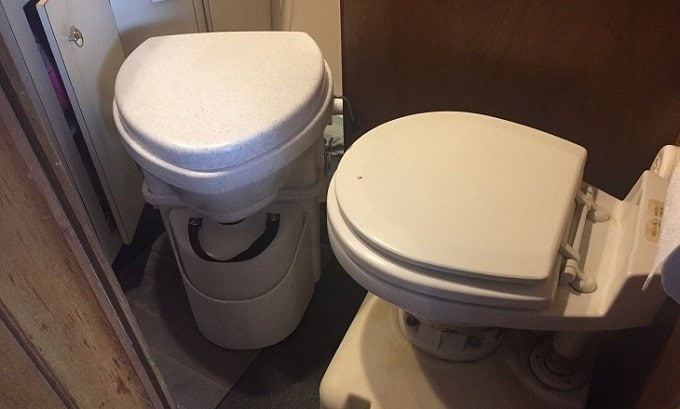
This roundup covers seven RV toilets across every major category: permanent-mount gravity flush, porcelain hybrid, composting, and portable cassette. Each model was evaluated on flush performance, water efficiency, build quality, ease of installation, and overall comfort. Whether outfitting a Class A motorhome or a weekend camper van, this guide breaks down exactly which toilet belongs in which rig. For those also upgrading their RV's electrical system, a reliable AGM battery is worth considering alongside these improvements.
The selections range from budget-friendly plastic-bowl units under $100 to premium composting toilets that eliminate the black tank entirely. Water usage varies from zero (composting) to roughly one pint per flush (gravity models), a critical factor for boondockers and dry campers. According to the U.S. Environmental Protection Agency, residential toilets account for nearly 30% of household water use — RV toilets must do more with far less.
Contents






The Thetford Aqua Magic Bravura remains one of the most popular RV toilets on the market for good reason. Its single-pedal, two-function flush system allows precise water control — press halfway to fill the bowl, press fully to flush. That dual-action mechanism reduces water waste while maintaining strong bowl coverage. At just 18.7 pounds, it is among the lightest permanent-mount RV toilets available, making installation a straightforward one-person job.
Build quality centers on polypropylene construction. The material resists cracking and chemical degradation from holding tank treatments. The high-profile seating position brings comfort closer to residential standards, a meaningful upgrade for full-timers. The removable seat and cover pod simplify deep cleaning — the entire upper assembly lifts off without tools.
Flush power is adequate for a gravity-fed system but does not match the performance of ceramic-bowl models. The plastic bowl surface can stain over time if not cleaned regularly with RV-specific products. Still, for the price point, the Bravura delivers a reliable, comfortable experience that outperforms most factory-installed units.
Pros:
Cons:

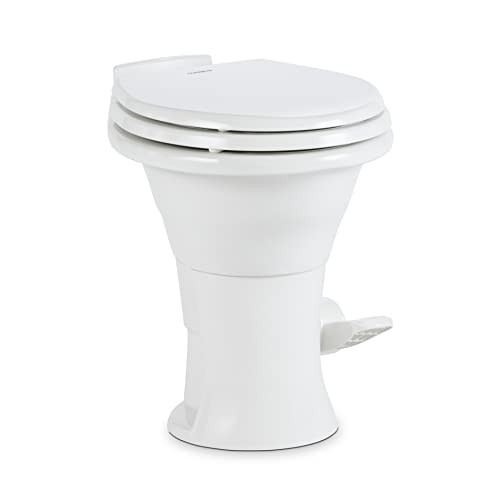
Dometic's 300 Series targets buyers who want a no-frills gravity flush toilet at the lowest possible price. The triple-jet bowl rinse is the standout feature here — three angled water jets create a swirling action that covers more bowl surface than single-jet competitors. The full-size residential seat feels familiar, and the polypropylene construction keeps overall weight manageable.
The standard height sits lower than high-profile models. Taller users may find this uncomfortable during extended use. However, the lower profile works well in smaller RV bathrooms where headroom is limited. The foot-pedal mechanism is straightforward: one press adds water, a full press opens the valve. Seal quality on the ball valve is acceptable but not exceptional — users in hot climates should inspect the seal annually.
For the entry-level price, the Dometic 300 delivers reliable flushing with better bowl coverage than many competitors. The bone color option suits RV interiors that have moved away from stark white fixtures.
Pros:
Cons:
The Dometic 310 Series earns its place on this list with one standout spec: one pint per flush. That is half the water consumption of most competing gravity-flush models, making it the top choice for boondockers and dry campers who need to stretch their freshwater supply. The best-in-class gravity flush manages to clear the bowl effectively despite the reduced water volume.
What separates the 310 from the 300 Series above is the slow-close enameled wood seat. The wood seat feels substantially more comfortable and residential than plastic alternatives. The slow-close mechanism eliminates slamming — a minor but welcome improvement for nighttime use. At 19.75 inches in height, the 310 sits taller than the 300, bridging the gap between standard and high-profile models.
The enameled wood seat does add weight compared to all-plastic units. The enamel can chip if struck by hard objects, though replacement seats are widely available. For anyone prioritizing water conservation without sacrificing flush performance, the 310 Series is the clear winner in this roundup. RV owners upgrading their water system should also check the best RV water pressure regulators to protect these fixtures from pressure spikes.
Pros:
Cons:

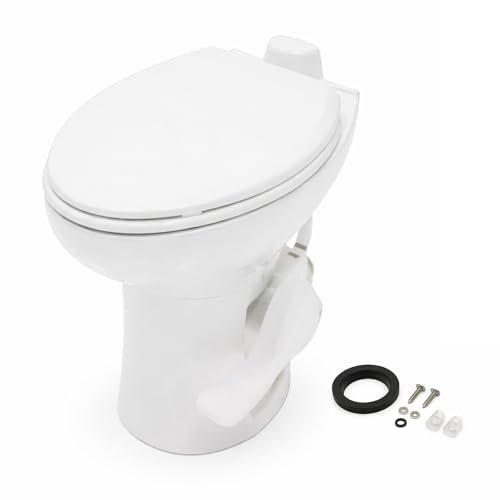
The SEAFLO SFRTCH-02-01 brings genuine porcelain to the RV bathroom. The elongated ceramic bowl resists staining, odor retention, and mineral buildup far better than any plastic alternative. The non-porous surface wipes clean with minimal effort — a significant hygiene advantage for full-time RVers. At 19 inches of seat height, it meets standard residential dimensions.
SEAFLO pairs the ceramic bowl with a lightweight plastic base, keeping total weight reasonable while delivering the premium feel of porcelain where it matters most. The gravity flush system features adjustable water flow, allowing owners to dial in the optimal balance between flush strength and water conservation. The foot-pedal operation is smooth and responsive. The soft-close seat rounds out the residential experience.
The 4-year limited warranty is the longest coverage in this roundup. That warranty reflects confidence in the product's durability — ceramic bowls outlast plastic by years when properly maintained. The main drawback is weight: ceramic adds several pounds compared to all-plastic units. Installation on older RV floors may require verifying structural support. Overall dimensions of 20.51 x 14.17 x 19 inches fit most standard RV toilet compartments.
Pros:
Cons:

The Aqua Magic Style Plus delivers a genuine china bowl in a package designed specifically for RV use. China construction provides the same stain-resistance and easy-clean benefits as the SEAFLO above but in Thetford's well-established platform. The 17.5-inch seat height is higher than standard models, reducing strain for users with mobility concerns. The full-size residential seat accepts aftermarket replacements for customization.
Aesthetically, the Style Plus looks more like a household fixture than a typical RV toilet. The contemporary styling blends with modern RV interiors. The china surface cleans easily with standard bathroom cleaners — no need for specialized RV toilet chemicals for basic maintenance. The flush mechanism uses Thetford's proven gravity system with reliable ball-valve sealing.
Weight is the trade-off. China bowls add considerable heft compared to polypropylene. The Style Plus is best suited for motorhomes and fifth-wheels where floor structure can handle the extra load. For lighter travel trailers, one of the plastic-bowl options above may be more appropriate. That said, for buyers who want ceramic quality from a trusted RV brand, this is the pick.
Pros:
Cons:

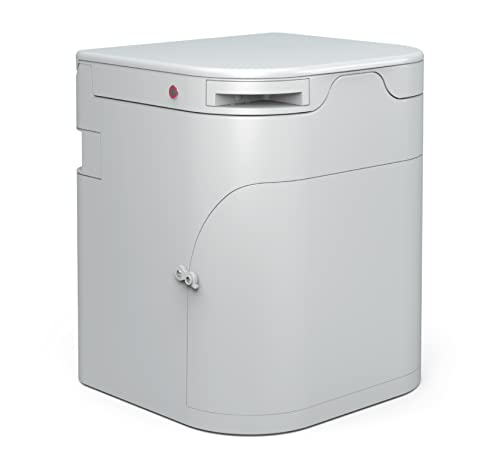
The OGO Origin represents the next generation of composting toilets for the van life and tiny home market. Its 15 x 16-inch footprint is the smallest in the composting category — it fits in Sprinter and Transit van builds where Nature's Head and other side-crank models simply will not work. The electric 12V agitator replaces the manual crank handle entirely. One button press mixes the solids chamber. No hand-cranking, no mess.
The urine-diverting design separates liquids into a 2.4-gallon bottle while solids remain in the rear bin. This separation is what eliminates the black tank and the sewage odor that comes with it. The solids bin handles approximately 25 to 30 uses before needing to be emptied. The liquids bottle is easily detached and poured. Zero water consumption makes the OGO ideal for boondocking, dispersed camping, and off-grid living where freshwater is precious.
The OGO carries a premium price tag — significantly more than any gravity-flush toilet on this list. The 12V motor requires a power connection, adding a minor wiring step to installation. A small exhaust fan (sold separately by most users) is recommended for optimal moisture and odor control. Despite the cost, for buyers committed to eliminating the black tank from their rig, the OGO Origin is the most compact and user-friendly composting toilet available in 2026. Those outfitting a van or RV for extended off-grid trips should also consider a solid WiFi booster for RV to stay connected while remote.
Pros:
Cons:

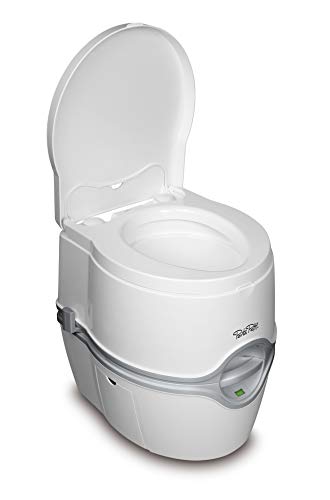
The Porta Potti 565E Curve serves a different market than the permanent-mount toilets above. It is a fully portable, self-contained unit with a 15-liter freshwater tank and a separate waste-holding tank. No plumbing connection required. No floor bolts. Pick it up, place it where needed, and it works. The electric flush (battery-powered) provides consistent water pressure without manual pumping.
The waste-holding tank includes a level indicator display — a critical feature that prevents the unpleasant surprise of an overfull tank. Dimensions of 448 x 388 x 450 mm keep the unit compact enough for tent camping, boat cabins, and emergency backup use. The curved contemporary design is a visual upgrade from older boxy portable toilets.

The 565E is not a replacement for a permanent RV toilet. Capacity is limited, and frequent emptying is required during extended use. The seat height is lower than permanent-mount models. However, for truck campers without built-in bathrooms, tent glamping setups, or as a secondary toilet in a large motorhome, the Porta Potti 565E is the most refined portable option on the market.

Pros:
Cons:
The first decision is which type fits the rig and travel style. Gravity-flush toilets connect to a black tank and use water with each flush. They are the standard for motorhomes, fifth-wheels, and travel trailers with existing plumbing. Composting toilets eliminate the black tank entirely — ideal for van builds, tiny homes, and off-grid setups. Portable cassette toilets need no installation at all and work anywhere.
Bowl material directly affects cleaning ease, stain resistance, and weight. Polypropylene plastic is the lightest and most affordable but stains more readily. Porcelain and china bowls resist staining and odor absorption. They clean faster and last longer. The trade-off is weight — ceramic bowls add several pounds, which matters in lightweight trailers and pop-ups.
Water efficiency matters most for boondockers and dry campers. The Dometic 310 leads this roundup at one pint per flush. Most gravity-flush RV toilets use 1 to 1.5 pints. Composting toilets use zero water. For travelers who camp primarily at full-hookup sites, water consumption is less critical — flush power and bowl coverage take priority. Triple-jet and multi-port rinse systems generally outperform single-jet designs.
RV toilet seat heights range from roughly 15 inches (standard) to 19+ inches (high profile/residential). Taller users and those with knee or hip issues should target models above 17 inches. The tools section has additional RV upgrade guides. High-profile models also tend to have wider, more comfortable seats. Slow-close mechanisms prevent slamming and reduce noise — a meaningful comfort upgrade for nighttime use in close quarters. Full-size residential seats accept standard aftermarket replacements, expanding customization options.
Gravity-flush toilets rely on water weight and gravity to move waste through a ball valve into the black tank. Macerating toilets use an electric blade to grind waste before pumping it to the tank, allowing flexible plumbing routing. All seven toilets in this roundup are gravity-flush or non-flush (composting/portable). Macerating models cost significantly more and require a 12V power connection.
Most manufacturers recommend inspecting the ball valve seal annually. Replace it when visible cracking, hardening, or persistent odor leaks occur — typically every 2 to 5 years depending on usage and climate. Hot, dry climates accelerate seal degradation. Applying a thin layer of plumber's grease during inspection extends seal life.
Yes. Composting toilets like the OGO Origin bolt to the floor using the same footprint as many gravity-flush models. The black tank connection is capped or removed. A small 12V exhaust fan vents moisture through a wall or floor port. The main consideration is ensuring adequate ventilation and access to the solids bin for emptying.
For full-timers and frequent travelers, porcelain is worth it. The non-porous surface resists staining and odor absorption, reduces cleaning time, and lasts significantly longer than plastic. For weekend warriors with a lightweight travel trailer near its GVWR limit, the extra 10 to 15 pounds of ceramic may not be justified.
Most gravity-flush RV toilets use between 1 and 1.5 pints per flush. The Dometic 310 Series achieves one pint per flush — the lowest in this category. Composting and portable toilets either use zero water or rely on a small onboard freshwater tank. For comparison, residential toilets use 1.6 gallons (12.8 pints) per flush.
Use enzyme-based or bio-active holding tank treatments rather than formaldehyde-based chemicals. Enzyme treatments break down waste and toilet paper more effectively, reduce odor naturally, and are safer for dump stations and the environment. Avoid household bleach and harsh cleaners, which can damage ball valve seals and degrade tank sensors.
The right RV toilet depends on travel style, rig type, and how much time is spent off-grid. For most RV owners, the Thetford Aqua Magic Bravura offers the best balance of price, weight, and performance. Boondockers should look hard at the Dometic 310 for water savings or the OGO Origin for complete black tank elimination. Pick the model that matches the rig's plumbing, the travel schedule, and the comfort standards that make life on the road feel like home — then stop thinking about toilets and start planning the next trip.
 |
 |
 |
 |

About Joshua Thomas
Joshua Thomas holds a Bachelor of Science in Mechanical Engineering from San Diego State University and has spent years applying that technical foundation to hands-on automotive work — from routine maintenance to full mechanical repairs. He founded CarCareTotal in 2017 to give car owners the kind of clear, practical guidance that helps them understand what is happening under the hood and make smarter decisions about upkeep and repairs. At CarCareTotal, he oversees editorial direction and covers automotive fundamentals, maintenance guides, and troubleshooting resources for everyday drivers.
Get some FREE car parts & gear.. Or check out the latest free automotive manuals and build guides here.
Disable your ad blocker to unlock all the hidden deals. Hit the button below 🚗
| | | |
