Interior ›
by Rachel Park
A parked car's dashboard can reach 172°F (78°C) within one hour on a 95°F summer day, according to research published in the journal Pediatrics. That level of heat cracks leather, warps plastic trim, and fades upholstery at an accelerated rate. The best windshield sun shades block solar energy before it converts to cabin heat — protecting the entire interior with a single, low-cost product. Drivers who use sun shades consistently report cooler steering wheels, preserved dashboard finishes, and significantly faster cabin cool-down times. For a broader approach to cabin care, explore CarCareTotal's interior protection guides.
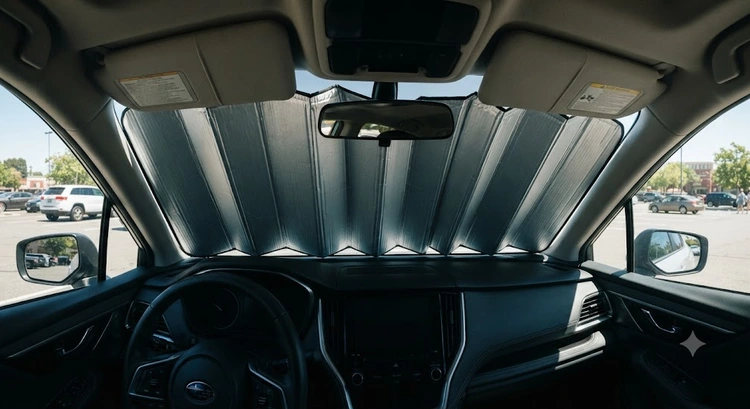
Windshield sun shades are available in multiple materials, sizes, and folding styles. Each design balances heat rejection, ease of storage, and price differently. The right choice depends on vehicle size, parking habits, and local climate. Budget options perform adequately for occasional use. Custom-fit and multi-layer shades deliver measurably better results for drivers in hot climates or those who park outdoors daily.
This guide compares top-performing models across price tiers, breaks down key material differences, and provides a step-by-step fit and installation guide. It also covers the most common problems drivers encounter and how to extend shade lifespan through smarter long-term habits.
Contents
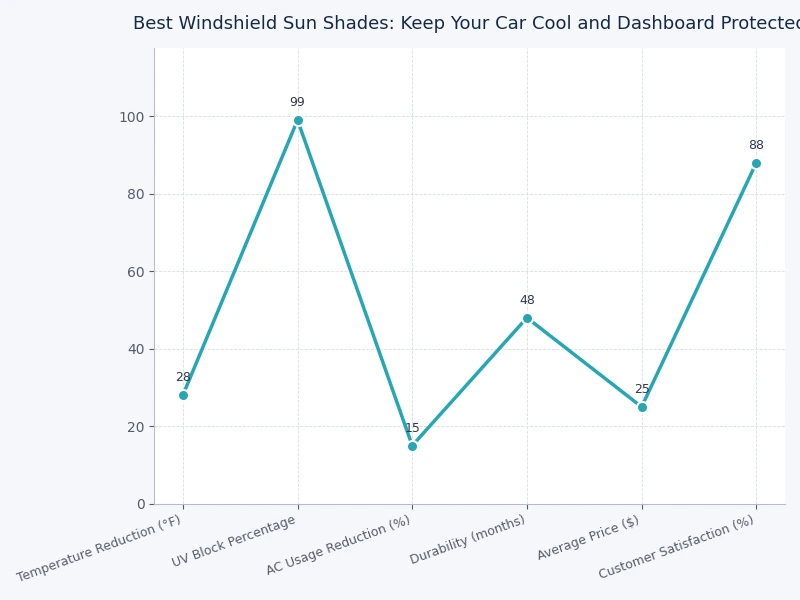
The table below compares six widely available windshield sun shades across the metrics that matter most: material, coverage style, storage format, UV rejection, and typical price range. All listed models are designed for full windshield coverage.
| Product | Material | Storage Style | UV Rejection | Price Range | Best For |
|---|---|---|---|---|---|
| Covercraft UVS100 | Proprietary multilayer | Foldable | 99%+ | $45–$85 | Daily drivers, custom fit |
| WeatherTech TechShade | Metalized polyester | Foldable | 99% | $45–$75 | Precise fit, hot climates |
| Heatshield Products Intro-Shield | Quilted insulation | Roll-up | 95%+ | $55–$95 | Extreme heat, desert regions |
| EcoNour Windshield Sun Shade | 210T polyester + foil | Foldable | 97% | $15–$30 | Budget buyers, occasional use |
| Enovoe Windshield Sun Shade | Double-bubble foil | Foldable | 98% | $20–$35 | Compact cars, easy storage |
| Auto-Shade Accordion Fold | Aluminized foil laminate | Accordion | 90%+ | $10–$20 | Occasional use, tight budgets |
Custom-fit models from Covercraft and WeatherTech consistently outperform universal-fit shades in coverage accuracy. A poorly fitting shade can leave 20–30% of the windshield exposed, significantly undermining heat rejection performance regardless of material quality. For most vehicles, the fitment gap alone justifies upgrading to a vehicle-specific model.
Sun shades are not all built the same. Material composition, construction quality, and fit method create measurable performance gaps between entry-level and premium models. Understanding these differences helps drivers match a shade to their actual situation.
Basic sun shades — typically priced under $25 — use single-layer aluminized polyester or bubble foil. They reflect solar radiation adequately but offer limited insulation depth. Key characteristics:
For drivers who park indoors most of the time, entry-level shades deliver acceptable protection at minimal cost. The tradeoff is fit accuracy and durability over time.
Pro tip: Even a basic foil shade can reduce dashboard surface temperatures by up to 40°F compared to no shade at all — the key is consistent daily use, not just premium materials.
Premium sun shades use multi-layer construction: an outer reflective surface, an insulating middle layer, and a soft inner liner that protects the dashboard from scratches. Benefits include:
Brands like Covercraft offer vehicle-specific patterns covering hundreds of makes and models. WeatherTech's TechShade uses precision die-cut metalized polyester for comparable coverage accuracy. The cost difference over five years — weighed against replacing a faded dashboard or cracked plastic trim — typically favors the premium purchase.
Drivers protecting a full cabin benefit from layering multiple products. Combining the best windshield sun shades with quality steering wheel covers and all-weather floor mats creates a more complete interior defense against UV and heat damage.
Correct sizing is the most common failure point with windshield sun shades. A shade that is too small leaves heat-admitting gaps. One that is too large won't sit flat and may restrict the driver's sightline when being removed.
Three measurements determine the appropriate shade size:
Most manufacturers provide fitment guides searchable by year, make, and model. Using a vehicle-specific lookup tool on brand websites is more reliable than measuring alone — particularly for trucks, SUVs, and vehicles with non-standard windshield geometry.
According to ultraviolet radiation research (Wikipedia), UV-A and UV-B rays penetrate standard automotive glass and degrade both organic materials and plastics over time — reinforcing the importance of consistent, gap-free windshield coverage.
Proper installation takes under two minutes. Follow these steps for best results:
Roll-up shades used in quilted insulation models require securing with the included retention straps or clips at each visor position. The same attention to gap-free coverage applies when fitting seat covers — this guide on installing car seat covers details techniques for a tight, wrinkle-free fit across multiple interior protection layers.
Windshield sun shades range from under $10 to over $100. Price correlates with material quality, fit precision, and projected service life. The breakdown below reflects typical retail pricing across major online marketplaces.
For context, dashboard replacement on a mid-size sedan typically costs $800–$2,000 at a dealership. A $65 premium sun shade, used consistently over several years, can prevent the UV and heat exposure that triggers that repair in the first place.
Even well-chosen sun shades encounter issues. Most problems fall into two categories: fit and coverage failures, or durability and storage problems. Both are largely preventable with the right approach from the start.
The most frequent complaint is that the shade fails to cover the full windshield. Common causes include:
Solutions:
Warning: Never use a sun shade that partially blocks the driver's rearview sightline — always confirm the shade sits fully above the dashboard level before leaving the vehicle unattended.
Common durability issues with windshield sun shades include:
Extending shade life requires consistent handling habits:
Heat-related interior damage that does occur — including stained or cracked seat materials — can often be addressed after the fact. The best car carpet stain removers and the related step-by-step car seat stain removal guide cover targeted remediation options for heat-accelerated interior wear.
A sun shade used only in summer provides incomplete protection. UV radiation and thermal damage occur year-round in most climates, particularly at midday. A consistent, all-season strategy delivers the best return on investment.
In regions with heavy snowfall, waterproof dual-purpose frost and sun shields provide added utility. These models feature a water-resistant outer surface with an insulating inner layer designed for year-round deployment.
A windshield sun shade is one layer of a broader interior protection system. For comprehensive coverage:
For vehicles where exterior surfaces have already sustained UV oxidation or light surface damage, addressing those issues early prevents further deterioration. The best car scratch removers guide covers options relevant to paint and trim surfaces that prolonged sun exposure can compromise.
Vehicles with well-maintained interiors command 10–20% higher resale values compared to equivalent models with sun-damaged dashboards and faded upholstery, according to used-car valuation specialists. A windshield shade, used consistently over years of ownership, is among the highest-return interior investments available.
Yes. Research shows that a reflective windshield sun shade can reduce interior temperatures by 30–50°F on hot days. Dashboard surface temperatures — which can exceed 172°F without protection — typically drop to 100–115°F with a quality shade installed. The difference is noticeable immediately upon entering the vehicle.
Multi-layer proprietary materials — such as Covercraft's UVS100 fabric and WeatherTech's metalized polyester — deliver the highest heat rejection, typically 95–99%+ UV blocking. Single-layer aluminized foil provides meaningful protection but trails multi-layer options in both insulation depth and long-term durability.
Most shades rely on the sun visors to hold them in position. The shade is pressed flat against the glass and both edges are tucked behind each visor. Some roll-up styles include elastic retention straps or spring clips. No adhesives, suction cups, or permanent attachments are used in standard windshield sun shade installation.
A shade with a hard or abrasive inner surface can scratch the defrost grid if dragged across it during removal. Most premium shades include a soft fleece or felt inner liner specifically designed to prevent contact damage. Budget foil shades should be lifted and folded carefully, not slid, across the defrost line area.
Most sedans and compact SUVs fit standard sizes in the 58–64 inch width range. Full-size pickups, large SUVs, and minivans typically require a jumbo or XL size at 68 inches or wider. Vehicle-specific fitment lookup tools on manufacturer websites remain the most reliable sizing method, more accurate than generic measurement guides.
For daily drivers in hot climates, the answer is generally yes. Custom-fit shades eliminate the coverage gaps that reduce a universal shade's heat rejection by 20–30%. The price premium — typically $25–$50 more than a comparable universal shade — is offset by improved performance and a longer service life. Occasional or seasonal users may find a mid-range universal model sufficient.
Yes, and many drivers use them this way regularly. When placed against the inside of the windshield on freezing nights, sun shades reduce frost and ice accumulation on the glass, cutting morning defrost and scraping time. Some models are marketed specifically as combination sun and frost shields, with a water-resistant outer layer for added winter utility.
 |
 |
 |
 |

About Rachel Park
Rachel Park specializes in the interior and exterior upgrades that meaningfully change how a car looks, sounds, and feels on a daily basis. She has hands-on experience with head unit installations and audio system builds, LED and HID lighting conversions, interior refresh projects, and cosmetic exterior work — evaluated from both a DIY accessibility and quality-of-result perspective. At CarCareTotal, she covers car audio and electronics, lighting upgrades, and interior and exterior styling accessories.
Get some FREE car parts & gear.. Or check out the latest free automotive manuals and build guides here.
Disable your ad blocker to unlock all the hidden deals. Hit the button below 🚗
| | | |
