How to Protect Car Upholstery: Fabric vs. Leather Care Tips
by Rachel Park
What separates a cabin that still looks showroom-fresh at 100,000 miles from one that's cracking, fading, and stained by 40,000? Knowing how to protect car upholstery — and maintaining a consistent routine. The approach differs significantly between fabric and leather. Each material has specific vulnerabilities, specific enemies, and specific products that actually work. For a comprehensive look at all things cabin care, browse the CarCareTotal interior guides.
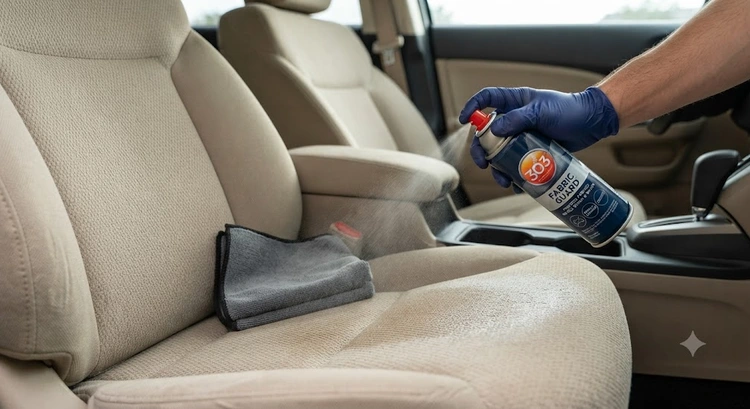
Figure 1 — Fabric and leather upholstery both require regular maintenance, but the products and methods differ significantly by material type.
UV exposure, body oils, food spills, and abrasion are constant threats. Fabric absorbs moisture and odors readily. Leather dries, cracks, and fades without regular conditioning. Both materials deteriorate faster when owners rely on reactive cleaning instead of proactive protection.
This guide breaks down the tools, techniques, and schedules that keep upholstery in long-term good condition — whether the seats are woven polyester, premium nappa leather, or anything in between. Readers dealing with existing damage should also consult this guide on how to remove stains from car seats for targeted stain removal tactics before applying protective treatments.
Most cabin surfaces fail not from one dramatic incident but from cumulative, low-level abuse. Understanding the mechanisms helps target the right defenses.
Primary Degradation Factors
UV radiation — breaks down dye bonds in fabric and depletes leather's natural oils, causing fading and surface cracking.
Body oils and sweat — transfer directly to headrests and seat bolsters, gradually breaking down surface coatings and fabric fibers.
Abrasion — repeated entry and exit cycles grind fabric and scuff leather at the highest wear points: bolsters, seat edges, headrests.
Moisture and humidity — enable mold growth in fabric; cause leather to stiffen and crack when it dries unevenly after saturation.
Heat cycling — seats expand and contract with temperature swings, accelerating micro-fractures in coatings and seam stress in stitching.
Parking habits matter more than most owners realize. Vehicles left in direct sun can reach cabin temperatures above 160°F on hot days. That level of heat accelerates every degradation pathway simultaneously. Using a quality windshield shade — see the CarCareTotal roundup of best windshield sun shades — cuts cabin temperatures significantly and reduces UV load on all seating surfaces.
High-mileage commuters and rideshare operators face faster wear than weekend drivers simply because contact time accumulates. Fleet vehicles often show seat wear in 18 months that a private owner might not see in six years.
Fabric vs. Leather: Material Properties at a Glance
The seat material is usually chosen at purchase, not by the detailer. But knowing each material's properties informs a more targeted protection strategy. For a deeper breakdown of seat covering alternatives, the guide on seat cover materials covers neoprene, canvas, and leather variants in detail.
Fabric Characteristics
Absorbs liquids quickly — spills must be addressed within seconds, not minutes.
Traps pet hair, dust, and particulate matter in fibers and seam channels.
More breathable than leather in warm conditions; less prone to that sticky surface-contact feel.
Responds well to fluorocarbon-based fabric protectants like Scotchgard.
Harder to restore once deeply stained, mildewed, or structurally compressed.
Leather Characteristics
Non-porous surface resists initial liquid penetration — but requires regular conditioning to stay flexible.
UV exposure causes dye fade and surface cracking without a UV-blocking topcoat.
Genuine leather versus PU/bonded leather behaves very differently: genuine ages well; bonded peels within 2–4 years without maintenance.
Requires pH-neutral cleaners; alkaline products strip the protective clear coat applied at the factory.
Higher perceived value in resale, but a higher maintenance ceiling to keep it looking that way.
Property
Fabric
Genuine Leather
PU / Bonded Leather
Liquid resistance
Low — absorbs within seconds
Moderate — surface repels briefly
High — fully non-porous
UV sensitivity
Moderate fading
High — fades and cracks
High — surface peeling
Breathability
High
Low to moderate
Low
Conditioning frequency
Protectant every 3–6 months
Full cycle every 4–8 weeks (hot climates)
Light cleaning every 1–2 months
Durability ceiling
8–12 years with care
15–25 years with care
3–6 years maximum
Recommended products
Enzyme cleaners, fluorocarbon protectant
pH-neutral cleaner, lanolin conditioner, UV spray
Mild soap solution, UV protectant only
The Right Products and Tools for Every Upholstery Type
Using the wrong product on the wrong material causes irreversible damage. The toolkit for fabric differs meaningfully from leather care.
Fabric Seat Tools
Wet/dry shop vac with upholstery attachment — removes loose debris before any liquid cleaning begins.
Stiff-bristle upholstery brush — agitates protectant and loosens embedded dirt from fiber weave.
Enzyme-based fabric cleaner — breaks down organic stains including food, sweat, and pet waste at the molecular level.
Fluorocarbon-based fabric protectant spray — creates a hydrophobic barrier that causes liquids to bead rather than absorb.
Microfiber towels — for blotting only; never scrubbing.
Portable steam cleaner — sanitizes and lifts set stains without oversaturating the foam beneath the upholstery.
Leather Care Tools
pH-neutral leather cleaner — Chemical Guys Leather Cleaner, Meguiar's Gold Class, and similar pH-balanced formulas.
Horsehair detailing brush — lifts surface grime from stitching and pores without scratching the leather surface coating.
Leather conditioner — Lexol, Leather Honey, and lanolin-based equivalents restore suppleness and prevent micro-cracking.
UV-blocking leather protectant — adds a topcoat that reflects solar radiation and extends conditioning intervals.
Foam applicator pads — ensure even conditioner distribution without oversaturation.
Fine-grade detailing clay — removes embedded contamination on high-end leather before conditioning; treat as a quarterly step, not a standard one.
How to Protect Car Upholstery: Fabric Seat Protocols
Fabric protection rests on two pillars: consistent cleaning before buildup occurs, and timely reapplication of protectant before the previous coat wears through.
Regular Cleaning Routine
Vacuum thoroughly with a crevice tool — pay special attention under seat cushion edges and along seam channels where grit accumulates.
Pre-treat visible stains with enzyme cleaner; allow 3–5 minutes dwell time for the formula to break down the stain.
Agitate with an upholstery brush using circular strokes; avoid straight back-and-forth motion that can push stains deeper.
Blot — never rub — with a clean, dry microfiber towel to lift stain and cleaner residue.
Allow fabric to dry completely before applying protectant. In humid conditions, use a portable fan or cabin ventilation to accelerate drying.
Vacuum once more after drying to lift any loosened debris drawn to the surface during cleaning.
Applying Fabric Protectant
Confirm fabric is completely clean and bone-dry — moisture under protectant traps it and prevents proper bonding.
Hold spray can 6–8 inches from the surface; apply even, overlapping passes in one direction.
Allow the first coat to dry for 20–30 minutes; apply a second coat at 90 degrees to the first for complete coverage.
Do not touch or sit on treated fabric for at least 2 hours post-application.
Reapply every 3–6 months, or immediately following any steam cleaning treatment.
Pro tip: Always apply fabric protectant in a ventilated space — solvent-based formulas release fumes that concentrate quickly in a closed cabin and can cause dizziness or eye irritation.
Leather Seat Maintenance: Conditioning, Cleaning, and UV Defense
Leather care is not a one-product job. Cleaning, conditioning, and UV protection are three distinct steps that each address a different failure mode. Skipping any one measurably shortens the leather's service life.
Cleaning Leather
Vacuum loose debris first, especially from seat seams — grit trapped in seam channels acts as a continuous abrasive against the leather surface from below.
Spray pH-neutral cleaner onto a foam applicator or horsehair brush — not directly onto the leather — to control application volume.
Work in small sections (roughly 12" × 12") using light circular strokes to lift surface contamination without spreading it.
Wipe away residue immediately with a clean microfiber towel before it dries on the surface.
Let the leather dry naturally for 10–15 minutes before moving to conditioning.
Avoid saddle soap on automotive leather. It is formulated for thick harness leather, not the thin, factory-coated surfaces in modern vehicles. It strips the clear coat and accelerates cracking.
Conditioning and UV Protection
Apply conditioner with a foam pad using light, even strokes across the grain direction of the leather.
Allow conditioner to absorb for 15–20 minutes — extend dwell time in dry or high-heat climates where leather oil depletion is most severe.
Buff off excess with a clean microfiber towel. Residue left behind attracts dust and can transfer to clothing.
Apply UV-blocking protectant as a topcoat over conditioned leather — this is the layer that prevents solar fading and reduces conditioning frequency.
Repeat the full clean-condition-protect cycle every 4–8 weeks in hot climates; every 8–12 weeks in temperate regions.
According to the U.S. Environmental Protection Agency, degraded interior materials can off-gas compounds that affect cabin air quality — a reminder that cracking and peeling leather is more than an aesthetic issue.
Upholstery Mistakes That Accelerate Wear
These errors are widespread. Most are straightforward to avoid once identified.
Using all-purpose cleaners (APCs) on leather — alkaline pH strips the factory protective coating within a few applications; pH-neutral formulas only.
Rubbing spills instead of blotting — rubbing spreads stains laterally and drives liquid deeper into fiber or leather pores, compounding the damage.
Conditioning dirty leather — locks in surface grime and accelerates breakdown rather than preventing it; always clean first.
Over-saturating fabric during cleaning — excess moisture penetrates to the foam beneath the upholstery, promoting mold and mildew growth that cleaning alone cannot reverse.
Skipping UV protection — solar damage is cumulative and irreversible. Faded leather cannot return to original color without professional dye restoration.
Using paper towels on leather — the wood pulp fibers create micro-scratches on leather surface coatings that accumulate over time into visible dullness.
Ignoring perforated leather sections — holes collect conditioner buildup if application is too heavy; use a lighter touch and avoid oil-heavy formulas that pool in perforations.
Waiting for visible damage before starting protection — reactive restoration costs 10–30× more than preventive maintenance applied before degradation begins.
Pro-Level Tricks for Lasting Upholstery Protection
Seat Covers as a First Line of Defense
Quality seat covers installed correctly extend seat life by years on high-use vehicles. The tradeoff is aesthetics — poorly fitted covers slip, bunch, and create their own pressure points. For installations that look clean and hold position, the walkthrough on how to install car seat covers covers fitment techniques across multiple cover types and seat configurations.
Neoprene covers: best for wet climates, water sports users, and anyone who frequently eats in the vehicle.
Leatherette: holds up well in hot climates; far easier to wipe clean than fabric covers.
Canvas: maximum durability for work trucks, off-road vehicles, and agricultural use where abrasion is extreme.
Odor Management Alongside Upholstery Care
Persistent odor is usually a symptom of upholstery neglect — mold, bacterial buildup in fabric fibers, or foam saturation from repeated over-wetting. Masking with air fresheners addresses the symptom without treating the cause.
Enzyme cleaners eliminate odor-causing bacteria at the source rather than covering the smell.
Ozone generators neutralize deep-set odors in fabric that surface cleaning cannot reach.
For comprehensive odor elimination strategies, the guide on how to get rid of bad car odors covers both short-term and permanent remediation methods.
Climate-Specific Adjustments
Hot, sunny climates — condition leather every 4 weeks; use ceramic-coated UV sprays that extend protection windows versus standard waxes.
Cold, wet climates — prioritize moisture-wicking and mold prevention for fabric; condition leather more frequently in winter to prevent cold-induced stiffening and seam brittleness.
Arid climates — leather dries fastest here. Some detailers run a second conditioning pass during peak summer months on vehicles without ventilated seats.
High-altitude environments — intensified UV index at elevation accelerates both fabric fading and leather oil depletion; shorten conditioning intervals accordingly.
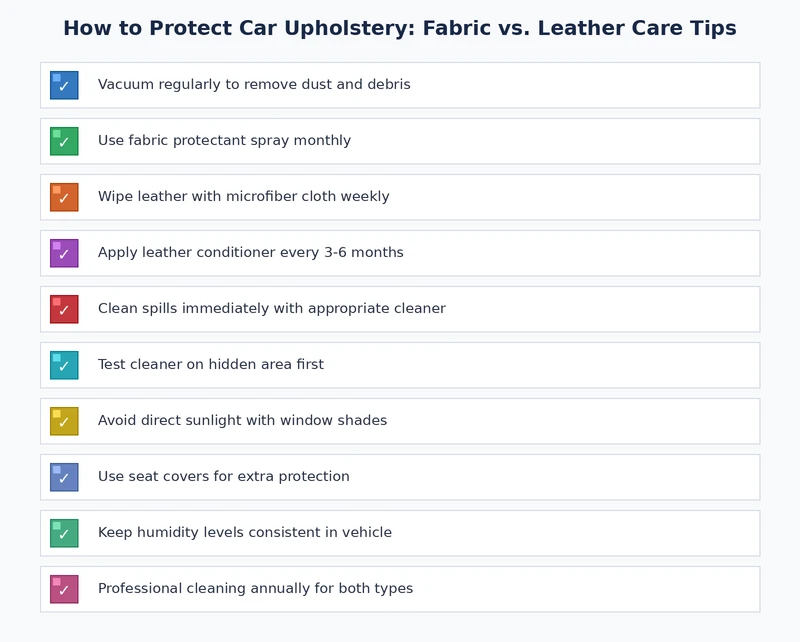
Figure 2 — Quick-reference checklist for fabric and leather upholstery protection routines, organized by material type and maintenance interval.
Entry-Level vs. Advanced Protection Schedules
Protection needs scale with vehicle value, usage intensity, and owner expectations. A daily commuter and a weekend collector require meaningfully different routines.
Beginner Schedule (Minimum Effective Maintenance)
Designed for owners who want consistent protection without complexity or long sessions.
Monthly: vacuum all seating surfaces; spot-clean any visible stains immediately.
Every 3 months (fabric): full enzyme clean plus fresh coat of fabric protectant.
Every 3 months (leather): pH-neutral clean, conditioner, and UV protectant topcoat.
Immediately after any spill: blot liquid before it penetrates; treat with appropriate cleaner within the hour.
Seasonally: check seat seams and high-wear bolsters for early signs of abrasion or stitching stress.
Advanced Schedule (Detailer-Level Protocol)
For concours vehicles, rideshare operators, or owners with leather in harsh climates where degradation timelines compress significantly.
Weekly: vacuum and wipe down all contact surfaces with a damp microfiber; remove body oil transfer before it penetrates coatings.
Monthly: full leather clean-condition-protect cycle; inspect perforated sections for product buildup.
Every 6 months (leather): apply ceramic coating over conditioned leather for an extended UV protection window and dramatically improved liquid resistance.
Quarterly (fabric): steam clean plus enzyme treatment plus full reapplication of fabric protectant.
Bi-annually: inspect seat seams and bolster wear points with a flashlight; address stitch failures before foam is exposed.
As needed: clay bar treatment on leather before conditioning to remove embedded surface contamination on high-use seats.
Advanced users often combine physical protection — quality seat covers, all-weather floor liners — with chemical protection. The layered approach provides redundancy: one layer degrading does not mean total exposure to the underlying material.
What Proper and Neglected Upholstery Looks Like Over Time
Abstract advice is easier to apply with concrete reference points across vehicle types.
Rideshare / High-Mileage Vehicle
Without protection: seat bolsters worn through to foam by 80,000 miles; fabric stained and odorous by 30,000 miles. Resale value drops substantially.
With protection: waterproof neoprene seat covers plus quarterly enzyme cleaning plus odor treatment. Seats retain structural integrity and neutral odor well past 150,000 miles.
Classic / Collector Vehicle in Storage
Without protection: leather hardens and cracks from lack of conditioning within 12–24 months; fabric develops mildew from trapped humidity even with no active use.
With protection: leather conditioned every 8 weeks even in storage; breathable car cover prevents moisture trapping. Original leather maintained this way can remain supple for decades.
Family SUV in a Hot Climate
Without protection: perforated leather fades and begins cracking by year 3; fabric variants develop permanent food stains within the first two years of family use.
With protection:windshield sun shade plus quarterly conditioning keeps leather supple through Arizona and Texas summers. Fabric treated every three months sheds spills that would otherwise set permanently within hours.
Work Truck / Contractor Vehicle
Without protection: heavy-duty fabric shows compression and abrasion at entry points by 40,000 miles; grit carried in by work boots acts as continuous embedded abrasive.
With protection: canvas seat covers plus regular vacuuming removes abrasive particulate before it embeds; bolt-in rubber floor liners prevent wet debris from migrating to seat bases and foam understructure.
Frequently Asked Questions
How often should leather car seats be conditioned?
In hot or arid climates, every 4–6 weeks. In mild climates, every 8–12 weeks is typically sufficient. Heat and UV exposure accelerate oil loss from leather; conditioning frequency should increase proportionally with climate severity.
Can fabric protectant be applied over dirty fabric?
No. Protectant bonds to fiber surfaces. Applying it over embedded dirt or stains seals contamination in and reduces adhesion. Always clean thoroughly and allow complete drying before application.
Does leather conditioner expire?
Most formulas remain usable for 2–4 years when stored in a cool, dark, sealed environment. Conditioner that has separated, thickened abnormally, or developed an off-smell should be replaced rather than applied to seats.
Is vinyl treated the same as genuine leather?
Not exactly. Vinyl is non-porous and does not require conditioning in the same way genuine leather does. It benefits from UV protectants and gentle cleaning, but genuine leather conditioners can leave unabsorbed residue on vinyl surfaces. Use vinyl-specific products for best results.
What is the best approach for upholstery in a pet-friendly vehicle?
Waterproof seat covers that extend over both the seat back and seat bottom are the first layer of defense. Enzyme cleaners address dander and pet odor at the bacterial level. Regular vacuuming with a rubber-tipped pet hair attachment removes embedded fur before it works into seams and begins acting as an abrasive against stitching.
Next Steps
Identify the exact upholstery type in the vehicle — genuine leather, PU/bonded leather, or fabric — and purchase the correct cleaning and protection products before starting any treatment.
Perform a full cleaning cycle this week: vacuum all seating surfaces, spot-treat any visible stains, and allow complete drying before applying any protectant or conditioner.
Install a windshield sun shade and evaluate quality seat covers for any vehicle used daily — adding a physical protection layer reduces the burden on chemical treatments and extends intervals between full conditioning sessions.
Set a recurring calendar reminder for the next conditioning or protectant reapplication: every 4–6 weeks for leather in hot climates, every 8–12 weeks in mild regions, and every 3–6 months for fabric seating.
Revisit the CarCareTotal interior section for further guidance on cabin maintenance, including floor mat protection, odor control, and seat cover selection tailored to specific use cases.
Rachel Park specializes in the interior and exterior upgrades that meaningfully change how a car looks, sounds, and feels on a daily basis. She has hands-on experience with head unit installations and audio system builds, LED and HID lighting conversions, interior refresh projects, and cosmetic exterior work — evaluated from both a DIY accessibility and quality-of-result perspective. At CarCareTotal, she covers car audio and electronics, lighting upgrades, and interior and exterior styling accessories.