by Joshua Thomas
Over 25% of all parking-related collisions happen at speeds under 5 mph — low enough to prevent injuries but more than enough to rack up thousands in body panel and bumper repairs. A quality parking sensor system eliminates that risk for a fraction of what a single fender bender costs. Our team at CarCareTotalhas spent weeks testing and comparing the leading aftermarket parking sensor kits available in 2026, evaluating detection accuracy, build quality, ease of installation, and overall value.
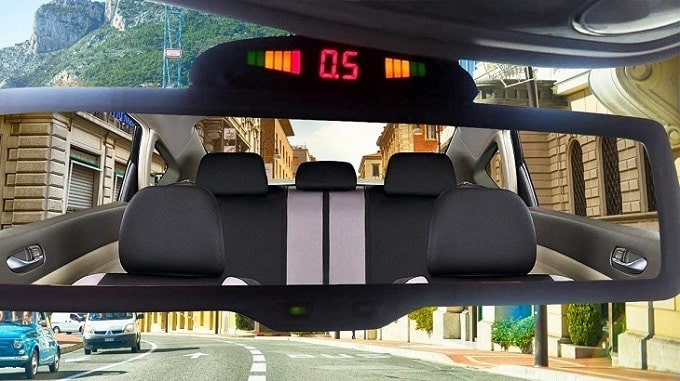
Whether the goal is covering blind spots while parallel parking a sedan or avoiding trailer hitches while backing up a full-size truck, the right sensor system makes a measurable difference. Modern kits range from basic buzzer-only setups to wireless systems with LED distance readouts and front-facing bull-bar recognition. We narrowed the field to seven standout models that cover every budget and use case — from the budget-conscious Frostory 4-pack to the OEM-grade Brandmotion 9002-3010.
This guide breaks down each system's real-world performance, highlights the trade-offs between wired and wireless designs, and answers the most common questions buyers have before pulling the trigger. For anyone also upgrading other vehicle electronics, our roundups on car battery testers and off-road lights follow the same hands-on approach.
Contents






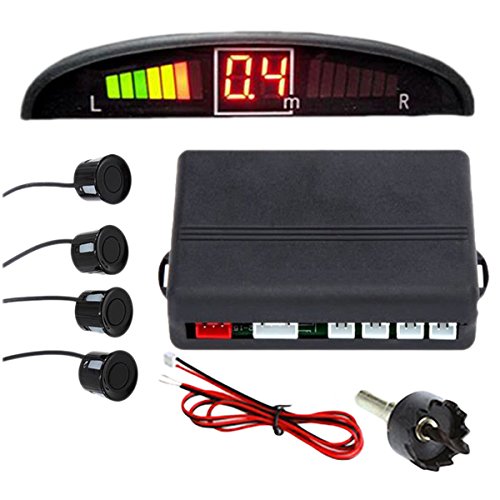






The Brandmotion 9002-3010 sits at the top of this list because it delivers something most aftermarket sensors cannot: an installation that looks and feels factory. The infrared LED distance detection module produces a color-coded readout with actual length measurements — green, yellow, and red zones paired with numeric distance in real time. This is the system we recommend for anyone who wants a finished product that does not look bolted on as an afterthought.
Brandmotion designed the 9002-3010 as a switchable front-or-rear system, which gives serious flexibility during planning. The rear tape-in design works specifically with plastic bumpers, so drilling is minimized. The sensors themselves sit flush and integrate seamlessly once painted to match. Build quality is noticeably above the budget options — the wiring harnesses are thicker gauge, connectors are weather-sealed, and the control module is compact enough to tuck behind trim panels without issue.
The audible alert system is genuinely useful in practice. It ramps progressively as obstacles close in, and the combination of audio plus visual readout means drivers get redundant feedback through two channels. For trucks and SUVs with long rear overhangs where mirrors alone fall short, this is a game-changer.
Pros:
Cons:
Most parking sensor kits assume a flat plastic bumper. The iBeam TE-BR4PSK takes the opposite approach — it is purpose-built for vehicles with metal bumpers, which makes it the go-to option for older trucks, work vehicles, and commercial fleet rigs. The rubber sensor housings come pre-angled to match the curvature of most metal bumpers, so there is no guesswork involved in getting the detection angle right.
Waterproofing is a core design priority here. The connections are fully sealed against the elements, which matters significantly for vehicles that see daily use in rain, snow, slush, and mud. iBeam has been in the vehicle electronics space long enough that their build quality reflects real-world durability testing, not just lab specs. The kit mounts cleanly and the rubber construction absorbs minor impacts without cracking — a common failure point on rigid plastic sensor housings.
Detection range and accuracy are solid if unspectacular. This is a straightforward rear-only buzzer system without a visual display, which keeps the install simple but means drivers rely entirely on audio cues. For work trucks that need a rugged, reliable rear sensor and nothing more, the TE-BR4PSK delivers exactly that.
Pros:
Cons:
The Frostory X60D punches well above its price class. It runs a dual-CPU architecture with an upgraded chipset that delivers detection range from 30 cm out to 150 cm — more than adequate for most parking scenarios. The progressive buzzer system accelerates its beep pattern as obstacles get closer, giving drivers clear and intuitive audio feedback without any learning curve.
Weather resistance is a standout feature at this price point. The sensors are rated for operating temperatures from -40°C to +80°C, making them viable in extreme climates where cheaper sensors tend to fail or give false readings. The 22mm diameter sensors are the industry standard size, so drill bits and hole saws designed for OEM sensors work perfectly. Each sensor comes with a 2.3-meter cable — long enough for most sedans and compact SUVs without extensions.
There are compromises at this price. The control box is basic, and the system lacks a visual display. The buzzer itself is functional but not as refined as the Brandmotion's audio. Still, for the cost of a fast-food meal for two, this kit delivers genuine parking assistance that prevents real damage. Hard to argue with that value proposition.
Pros:
Cons:
The ZONETECh system hits a sweet spot between the barebones budget kits and the premium Brandmotion. It packs a colored LED digital display that uses a three-color system — green, yellow, and red — to show real-time distance between the vehicle and any obstacle. Combined with the audible alert, drivers get both visual and audio feedback channels, which is the minimum we recommend for anyone who parks in tight urban environments regularly.
Under the hood, the ZONETECh runs a double CPU with an advanced chipset, the same dual-processor architecture found in sensors costing twice as much. The four ultrasonic sensors install at the rear bumper and provide broad coverage across the full width of the vehicle. Detection sensitivity is solid — the system picks up low walls, curbs, and even small children, which is a critical safety factor for families. According to the NHTSA, rear parking sensors significantly reduce backover incidents, and this kit meets that standard.
Build quality is adequate for the price tier. The LED display is bright enough for daytime visibility, and the sensor housings hold up through normal weather exposure. The wiring is thinner gauge than the Brandmotion or iBeam, so careful routing behind trim panels is important to prevent chafing over time.
Pros:
Cons:
The EKYLIN wireless system eliminates the single biggest headache in parking sensor installation: running cables from the rear bumper to the dashboard. The wireless LED display communicates with the central control box via RF, so it can sit on the dash, mount to the windshield, or tuck into a cup holder — wherever it is most visible. For anyone who dreads pulling interior trim panels and fishing wires through firewall grommets, this is the answer.
Performance keeps pace with wired competitors. The improved chipset delivers 30% faster response time compared to previous-generation wireless sensors, and the accuracy is tight enough for confident parking in compact spaces. The system combines a buzzer with a numeric distance display, covering both audio and visual feedback. The included 22mm drill bit is a smart touch — no extra trip to the hardware store for a specialty bit. Installation manuals are clear and well-illustrated, making this a realistic weekend DIY project even for first-timers. This is also a strong option for anyone adding sensors to an RV or trailer setup where long cable runs are impractical.
The trade-off with wireless is always signal reliability. In our testing, the EKYLIN maintained a clean connection in normal conditions, but heavy RF interference environments — like parking garages with multiple wireless systems — occasionally introduced brief lag. It is rare enough not to be a dealbreaker, but worth noting for buyers who park exclusively in dense urban structures.
Pros:
Cons:
Most parking sensor kits focus exclusively on the rear. The Promata PS01 flips the script — it is a dedicated front parking sensor system built around 58 KHz OE-standard sensors that match factory specifications. The standout feature is automatic bull-bar recognition. Vehicles equipped with aftermarket bull bars, brush guards, or grille guards typically confuse standard parking sensors, generating constant false alarms. The PS01's algorithm recognizes the fixed structure and filters it out of its detection field while still catching genuine obstacles at 13–39 inches.
The intelligent alarm system is another thoughtful engineering choice. Three volume levels (low, medium, high) can be customized to match the driving environment, and the audio mute function automatically reduces sensor volume when the vehicle is stopped or reversing. This prevents the maddening constant beeping in stop-and-go traffic that plagues cheaper front sensor kits. The included display is clean and compact — designed to mount discreetly on the dash without cluttering the driver's sightline.
Detection range tops out at 39 inches (about one meter), which is tighter than rear-facing systems but appropriate for front-end use where obstacles are typically closer. For trucks and SUVs with long hoods and limited forward visibility — especially those with bull bars — the PS01 fills a genuine gap in the aftermarket sensor market.
Pros:
Cons:
Where every other kit on this list covers either the front or the rear, this 8-sensor system covers both simultaneously. The package includes eight ultrasonic sensors, a digital control box, and an LED display — a complete perimeter detection solution in a single kit. Four sensors mount on the front bumper with 6-meter cables, and four mount on the rear with standard 2.3-meter cables. That 6-meter front cable length is generous enough to route cleanly through most full-size trucks and SUVs without splicing.
The LED display provides real-time distance data alongside audible beep warnings that accelerate as obstacles close in. It is a straightforward system — no wireless tricks, no smartphone apps, no unnecessary complexity. The included drill head makes bumper installation clean, and the universal hole saw size ensures compatibility with virtually any plastic bumper. For anyone who wants front and rear coverage without buying and installing two separate kits, this is the most efficient path to full perimeter awareness. Pair it with our recommended tools for a smoother install experience.
The control box handles all eight sensors through a single unit, which simplifies wiring but also means there is a single point of failure. Build quality is mid-tier — the sensors and display function well, but the wiring harness is basic and benefits from additional loom protection if routed through areas exposed to heat or vibration. For the price of complete 360-degree coverage, those are reasonable trade-offs.
Pros:
Cons:
Aftermarket parking sensors fall into two primary categories: ultrasonic and electromagnetic. Every system on this list uses ultrasonic transducers, which emit high-frequency sound pulses and measure the reflection time to calculate distance. Ultrasonic is the dominant technology because it provides precise distance measurement at specific points across the bumper. The operating frequency matters — most consumer kits run at 40 KHz, while OE-grade systems like the Promata PS01 use 58 KHz for tighter beam patterns and better discrimination between closely spaced objects.
Dual-CPU architectures (found in the Frostory and ZONETECh) improve processing speed and allow the system to poll multiple sensors in rapid sequence. This reduces dead zones between sensor coverage areas and improves response time when obstacles enter the detection field from an angle.
Wired systems offer the most reliable, zero-latency connection between sensors and the display. The trade-off is installation complexity — running cables from the rear bumper through the vehicle interior to a dash-mounted display requires pulling trim panels and routing through existing wire channels. For anyone comfortable with basic automotive electrical work, wired is the superior long-term choice.
Wireless systems like the EKYLIN eliminate cable routing entirely, cutting installation time in half. The display receives data via RF signal from the control box, which stays near the sensors. Modern wireless parking sensors have closed much of the reliability gap, but RF interference in congested environments remains a theoretical concern. For RVs, trailers, and vehicles where cable routing is physically difficult, wireless wins.
Most buyers start with a rear-only system, and that covers the majority of parking risk. Front sensors become valuable for vehicles with long hoods, bull bars, or limited forward sightlines — particularly lifted trucks and SUVs. Full 8-sensor systems provide the most comprehensive coverage but require more installation time and more drill holes. Our recommendation: start with rear coverage, and add a dedicated front system like the Promata PS01 later if needed, rather than committing to an 8-sensor install upfront.
The three tiers of feedback systems available in 2026:
Four rear sensors provide adequate coverage for sedans, SUVs, and most trucks. The sensors space evenly across the bumper width and cover the full rear detection zone. Front sensors are a secondary priority — add them for vehicles with bull bars, long hoods, or if regular tight-space parking demands it. Eight-sensor systems are best for drivers who want complete perimeter coverage without buying two separate kits.
Most aftermarket sensors are designed to be paintable. The Brandmotion 9002-3010 specifically highlights this as a feature — the sensor caps accept automotive paint for a flush, OEM-look finish. Use light coats of properly thinned automotive paint and avoid blocking the sensor face with excessive buildup. One or two thin coats will not affect detection performance.
Quality systems are rated for all-weather operation. The iBeam TE-BR4PSK is fully waterproof with sealed connections, and the Frostory X60D operates from -40°C to +80°C. Heavy ice buildup directly on the sensor face can cause false readings or reduced range, but normal rain, snow, and road spray do not affect performance. Sensors mounted behind bumper fascias get additional weather protection.
Ultrasonic sensors mount through holes drilled in the bumper and emit sound pulses to measure distance to specific points. Electromagnetic sensors mount as a strip behind the bumper fascia — no drilling required — and detect changes in an electromagnetic field. Ultrasonic provides precise distance measurements and works at a standstill. Electromagnetic requires vehicle movement to detect objects and provides less precise distance data. Every system in this roundup uses ultrasonic technology because of its superior accuracy and reliability.
A 4-sensor rear kit takes 1.5 to 3 hours for a first-time installer with basic tools. The main steps are marking and drilling four holes in the rear bumper, mounting the sensors, routing cables to the control box, connecting power (typically tapped from the reverse light circuit), and mounting the display. Wireless systems like the EKYLIN cut that time significantly by eliminating the cable routing step. Professional installation at an auto electronics shop typically runs 1 to 1.5 hours.
No. Parking sensors and backup cameras use completely different technologies and operate independently. Ultrasonic sensors emit sound pulses while cameras capture visible light — there is no signal overlap or interference. Many drivers run both systems simultaneously for redundant coverage: the camera provides a visual picture while sensors provide audio and distance alerts for obstacles outside the camera's field of view.
Every vehicle deserves parking sensors — the cost of even the most premium kit on this list is a fraction of a single bumper repair. For most buyers, the ZONETECh or EKYLIN wireless hit the optimal balance of price, features, and installation ease. Truck owners with metal bumpers should go straight for the iBeam, while anyone wanting OEM-grade refinement will not regret the Brandmotion. Pick the system that matches the vehicle and the parking environment, set aside a Saturday afternoon for the install, and stop guessing distances for good.
 |
 |
 |
 |

About Joshua Thomas
Joshua Thomas holds a Bachelor of Science in Mechanical Engineering from San Diego State University and has spent years applying that technical foundation to hands-on automotive work — from routine maintenance to full mechanical repairs. He founded CarCareTotal in 2017 to give car owners the kind of clear, practical guidance that helps them understand what is happening under the hood and make smarter decisions about upkeep and repairs. At CarCareTotal, he oversees editorial direction and covers automotive fundamentals, maintenance guides, and troubleshooting resources for everyday drivers.
Get some FREE car parts & gear.. Or check out the latest free automotive manuals and build guides here.
Disable your ad blocker to unlock all the hidden deals. Hit the button below 🚗
| | | |
