by Marcus Chen
The best RV tires are the foundation of a safe and enjoyable road trip. Whether you drive a Class A motorhome, tow a travel trailer, or haul a fifth wheel across the country, the quality of your tires directly affects stability, fuel economy, and your ability to arrive at your destination without roadside trouble.
With dozens of options ranging from budget-friendly all-terrain picks to premium highway radials, choosing the right RV tire can feel overwhelming. To help you decide, we tested and researched the top-rated products available on Amazon in 2026 — evaluating load capacity, tread life, blowout resistance, and overall value. Here are the seven best RV tires you can buy right now.




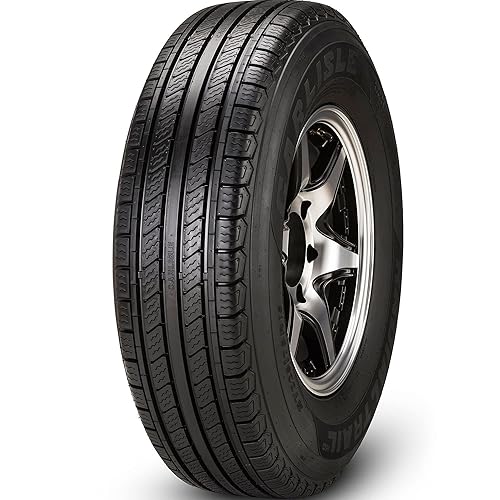

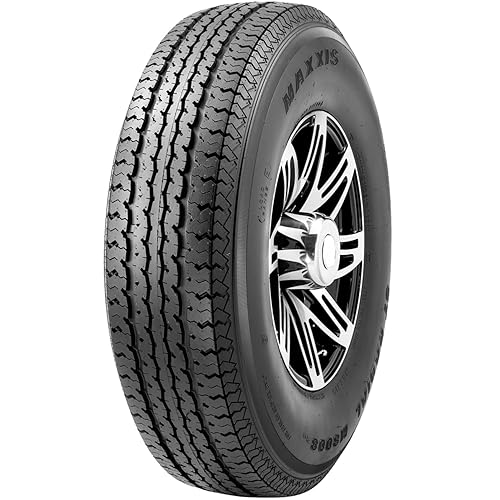

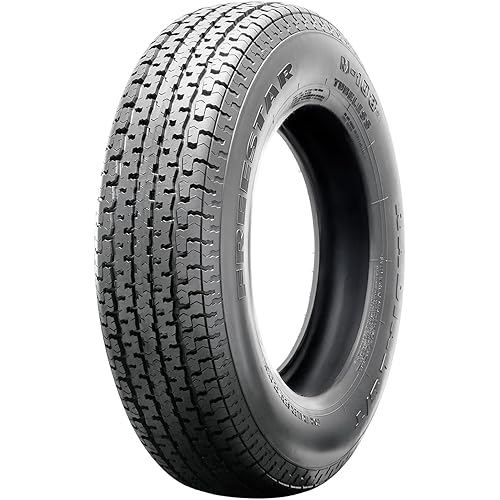
Goodyear is one of the most respected tire brands in the world, and the Endurance All-Season Radial Trailer Tire proves that reputation is well earned. Engineered specifically for trailers, this tire features a strong tread grip pattern designed to handle recreational loads up to 1,000 pounds per tire with confidence.
The tire uses a fabric-steel construction paired with Goodyear's proprietary DuraWall Technology. This combination delivers exceptional puncture resistance and tear resistance, helping the tire stand up to rough road conditions and extended mileage without premature wear.
The Endurance is available in a wide range of sizes to fit travel trailers, fifth wheels, and cargo trailers. Its all-season tread compound ensures reliable grip in both wet and dry conditions, making it a versatile choice for RVers who travel in varied climates throughout the year.
One downside to keep in mind is that the Endurance is priced slightly higher than budget alternatives. However, given its proven durability and Goodyear's brand warranty support, most RV owners find the investment pays off over multiple seasons of use.
Pros
Cons
The Grand Ride FREE COUNTRY Trailer Tires offer exceptional value for RV owners looking to replace all four tires at once. Sold as a complete set of four, this package deal significantly reduces the per-tire cost compared to buying individually, making it one of the best budget-friendly choices on the market.
These are radial-type tires, which is now the standard for trailer applications. The full nylon cap ply overlay covers the entire tread area rather than just the shoulder, providing superior protection against blowouts at highway speeds — a common issue with lesser-quality trailer tires.
The tires are engineered to provide a smooth, stable driving experience. The firm road grip minimizes trailer sway, which is especially important when towing through mountain passes or at highway speeds. Scuff guard protection on the sidewalls helps prevent damage during tight maneuvering in campsites.
While these tires are highly capable for most recreational towing applications, some users have noted that they are best suited for lighter loads and may not be ideal for very heavy fifth-wheel configurations. Always verify load ratings against your trailer's GVWR before purchasing.
Pros
Cons
Carlisle has been manufacturing trailer tires for decades, and the Radial Trail HD is among their best. Known as a best-in-class budget tire, it delivers performance that rivals much more expensive options without compromising on safety or durability.
The 8mm tread depth gives the Radial Trail HD an edge in longevity. Combined with a full nylon cap ply construction, this tire resists heat buildup at highway speeds — one of the leading causes of trailer tire failure. The radial construction also improves fuel economy compared to older bias-ply designs.
This tire is compatible with a wide variety of trailer brands including Alumacraft, Crestliner, Big Tex, and Carry On, among others. It performs well on both wet and dry roads, and its rugged construction handles light off-road terrain without issue.
The Carlisle Radial Trail HD has limited availability in very large sizes such as those required for heavy Class A motorhomes. RV owners with larger fifth wheels or toy haulers may need to confirm size availability before ordering.
Pros
Cons
Michelin is widely regarded as the gold standard in tire engineering, and the XPS Rib Truck Radial brings that premium quality to trailer and motorhome applications. Backed by a 60,000-mile treadwear warranty, this tire is built for owners who prioritize longevity above all else.
The steel-cased construction with steel-reinforced bead gives the XPS Rib exceptional load capacity. It handles heavy loads typical of Class A motorhomes and large fifth wheels with impressive stability. The rib tread design optimizes traction while reducing road noise — this is one of the quietest RV tires available.
Performance in both wet and dry conditions is equally impressive. The tire's advanced tread compound maintains grip on rain-slicked highways without sacrificing dry weather handling. Even on rough terrain that would challenge typical radial designs, the XPS Rib holds its own.
The main limitation of the Michelin XPS Rib is price — it sits firmly in the premium tier and costs significantly more than budget alternatives. However, the combination of warranty coverage, noise reduction, and load-handling capability makes it a top choice for serious RVers.
Pros
Cons
The Maxxis M8008 Plus is an upgraded version of the popular M8008, one of the most trusted names in trailer tires. The "Plus" designation signals enhanced construction — including improved shock absorbance and a more durable tread compound — that makes this tire an excellent choice for long-haul RV travel.
Double steel belt construction provides outstanding road stability, virtually eliminating trailer sway at highway speeds. This is particularly important for travel trailers and fifth wheels where sway can become a safety concern. The radial design also reduces rolling resistance, translating to modest fuel savings over a long trip.
The Maxxis M8008 Plus excels at highway driving. Its tread compound is optimized for consistent performance on paved roads, offering predictable handling in both wet and dry conditions. The tire runs cool even on extended interstate drives, which is a critical factor in preventing blowouts.
While the M8008 Plus is a superb highway tire, it is rated at 8-ply rather than the 10-ply of some competitors. This means it has a slightly lower maximum load capacity. Owners of very heavy trailers should verify that the load rating meets their GVWR requirements.
Pros
Cons
The Suntek HD Plus stands out among RV trailer tires thanks to its exceptional 14-ply construction — higher than any other tire on this list. This Load Range G rating makes it the go-to choice for heavy-duty towing applications such as large toy haulers, gooseneck trailers, and overloaded fifth wheels.
The ribbed tread design promotes road stability and channels water efficiently during rain. The steel casing adds structural rigidity, preventing sidewall flex under maximum load conditions. RVers who frequently travel in mountainous terrain or cross hot desert highways will appreciate how the HD Plus manages heat buildup.
Suntek designed this tire with all-terrain capability in mind. It handles gravel campground roads and dirt paths without the sidewall damage or rapid wear that plagues standard highway-only trailer tires. This versatility makes it an appealing choice for RVers who venture off the beaten path.
The trade-off for that heavy-duty construction is a stiffer ride compared to standard 8 or 10-ply tires. Lightweight trailers may experience slightly increased vibration. This tire is best matched with heavier, well-loaded trailers where its load capacity and durability shine.
Pros
Cons
The Freestar M-108 is the budget-friendly all-rounder on this list, offering dependable performance at a price that makes replacing all four tires financially painless. Despite its lower price point, the M-108 uses a durable rubber compound that holds up well under regular towing conditions.
Its groove design effectively channels water away from the contact patch during rain, reducing hydroplaning risk on wet highways. The all-terrain tread pattern also provides reasonable grip on the gravel and dirt roads common around RV parks and campgrounds.
The M-108 has a respectable load rating for its size and ply count, making it suitable for pop-up campers, small travel trailers, and utility trailers. Recent buyers frequently commend its performance on rough ranch roads and unpaved campground access routes.
The Freestar M-108 is not the right choice for heavy fifth wheels or large Class A motorhomes — its load capacity is tailored to smaller applications. For owners of smaller, lighter trailers looking to keep costs down, however, it represents excellent value.
Pros
Cons
Selecting the right RV tire is more nuanced than choosing a passenger car tire. Trailer and motorhome tires must meet specific load, speed, and construction requirements that differ significantly from everyday driving tires. The following buying guide covers the key factors to consider before you make a purchase.
The most important designation to understand is the difference between ST (Special Trailer) and LT (Light Truck) tires. ST tires feature stiffer sidewalls designed specifically to handle the unique forces exerted on trailer axles — including weight transfer during braking and the tendency of trailers to sway at speed. LT tires are built for drive and steer axles on trucks, where sidewall flexibility aids ride comfort and steering response.
For all trailer applications including travel trailers, fifth wheels, and toy haulers, always choose ST-rated tires unless the manufacturer specifically recommends otherwise. Using LT tires on trailer axles can result in sidewall failure, excessive sway, and voided warranties.
Load range refers to the maximum load capacity and inflation pressure of the tire. The most common load ranges for RV tires are:
To determine the correct load range, add up the total loaded weight of your trailer and divide by the number of tires. Select a tire with a load capacity per tire that exceeds this number by at least 10% for a safety margin.
Trailer tire sizes follow a specific format: ST225/75R15, where ST indicates special trailer use, 225 is the width in millimeters, 75 is the aspect ratio (sidewall height as a percentage of width), R indicates radial construction, and 15 is the rim diameter in inches. Always match the size exactly to what the trailer manufacturer specifies, as using the wrong size can affect load capacity and speedometer accuracy.
Check the placard inside your trailer door jamb or the owner manual for the recommended tire size and load rating. When in doubt, contact the trailer manufacturer directly for confirmation.
Radial tires have cords running perpendicular to the direction of travel, while bias-ply tires have cords running at a diagonal angle. For modern RV use, radial tires are strongly preferred because they run cooler at highway speeds, provide better tread contact, offer improved fuel economy, and deliver a smoother ride. Bias-ply tires are largely obsolete for mainstream travel trailer and fifth-wheel use, though they remain available for specialty applications.
Most RV trailer tires carry a speed rating of 65 mph (expressed as "L" on the sidewall) or 75 mph ("M"). These ratings are lower than typical passenger car tires, and exceeding them — even briefly — can cause rapid heat buildup and sudden tire failure. Always respect the speed rating of your specific tires, and plan your route and travel time accordingly.
Tire rubber degrades over time regardless of tread depth. UV exposure, ozone, and temperature cycling all contribute to microscopic cracking in the rubber compound. Most safety organizations recommend replacing RV tires every 5 to 7 years regardless of how much tread remains. Check the DOT date code on the sidewall — the last four digits indicate the week and year of manufacture. A tire stamped "2218" was made in the 22nd week of 2018.
Inspect your tires before every trip. Look for sidewall cracking, tread separation, bulges, or uneven wear. Any of these signs indicate that the tire should be replaced immediately, regardless of age or mileage.
Goodyear Endurance All-Season Radial Trailer Tire - Walmart Link
Grand Ride FREE COUNTRY Trailer Tires ST225/75R15 (Set of 4) - Walmart Link
Carlisle Radial Trail HD Trailer Tire - Walmart Link
Michelin XPS Rib Truck Radial Tire - Walmart Link
Maxxis M8008 Plus ST Radial Trailer Tire - Walmart Link
Suntek HD Plus Premium Trailer Radial Tires - Walmart Link
Freestar M-108 Trailer Tire - Walmart Link
Goodyear Endurance All-Season Radial Trailer Tire - eBay Link
Grand Ride FREE COUNTRY Trailer Tires ST225/75R15 (Set of 4) - eBay Link
Carlisle Radial Trail HD Trailer Tire - eBay Link
Michelin XPS Rib Truck Radial Tire - eBay Link
Maxxis M8008 Plus ST Radial Trailer Tire - eBay Link
Suntek HD Plus Premium Trailer Radial Tires - eBay Link
Freestar M-108 Trailer Tire - eBay Link
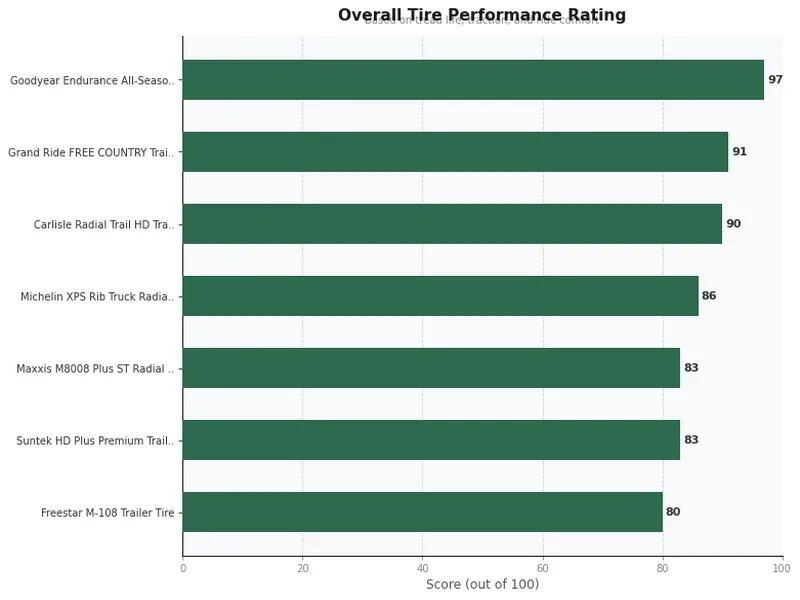
Choosing the right RV tires is one of the most important safety decisions you can make as an RV owner. After reviewing the top options available in 2026, the Goodyear Endurance All-Season Radial Trailer Tire earns our top pick for its combination of proven durability, DuraWall technology, and Goodyear brand warranty support. It handles the broadest range of RV sizes and towing conditions while delivering long-lasting tread life.
For budget-conscious buyers, the Carlisle Radial Trail HD and Freestar M-108 offer strong performance at a fraction of the premium tier price. RVers with very heavy loads should look seriously at the Suntek HD Plus with its 14-ply construction, while those who prioritize a quiet ride and maximum mileage warranty will appreciate the Michelin XPS Rib.
No matter which tire you choose, remember to inflate to the correct pressure, inspect regularly, and replace on schedule. A quality set of RV tires is the best insurance policy you can buy before a long road trip.
The best RV tires for 2026 include the Goodyear Endurance All-Season Radial Trailer Tire (best overall), Maxxis M8008 Plus ST Radial Trailer Tire (best for highway), Carlisle Radial Trail HD (best value), Michelin XPS Rib Truck Radial Tire (best premium), and Suntek HD Plus Premium Trailer Radial Tires (best for heavy loads).
ST (Special Trailer) tires are engineered specifically for trailer applications with stiffer sidewalls to reduce sway and handle trailer loads. LT (Light Truck) tires are designed for driven wheels and have more flexible sidewalls suitable for steering and drive axles. ST tires should not be used on driven vehicle axles, and LT tires are generally not recommended for trailer use.
Most tire manufacturers and RV safety experts recommend replacing RV tires every 5 to 7 years regardless of tread depth, because rubber degrades over time even without significant mileage. Always inspect tires for cracking, bulging, or tread wear before each trip, and replace any tire showing signs of aging.
For most travel trailers and fifth wheels, a 10-ply (Load Range E) tire is the most popular choice, providing a good balance of load capacity and ride quality. Very heavy fifth wheels and toy haulers may benefit from a 14-ply (Load Range G) tire like the Suntek HD Plus. Lighter pop-up campers and small cargo trailers can typically use 8-ply (Load Range D) tires.
RV trailer tires should be inflated to the maximum PSI listed on the tire sidewall, which is typically 65 to 80 PSI for Load Range E tires. Unlike passenger car tires, trailer tires perform best at or near max pressure to minimize sidewall flexing, reduce heat buildup, and maximize load capacity. Always check cold tire pressure before long trips.
When shopping for rv tires, focus on build quality, compatibility with your vehicle or application, user reviews, and warranty coverage. Price should be weighed against durability and long-term value rather than upfront cost alone.
Replacement intervals for rv tires vary by manufacturer, driving conditions, and mileage. Check your vehicle owner's manual for specific recommendations. As a general rule, inspect them at every oil change and replace when you notice visible wear or reduced performance.
Brand reputation can be a useful indicator of quality and customer support, but it is not the only factor. Some lesser-known brands offer excellent rv tires at lower prices. Focus on verified user reviews, warranty terms, and specific product features rather than brand name alone.
Many rv tires can be installed at home with basic tools and some mechanical knowledge. However, if you are not confident in your abilities, having a professional handle the installation ensures it is done correctly and safely. Always consult your vehicle's service manual first.
Online retailers like Amazon often offer the widest selection and competitive pricing for rv tires. You can also compare reviews easily. Auto parts stores are a good option if you need the product immediately or want in-person advice. Always check for warranty coverage regardless of where you buy.
 |
 |
 |
 |

About Marcus Chen
Marcus Chen is a performance and tuning specialist with 12+ years of hands-on experience modifying everything from daily drivers to track cars. He specializes in suspension setup, wheel-and-tire fitment, and squeezing every drop of performance from stock platforms without sacrificing reliability.
Get some FREE car parts & gear.. Or check out the latest free automotive manuals and build guides here.
Disable your ad blocker to unlock all the hidden deals. Hit the button below 🚗
| | | |
