by Marcus Chen
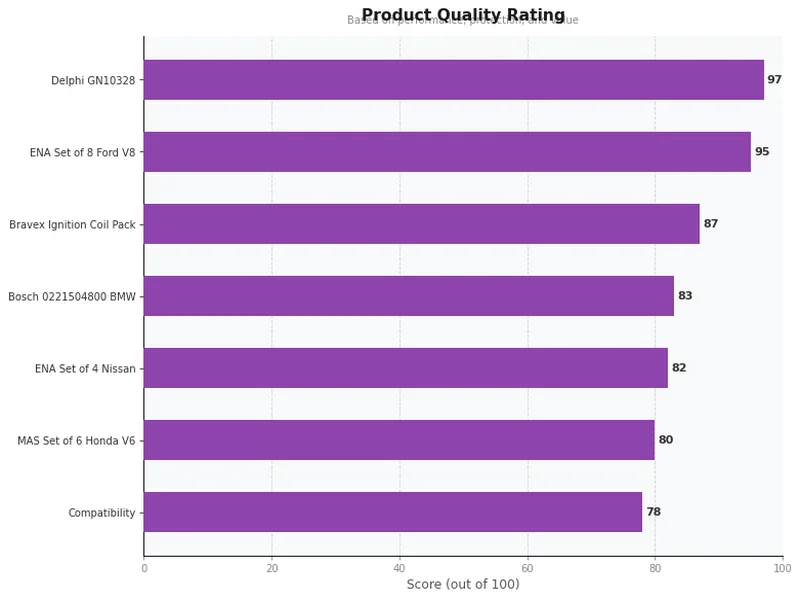
Which ignition coil actually deserves a spot under your hood in 2026? With so many options flooding the market, picking the right one can feel overwhelming. A failing coil means misfires, rough idling, and wasted fuel — none of which you want to deal with on your morning commute. After researching and comparing the top options, we're confident the Delphi GN10328 stands out for most drivers thanks to its OE-spec engineering and superior insulation design.

An ignition coil transforms your battery's low voltage into the thousands of volts needed to create a spark. That spark ignites the air-fuel mixture in each cylinder. When a coil starts to fail, you'll notice poor acceleration, increased emissions, and a check engine light. Replacing a worn coil is one of the most impactful performance upgrades you can make — it's affordable and often takes less than an hour.
We evaluated seven of the best ignition coils available in 2026, considering build quality, OE compatibility, materials, and real-world reliability. Whether you drive a Ford, BMW, Toyota, or Chevy with an LS engine, there's a coil on this list for you. Let's break down what each one offers so you can make the right call.
Contents







The Delphi GN10328 earns our top spot for one big reason: insulation quality. Delphi uses a proprietary winding process that carefully controls the wire length between adjacent windings. Why does that matter? More wire length means higher voltage differences. Higher voltage differences create more pressure on the insulation. Over time, that pressure causes cracks and breakdowns. Delphi's controlled winding technique reduces that stress significantly, which translates to a longer-lasting coil.
This coil is engineered to match Original Equipment specifications. That means you're getting a direct replacement that fits and performs like the coil your car came with from the factory. The materials Delphi uses — high-quality copper wire and specialized wire coating — resist the pin holes, cracks, and imperfections that cause most coil failures. If you've ever dealt with a cheap aftermarket coil that died after six months, you'll appreciate that attention to detail.
Installation is straightforward. The connector plugs right in, and the bolt pattern matches OE mounting points. Drivers who've switched to the GN10328 commonly report smoother idle and better throttle response almost immediately. It's the kind of part that just works — no surprises, no headaches. For a general-purpose replacement coil in 2026, it's hard to beat.
Pros:
Cons:
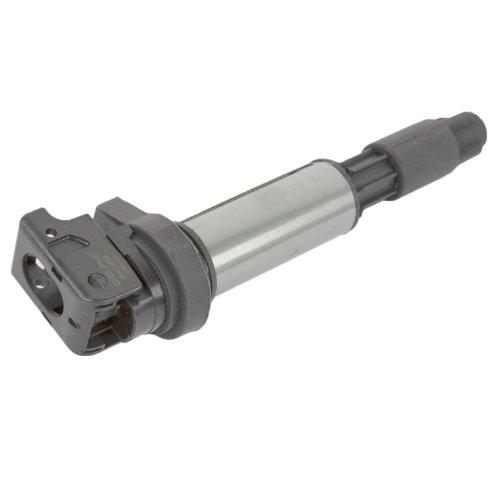
If you drive a BMW, the Bosch 0221504464 is essentially the factory coil. Bosch is an OE supplier for BMW, and this coil meets or exceeds the original specifications. It's compatible with a wide range of models — from the 3 Series (325i, 330i) to the 7 Series (745i, 750Li) and even the X3, X5, and Z4. That broad coverage makes it a go-to for BMW owners who want a reliable, no-compromise replacement.
One clever design detail sets this coil apart: the one-piece molded boot. Many competitors use a two-piece boot design where the high-voltage boot is separate from the coil body. That two-piece setup can separate over time, making removal a nightmare — especially in tight BMW engine bays. Bosch molds the boot directly to the coil, so it stays put and disengages cleanly from the spark plug every time. If you've ever struggled to pull a coil off a plug, you know how much this matters.
The silicone over-mold provides excellent insulation and corrosion resistance. BMW engines run hot, and the tight packaging means coils sit close to exhaust components. The silicone construction handles that heat without degrading. This coil is built for the long haul. Pair it with fresh synthetic oil and quality spark plugs, and your BMW's ignition system will run like new.
Pros:
Cons:
NGK is a name most people associate with spark plugs. But their ignition coils deserve just as much respect. The U5055 features a custom NGK ASIC chipset (Application-Specific Integrated Circuit) — a specialized microchip designed to optimize coil performance in today's complex engine management systems. This isn't just marketing speak. Modern engines rely on precise ignition timing controlled by the ECU (Engine Control Unit). A coil that doesn't respond quickly or accurately can cause misfires and even damage sensitive components.
NGK tests this coil in extreme conditions at an ISO 17025 certified laboratory. That certification means the testing facility meets international standards for calibration and accuracy. The result is a coil you can trust to perform whether you're driving through Arizona heat or Minnesota cold. The high-quality electrical steel lamination inside the coil maximizes magnetic efficiency, producing the strongest possible spark with minimal energy waste.
For drivers with newer vehicles that use coil-on-plug (COP) ignition systems, the NGK U5055 is an excellent choice. It plugs directly onto the spark plug without a separate wire, reducing signal loss. The build quality feels solid in hand, and the connector locks in with a satisfying click. It's the kind of coil that engineers love because every detail is purpose-built.
Pros:
Cons:
Denso is a Tier 1 OE supplier for Toyota, and the 673-1308 is the coil that comes factory-installed in many Toyota and Lexus vehicles. The compatibility list is impressive: 4Runner, Camry, Corolla, FJ Cruiser, Highlander, Matrix, Solara, Tacoma, Tundra, plus Lexus models like the GS F, IS F, IS500, LC500, RC F, and even the Scion xB. If you own a Toyota or Lexus, this is likely the exact coil that was in your engine when it rolled off the assembly line.
What makes the Denso stand out is its contribution to fuel efficiency. A properly functioning ignition coil ensures complete combustion (when all the fuel in the cylinder burns). Incomplete combustion wastes fuel and creates excess emissions. The Denso 673-1308 delivers a consistent, strong spark that helps your engine burn fuel cleanly. Drivers who replace worn coils with fresh Denso units often report noticeable improvements in gas mileage — sometimes 1-2 MPG.
The vehicle-specific fitment means you won't be guessing about compatibility. The connector, mounting bolt, and overall dimensions match the original exactly. Installation takes about 10-15 minutes per coil with basic hand tools. If you're maintaining a Toyota or Lexus and want OE quality without the dealership markup, the Denso 673-1308 is the obvious choice. It pairs perfectly with a good battery charger for complete electrical system maintenance.
Pros:
Cons:
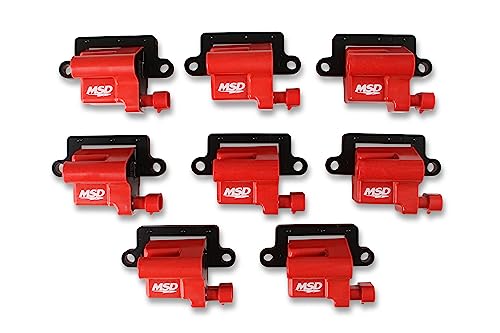
The MSD Blaster LS Series is built specifically for GM LS engines — the legendary powerplants found in Corvettes, Camaros, Silverados, and countless engine-swap projects. This is an 8-pack, so you get all eight coils you need in one box. That's a huge convenience factor. No buying them one at a time and hoping they all match. Open the box, swap them all at once, and you're done.
MSD (Multiple Spark Discharge) has been a trusted name in performance ignition for decades. The Blaster series is designed as a direct replacement for stock LS coils, but with improved energy output. LS engines are popular for both stock applications and modified builds. Whether your LS is bone-stock in a daily-driver truck or pushing 500+ horsepower with a cam and headers, these coils can keep up. The higher energy output helps maintain a strong spark even under the increased cylinder pressures that come with modifications.
The bold red color is a nice touch if you have an exposed engine bay. It's a small thing, but if you've already invested in a cold air intake and other visual upgrades, matching red coils complete the look. MSD backs these with a full one-year warranty, which is standard for the category. For LS owners, the MSD 82648 is a smart, straightforward upgrade in 2026.
Pros:
Cons:
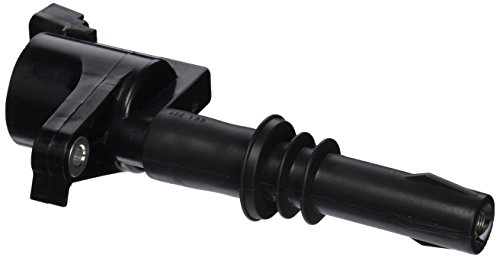
Motorcraft is Ford's own parts brand. The DG511 is the OE coil for many Ford vehicles, including the popular F-150, Mustang, Explorer, and Expedition equipped with the 4.6L and 5.4L V8 engines. When Ford designs an engine, Motorcraft designs the ignition components to match. That means the DG511 isn't just compatible — it's the intended part. You can't get a better fit than the coil the engineers specified during development.
The DG511 features high electrical resistance, which helps control the current flow and prevents premature wear on the coil's internal components. It also provides excellent starting connections. If you've ever turned the key on a cold morning and gotten nothing but a sluggish crank, a worn ignition coil might be the culprit. Fresh DG511 coils deliver the full spark energy your engine needs for quick, reliable starts regardless of temperature.
Corrosion and abrasion resistance are built into the design. Ford trucks and SUVs often face harsh conditions — road salt, mud, engine bay heat, and vibration. The DG511 is engineered to handle all of it. The connector is sealed against moisture intrusion, and the housing resists the kind of physical wear that kills cheaper coils. For Ford owners who want a factory-quality part without visiting the dealership, the Motorcraft DG511 is the answer.
Pros:
Cons:
ACDelco's Professional line sits in a sweet spot between budget and premium. The U505 features high-quality coated windings that improve durability and protect against two common failure modes: internal shorts and dielectric breakdown (when the insulating material can no longer contain the electrical charge). These coated windings cost more to manufacture than basic copper, but they last significantly longer in the real world.
The silicone steel plates surrounding the coil's core are precisely matched to the original part's size and number. This might sound like a minor detail, but the lamination stack is critical to how efficiently the coil converts low voltage to high voltage. Too few plates and you lose energy. Too many and you add unnecessary weight and cost. ACDelco gets the count right, ensuring the magnetic field builds and collapses exactly as designed.
Corrosion protection is another strong point. The laminations are coated to resist rust, and many variants feature molded plastic protection over exposed components. Nothing is left bare to the elements. For GM vehicle owners looking for a reliable replacement without paying top dollar, the ACDelco U505 delivers solid performance at a fair price. It's the kind of part your mechanic would recommend — proven, dependable, and reasonably priced.
Pros:
Cons:
This is the single most important factor. Ignition coils are not universal. Each coil is designed for specific engine families, mounting configurations, and electrical connectors. Always check your vehicle's year, make, model, and engine size before ordering. Most manufacturers list compatible vehicles right on the product page. When in doubt, look up your vehicle's OE part number and cross-reference it with the aftermarket coil you're considering. A coil that doesn't fit your connector or mounting bracket is useless no matter how well-reviewed it is.
OE (Original Equipment) coils come from the same manufacturers that supplied your vehicle's factory parts. Brands like Bosch for BMW, Denso for Toyota, and Motorcraft for Ford are OE suppliers. These coils are guaranteed to match factory specs. Aftermarket coils from reputable brands like NGK, Delphi, and ACDelco also deliver excellent quality — often at a lower price. The key is avoiding no-name budget coils. Cheap coils use inferior wire, poor insulation, and weak laminations. They might work for a few months, then fail again. Spending a little more upfront saves you from repeat replacements.
The materials inside an ignition coil determine its lifespan. Look for coils with high-quality copper wire windings, coated laminations, and silicone or epoxy insulation. The winding process matters too — as Delphi demonstrates, controlled wire spacing reduces voltage stress on the insulation. Silicone boots and over-molds resist heat better than rubber. Corrosion-resistant coatings on the lamination plates prevent rust from degrading the magnetic core. These aren't luxury features. They're the difference between a coil that lasts 80,000 miles and one that fails at 20,000.
Don't wait for a complete failure to replace your coils. Watch for these warning signs: engine misfires (a noticeable stutter or hesitation under acceleration), rough idle, decreased fuel economy, difficulty starting, and a check engine light with misfire-related codes (P0300-P0312). If your vehicle has over 100,000 miles on the original coils, it's worth considering a proactive replacement — especially if you're already changing spark plugs. Replacing coils and plugs together ensures your entire ignition system is fresh and working in sync. While you're under the hood, you might also want to check your brake pads for wear.
Most ignition coils last between 80,000 and 120,000 miles under normal driving conditions. However, factors like heat exposure, vibration, oil leaks onto the coil, and spark plug condition can shorten that lifespan significantly. If you drive in extreme heat or make frequent short trips that don't allow the engine to fully warm up, your coils may wear out sooner. It's good practice to inspect them whenever you change spark plugs.
A bad coil won't directly damage your engine's internal parts, but it can cause problems that lead to damage over time. A misfiring cylinder sends unburned fuel into the catalytic converter, which can overheat and destroy it — a repair that costs $1,000 or more. Prolonged misfires also wash the cylinder walls with raw fuel, diluting the oil film and accelerating ring and bore wear. Replace a failing coil promptly to avoid these expensive secondary issues.
If one coil has failed and the others are original with high mileage, replacing them all at once makes sense. They've all endured the same conditions and are likely near the end of their service life. If your coils are relatively new and only one has failed (possibly due to a defect), replacing just the faulty unit is fine. The labor to access the coils is the same whether you replace one or all, so doing them together saves time and shop costs if you're paying a mechanic.
Coil-on-plug (COP) systems use one individual coil per cylinder, mounted directly on top of each spark plug. This eliminates spark plug wires entirely and reduces signal loss. Coil pack systems use one or two larger coils that serve multiple cylinders through spark plug wires. COP systems are more common in modern vehicles (2000s and newer) because they offer better spark control and reliability. When shopping for replacement coils, make sure you know which type your vehicle uses.
For a stock, well-maintained engine, upgrading to a performance coil typically won't produce noticeable horsepower gains. The stock coil already provides sufficient spark energy for the engine's design parameters. However, on modified engines with higher compression, forced induction (turbo or supercharger), or larger injectors, a higher-energy coil like the MSD Blaster can help maintain a strong spark under increased cylinder pressures — preventing misfires that would otherwise cost you power.
Start by reading the check engine codes with an OBD-II scanner. Misfire codes P0300 through P0312 point to ignition problems, with the last digit indicating the affected cylinder. A simple test is swapping the suspected bad coil with a known good one from another cylinder. If the misfire code follows the coil to the new cylinder, you've confirmed the coil is faulty. You can also measure the coil's primary and secondary resistance with a multimeter and compare the readings to the manufacturer's specifications.
 |
 |
 |
 |

About Marcus Chen
Marcus Chen has over twelve years of hands-on experience modifying cars across a range of platforms — from commuter builds to track-focused setups — with deep expertise in suspension tuning, wheel and tire fitment, and performance upgrades that improve driving dynamics without sacrificing day-to-day reliability. He has worked with both bolt-on and engineered modifications and brings a methodical, results-focused approach to evaluating performance parts. At CarCareTotal, he covers performance upgrades, suspension and handling, and wheel, tire, and drivetrain modifications.
Get some FREE car parts & gear.. Or check out the latest free automotive manuals and build guides here.
Disable your ad blocker to unlock all the hidden deals. Hit the button below 🚗
| | | |
