Exterior ›
by Joshua Thomas
Roughly one in three truck and SUV owners adds or replaces side step accessories within the first 18 months of ownership — and nerf bars are the most popular upgrade in that entire exterior accessories category. The reasons are straightforward: factory steps are often too narrow, too far from the cab, or simply nonexistent on lifted rigs. A well-chosen set of nerf bars fixes all of that while adding a layer of rocker panel protection that saves you from rust and dent repairs that can run into hundreds of dollars. The problem is that the market in 2026 is flooded with options ranging from budget universal fitments to precision-engineered truck-specific bars, and the differences between them matter enormously once you're actually standing in a muddy parking lot trying to swing into a full-size cab.
Nerf bars are not all the same product dressed up in different packaging. Tube diameter, step pad placement, mounting hardware quality, and finish durability separate a bar that lasts a decade from one that rattles loose by winter. If you've been comparing automotive clear coats and paint protection options, you already know that exterior finishes take a serious beating — the same logic applies here. Powder coat versus raw steel versus polished stainless isn't just an aesthetic choice; it determines how your bars hold up against road salt, stone chips, and UV exposure year after year.
This guide covers seven of the best nerf bars available in 2026, tested and evaluated across categories including universal fit, truck-specific, SUV-specific, and premium finishes. Whether you're outfitting a work truck that needs bombproof steps or a daily-driver SUV where looks matter as much as function, there's a pick here that nails your use case. We've also included a buying guide and FAQ so you can make a fully informed decision before you click purchase.

Contents



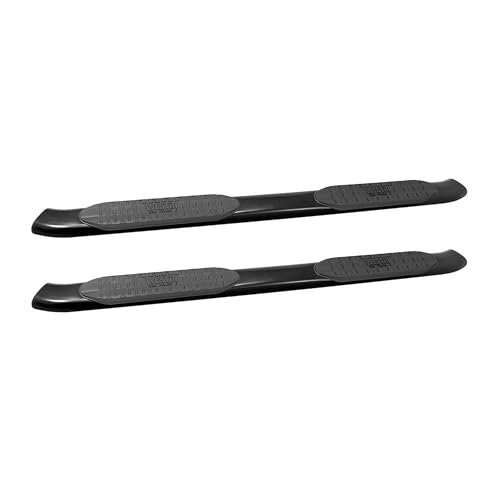





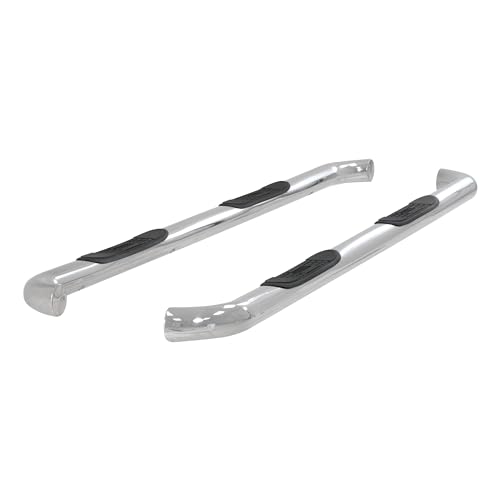


Dee Zee has been building truck accessories since 1977, and the DZ3700301 shows exactly why they've had staying power. These 3-inch round nerf bars are built from heavy-gauge steel with a black powder coat finish that resists chipping, corrosion, and the kind of abuse that comes with daily use in harsh climates. The tube diameter is a genuine 3 inches — not a thin-wall impostor — which gives you enough structural rigidity to step on without any flex or bounce. Molded plastic step pads are positioned along the bar to give you a confident grip whether you're wearing work boots or sneakers.
The universal fit design is both the biggest selling point and the one thing you need to think through carefully. These bars come with a range of mounting brackets and hardware that accommodate most full-size trucks and SUVs, but you'll want to verify compatibility with your specific wheelbase and cab configuration before ordering. Installation typically takes about 90 minutes with basic hand tools — no drilling required if your vehicle has factory mounting points. The black powder coat holds up well to road grime and salt spray, though it won't match the premium look of polished stainless options. What you get here is a durable, functional set of steps at a price point that leaves money for other upgrades. If budget is your primary constraint, this is where you start.
Pros:
Cons:
If you're running a Ford Super Duty — specifically an F-250, F-350, F-450, or F-550 Crew Cab from 1999 through 2016 — the Westin PRO TRAXX 5 is built specifically for your truck. That direct-fit engineering means no adapter plates, no trimming, and no bracket guesswork. The bars drop into position using vehicle-specific mounting points, which translates to a tight, rattle-free install that looks factory. Westin uses oval tubing in the 5-inch width configuration on this model, and the wider profile gives you a significantly more stable stepping surface compared to a standard 3-inch round tube — especially important on a tall Super Duty cab where you're stepping up a considerable distance.
The 4-inch-wide injection molded polymer step pads are positioned precisely for each door, and they provide real grip in wet and muddy conditions. Beyond entry and exit convenience, these bars do double duty protecting your rocker panels from kicked-up rocks and trail debris — a genuine concern on Super Duty trucks that often see job site and off-pavement use. The black powder coat finish on the steel construction holds up in the environments where these trucks actually work, including prolonged exposure to road salt and industrial grime. If you've already invested in the right safety tools for your truck, rounding out the build with proper steps is a logical next move.
Pros:
Cons:
The 2024 and 2025 Toyota Tacoma received a complete redesign, and that means a new frame geometry that renders most older nerf bar fitments obsolete. Rough Country engineered these step bars specifically for the updated Double Cab platform, and the result is a drop-step design that solves the real-world problem of getting in and out of a lifted or stock-height Tacoma without the awkward high-step that wears on your knees over time. The drop-step configuration lowers the effective step height while keeping the bar tucked high and tight against the rocker panel — a combination that most budget nerf bars don't achieve.
The full-length construction extends across the entire side of the truck, and integrated stone guards shield your lower body panels from the rock chips and road debris that are an inevitability on unpaved surfaces. The bolt-on installation uses existing factory mounting locations, so you don't need to drill, weld, or fabricate anything. The streamlined profile keeps the truck looking clean rather than bulky — there's no oversized slab of steel hanging out past the fenders. If you're running your Tacoma on trails or dirt roads regularly, these bars earn their keep as rocker protection just as much as they do as entry steps. For 2024–2025 Tacoma Double Cab owners specifically, this is the most direct and well-engineered solution on the market right now.
Pros:
Cons:
N-Fab's Nerf Step RS takes a different design philosophy than most bars on this list. Rather than hanging a step bar off the rocker panel, these run wheel-to-wheel — meaning the bar spans from the front wheel well all the way to the rear, giving you stepping access at every door position and a more aggressive visual stance. The fit covers 2010–2022 Toyota 4Runner four-door SUV models, with the important caveat that 2010–2019 Limited and 2010–2013 SR5 trims are excluded due to factory side step conflicts. Check your trim level before ordering.
The design sits high and tight against the 4Runner's body, which is exactly what you want — bars that hang too low invite rock strikes and ground clearance reduction, both deal-breakers on an SUV that sees off-road use. The expanded drop-down step at each door position gives you a reliable landing spot in any weather, and the textured black finish provides grip even when everything is wet and muddy. N-Fab uses a premium textured black powder coat rather than a gloss finish, which conceals scratches and dirt far better in field conditions. According to Wikipedia's entry on running boards, wheel-to-wheel configurations have been preferred on larger SUVs since the early 2000s precisely because they distribute stepping load more evenly along the vehicle frame — and you can feel that stability difference when you step up.
Pros:
Cons:

If you want your Tundra to look sharp every time you pull into a parking lot, the ARIES 202013-2 delivers in a way that painted steel bars simply cannot. These bars are machined from heavy-wall 3-inch stainless steel tubing, polished to a mirror finish that adds a clean, upscale visual accent to the vehicle's lower body. ARIES custom-bends each set to match the specific contours of the Toyota Tundra rather than relying on straight tube with end caps — and you can see and feel the difference in how cleanly the bar follows the rocker panel curve.
The step pads are positioned precisely where each door opens, not spaced uniformly across the bar like some universal designs. That means the non-skid surface is exactly where you're going to put your foot, which sounds like a small detail until you're stepping out of a Tundra in the rain and you miss the pad entirely. Heavy-wall construction means these bars are rigid — there's no flex when you put your full weight on them. The no-drill installation uses existing factory mounting points, and the vehicle-specific bracket kit is included. Stainless steel is worth the premium price if you park outdoors year-round in a region that uses road salt — it won't rust, period, and the polish holds up far longer than powder coat in those conditions.
Pros:
Cons:
Westin's R7 takes a fundamentally different aesthetic approach compared to the round-tube designs elsewhere on this list. The recessed board design conceals the mounting brackets inside the bar profile, so from a standing view distance you see a clean, integrated running board rather than exposed hardware. That OE-style look is exactly what Silverado and Sierra owners who want to maintain the truck's clean factory appearance are after. Fitment covers the 2019–2026 Silverado and Sierra 1500 and the 2020–2026 2500 and 3500 in Regular Cab configuration, and the mount kit is included in the box.
The stainless steel construction on the R7 puts it in a different durability tier than painted steel competitors. You get corrosion resistance without the upkeep that polished stainless requires — the finish on the R7 sits somewhere between matte and brushed, which hides minor scuffs and road grime far better than a mirror polish. If you're also thinking about how your truck's engine looks under the hood while you're in upgrade mode, pairing new steps with fresh LED light bars on the front end makes for a genuinely comprehensive exterior build. The R7's bracket system uses existing factory holes on current-generation GM trucks, and the install is clean enough that it looks like it came from the factory floor.
Pros:
Cons:
Lund has been a fixture in the truck accessories market for decades, and the 23884295 demonstrates exactly why they keep showing up on best-of lists in 2026. The 5-inch oval tube profile provides a significantly wider stepping surface than a standard 3-inch round bar — which means your foot has more real estate to land on, and the flat top of the oval tube adds natural stability that round tubes can't replicate. The curved end design tucks the bar back under the vehicle's edge rather than leaving it hanging in open air, which protects it from parking lot encounters and reduces the visual bulk of the step.
The black powder coated steel is corrosion-resistant and built for heavy use — Lund's manufacturing quality control on the powder coat application is noticeably consistent, which matters because thin or uneven coating is where rust starts. Non-slip, flat step pads run along the bar at door positions, giving you safe footing even in wet or icy conditions. This is the bar you choose when you need reliable daily function over premium aesthetics, and you want a 5-inch wide step rather than a narrower round tube. At its price point, the Lund competes directly with the Dee Zee as a value option, but the 5-inch oval profile and curved end design give it a slight functional edge for everyday use where stepping confidence matters.
Pros:
Cons:

The two primary tube options you'll encounter are round and oval. Round tubes — typically 3 inches in diameter — are the traditional nerf bar format. They're lighter, have a classic look, and are widely compatible with universal mounting systems. Oval tubes, which run 5 or 6 inches in their wide dimension, give you a larger flat stepping surface and feel more like a running board underfoot. If you're stepping up into a tall cab multiple times a day with work gear, the oval format is simply more practical. If you prioritize a cleaner, sportier look or you're running a smaller vehicle, the 3-inch round is the right call. Don't let tube diameter be an afterthought — it's the biggest determinant of day-to-day stepping confidence.
Vehicle-specific nerf bars are engineered for a defined list of year, make, model, and cab configurations. The mounting brackets are shaped to mate with your truck's exact frame geometry, the bar is bent to follow your body line, and the step pads land at the correct door positions. Universal bars use adjustable brackets and straight tubing that approximates a fit. For most people shopping in 2026, vehicle-specific bars are the correct choice if they exist for your truck — the fit quality, aesthetic result, and installation simplicity are all superior. Universal bars are appropriate when your vehicle isn't covered by a specific fitment or when you're building a highly modified rig with non-standard geometry. Always cross-reference your cab configuration (Regular, Double, Crew, Extended) against the fitment chart — this is the most common source of ordering mistakes.
Your nerf bars live in the worst zone of your vehicle — low and exposed to direct road spray, rock chips, mud, road salt, and UV. Finish quality determines how long your bars look good and how long they structurally hold up. Polished stainless steel is the most durable and corrosion-resistant option, requiring minimal maintenance and retaining its appearance for years in salt-belt climates. Black powder coat is the standard on most steel bars — quality varies significantly by manufacturer. Thick, evenly applied powder coat from brands like Dee Zee and Lund holds up well; thin applications from budget manufacturers develop rust spots at mounting holes and step pad edges within a year or two. If you're in a coastal or northern climate, the premium for stainless steel pays back over the life of the product. If you're in a dry climate and prefer the blacked-out look, a quality powder coat is perfectly adequate.
Nearly all quality nerf bars in 2026 install without drilling using existing factory mounting points or dedicated frame brackets. The key variable is the quality of the mounting hardware included in the box. Cheap hardware — thin-walled brackets, zinc-coated fasteners, undersized bolts — is a safety concern, not just an aesthetic one. Steps that feel solid during installation can develop movement and noise as hardware loosens over time, especially on trucks that see off-road use. Look for bars that include grade-8 hardware or stainless fasteners, and check that bracket coverage includes anti-rattle hardware or rubber isolators. Installation time for vehicle-specific bars averages 60–90 minutes with basic hand tools. If you need to look up torque specs during this install, having a set of precision measuring tools on hand makes confirming bracket alignment straightforward.
Nerf bars are tubular step bars — either round or oval in cross-section — that mount below the rocker panel to provide a step and side protection. Running boards are wider, flat-profile boards that typically run the full length of the vehicle's door opening. Running boards offer more stepping surface area and a more finished look, while nerf bars are lighter, easier to install, and preferred for vehicles that see off-road use because they're less likely to catch on terrain. In 2026, the term "nerf bar" is often used loosely to cover both categories, but the functional and aesthetic differences are real.
Vehicle-specific nerf bars designed to sit high and tight against the rocker panel — like the N-Fab RS and Rough Country Tacoma bars reviewed above — have minimal impact on ground clearance. The bars mount above the vehicle's lowest body point, so they don't become your new ground contact. Universal bars with lower-mounted brackets can hang further below the rocker line and reduce effective clearance by an inch or more. If you off-road regularly, prioritize fitment diagrams that show the bar positioned close to the body, and read customer feedback from owners of your specific vehicle before purchasing.
The majority of vehicle-specific nerf bars are designed for DIY installation. The process involves locating factory mounting points or frame brackets, positioning the bars, and torquing the hardware to spec. Most people with basic mechanical comfort and a set of hand tools complete the install in 60–90 minutes. Universal bars require more time to position correctly and may require minor adjustments to get the fit right. Neither requires professional installation unless you're drilling into the frame or running custom brackets, which none of the bars reviewed here require.
Start with your year, make, model, cab configuration (Regular, Double/Extended, or Crew Cab), and bed length. Nerf bar manufacturers publish fitment guides on their product pages — cross-reference all of those data points. Cab configuration is the most commonly overlooked variable; a bar listed for Crew Cab will not fit a Regular Cab correctly. If you're shopping on Amazon, use the "Check if this fits your vehicle" tool with your garage vehicle entered. When in doubt, call the manufacturer's tech support line — Westin, N-Fab, and ARIES all have knowledgeable reps who can confirm fitment based on your VIN.
In salt-belt climates — the northern United States, Canada, coastal areas — yes, stainless steel is worth the premium without question. Powder-coated steel bars in these environments typically need touch-up treatment within two to three years as road salt penetrates chips and scratches. Stainless steel won't rust regardless of exposure, and the finish holds its appearance for the full life of the vehicle. In dry climates like the Southwest, quality powder coat performs nearly as well as stainless at a significantly lower price point. Match the material to your actual environment rather than defaulting to the cheapest or most expensive option.
Yes — this is a genuine functional benefit, not just marketing language. Nerf bars position a steel tube directly adjacent to the rocker panel, intercepting kicked-up rocks, gravel, and debris that would otherwise impact painted metal. On trucks and SUVs used on unpaved roads or job sites, rocker panels are one of the first areas to develop rust because road debris causes paint chips that expose bare metal. The bars don't make your rockers invincible, but they meaningfully reduce the frequency and severity of rock strikes. Full-length bars and those with integrated stone guards — like the Rough Country Tacoma option — provide the most comprehensive rocker protection.
The best nerf bars aren't the cheapest or the flashiest — they're the ones built specifically for your truck, finished for your climate, and wide enough that you actually want to use them every single day.
 |
 |
 |
 |

About Joshua Thomas
Joshua Thomas holds a Bachelor of Science in Mechanical Engineering from San Diego State University and has spent years applying that technical foundation to hands-on automotive work — from routine maintenance to full mechanical repairs. He founded CarCareTotal in 2017 to give car owners the kind of clear, practical guidance that helps them understand what is happening under the hood and make smarter decisions about upkeep and repairs. At CarCareTotal, he oversees editorial direction and covers automotive fundamentals, maintenance guides, and troubleshooting resources for everyday drivers.
Get some FREE car parts & gear.. Or check out the latest free automotive manuals and build guides here.
Disable your ad blocker to unlock all the hidden deals. Hit the button below 🚗
| | | |
