Exterior ›
by Joshua Thomas
According to the National Highway Traffic Safety Administration, worn windshield wipers contribute to roughly 2 million weather-related crashes each year in the United States. Your wipers are the single cheapest safety upgrade on your vehicle. Yet most drivers wait until rubber is literally peeling off the arm before swapping them out. A fresh set of blades costs less than a tank of gas and restores the clear sightlines you need in rain, sleet, and snow.

The 2026 wiper blade market splits into three main types: conventional (traditional frame), beam (frameless, curved), and hybrid (frame core with a beam shell). Each design handles pressure distribution, ice buildup, and wind lift differently. Beam blades dominate the premium segment because they conform to curved windshields better than framed designs. Hybrid blades split the difference, offering frame-level strength with beam-level aerodynamics. For a complete exterior care routine, your wipers deserve as much attention as your paint and trim.
We evaluated dozens of 2026 wiper blade options across durability, streak-free performance, noise level, ease of installation, and value. The seven models below represent the best options across every price range and driving condition. Whether you commute through Pacific Northwest downpours or Midwest ice storms, one of these blades fits your windshield and your budget.
Contents









The Bosch ICON has held the top spot in the premium beam category for years. That reputation is earned. Bosch's ClearMax 365 technology pairs a soft rubber core with a powder-coated shell. The shell blocks UV rays, road grime, and temperature swings from degrading the wiping edge. In real-world use, this translates to noticeably quieter sweeps and fewer streaks compared to standard rubber compounds. Bosch claims up to 40 percent longer life than competing premium blades, and owner feedback in 2026 largely backs that up.
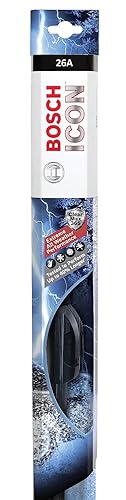
The standout engineering here is DynamicFit. This is Bosch's proprietary tension spring system. It forces the blade to follow the exact curvature of your windshield from edge to edge. A built-in asymmetrical spoiler keeps the blade pressed down at highway speeds. The result is consistent contact pressure whether you are doing 25 mph in a neighborhood or 80 mph on the interstate. Wind lift simply is not a problem.
Installation takes under a minute with the included adapter. The beam design has no external frame, so ice and snow cannot pack into hinges. If you live anywhere with winter weather, that alone justifies the premium price. The ICON is sold individually, so you will need to buy the correct sizes for both driver and passenger sides.
Pros:
Cons:
Rain-X built its name on water-repellent windshield treatments. The Repellency blade takes that concept and bakes it directly into the wiper rubber. Every sweep applies a thin layer of Rain-X water repellent to your glass. Rain, sleet, and snow bead up and roll off the windshield even between wiper passes. In heavy rain at highway speeds, the effect is dramatic — water sheets away almost on its own. You get clearer visibility between sweeps than any standard blade can deliver.

This set ships as a 24-inch and 18-inch pair, covering the most common driver/passenger combination. The universal adapter fits 96 percent of vehicles according to Rain-X. If you hit a snag during installation, a QR code on the packaging links to a step-by-step video. For drivers who already apply Rain-X treatment manually, these blades save you that extra step entirely. The repellent effect does diminish over months as the compound wears, but the blades still function as quality wipers even after the coating fades.
One thing to note: the water-repellent compound can leave a slight haze on the windshield during the initial break-in period. This clears up after a few uses. Pairing these blades with a quality automotive glass cleaner before installation eliminates the issue almost entirely.
Pros:
Cons:
Piaa takes a fundamentally different approach to wiper blade material. Instead of natural or synthetic rubber, the Super Silicone uses a full silicone rubber compound. Silicone resists UV degradation, extreme heat, and bitter cold far better than rubber. Where a conventional blade might crack and streak after six months, the Piaa silicone compound holds its edge for a year or more in most climates. The trade-off is a higher upfront cost, but the per-month value often works out in your favor.
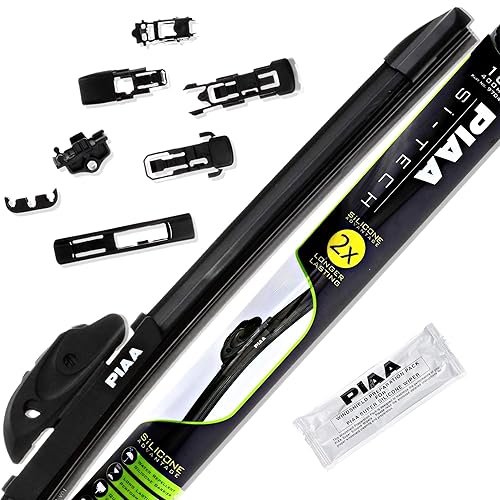
Like the Rain-X Repellency, the Piaa silicone compound creates a water-repellent barrier on your windshield over time. The difference is that silicone does not wear away as quickly. After several weeks of use, rain beads and rolls off even when the wipers are off. The blade also runs noticeably quieter than rubber alternatives. Silicone has a lower friction coefficient against glass, so chattering (that stuttering noise wipers make on a semi-dry windshield) is nearly eliminated.
The frame design uses evenly balanced pressure points. This is a conventional (framed) wiper, not a beam blade. That means it works best on flatter windshields. On heavily curved glass, a beam design like the Bosch ICON will conform better. However, for trucks, SUVs, and older vehicles with less-curved windshields, the Piaa delivers superior wipe quality and exceptional silence.
Pros:
Cons:
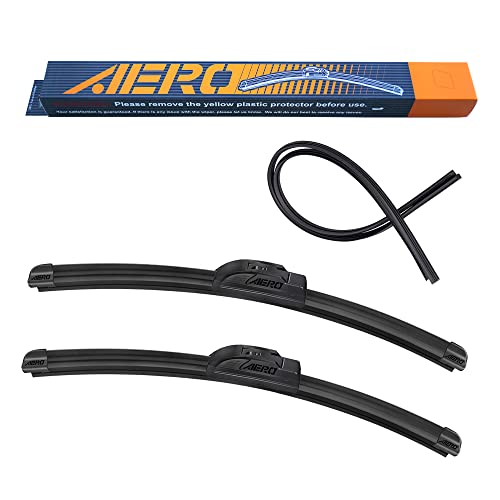
The AERO Voyager set proves you do not need to spend a premium to get clean, streak-free wipes. This two-blade package includes 26-inch and 18-inch blades, an extra rubber refill, and a one-year warranty. The rubber is blended with a Teflon coating that reduces friction across the glass. The result is a smooth, chatter-free sweep that punches well above its price point. For drivers who replace wipers every six months on schedule, the Voyager delivers excellent value without sacrificing daily performance.

The aerodynamic beam design cuts wind noise and resists lift at speed. There is no external frame to trap ice. The included rubber refill extends the effective lifespan of the blades without buying a whole new set — you just slide out the worn rubber element and snap in the fresh one. This refill system is uncommon at this price tier and adds real long-term value. The J-hook adapter works with most standard wiper arms, though vehicles with less common arm types may need an additional adapter.
Build quality is solid but not exceptional. The plastic end caps can feel slightly flimsy compared to premium brands like Bosch or Michelin. However, the wipe quality itself is clean and streak-free right out of the box. If your windshield washer fluid is fresh and your glass is clean, the AERO Voyager handles rain convincingly.
Pros:
Cons:
Goodyear brings its tire-industry reputation to the wiper blade market with the Ascent Hybrid. As the name implies, this blade merges a conventional internal frame with a beam-style outer shell. The frame provides rigid, even pressure distribution across the blade. The hard polymer shell shields the rubber and frame from sun, rain, and road debris year-round. It is an engineering compromise that delivers real-world benefits in all four seasons.

The wiping edge features a MoS2 (molybdenum disulfide) graphite coating. This is the same dry lubricant used in industrial bearings. On a wiper blade, it reduces friction against the glass, which translates to quieter, smoother operation. The coating also reduces edge wear, extending the blade's effective life. The universal adapter covers most standard arm types, making installation straightforward on most 2026 model-year vehicles.
At 26 inches, this blade covers the driver side on most sedans and crossovers. You will need to order the passenger side separately in the correct length. The Goodyear name carries weight here — their warranty and customer support are a cut above smaller brands. If you want the benefits of both beam and conventional designs without fully committing to either, the Ascent Hybrid is the blade to buy in 2026.
Pros:
Cons:
Michelin is synonymous with automotive quality. The Guardian hybrid blade carries that standard. Like the Goodyear Ascent, it uses a hybrid architecture — a conventional frame inside a protective aerodynamic shell. The shell keeps snow, ice, and debris from jamming the frame's pivot points. In heavy winter conditions, this design advantage is immediately noticeable. The blade flexes freely where a clogged conventional frame would skip and streak.

The Guardian's rubber compound is engineered for all-season durability. It resists the cracking and hardening that plagues cheaper blades after a few months of UV exposure. The 21-inch size fits the passenger side of many popular sedans and compact SUVs. Installation uses a standard J-hook connection, and Michelin includes clear instructions. Most owners report the swap takes under two minutes per blade with no tools required.
Michelin's warranty and availability through major retailers give the Guardian an edge in convenience. If a blade arrives defective or wears prematurely, replacement is straightforward. For drivers who prioritize a proven brand name and worry-free winter performance, the Guardian is a safe, dependable choice. If you are also upgrading your blind spot mirrors as part of a broader visibility overhaul, pairing them with fresh Michelin wipers covers both ends of the safety equation.
Pros:
Cons:
The Rain-X WeatherBeater has been a reliable workhorse for over 15 years. This is a conventional framed wiper blade — no hybrid shell, no beam design, no fancy coatings. What it offers is proven, OEM-grade performance at a price that makes routine replacement painless. The all-natural rubber squeegee resists cracking from heat, cold, road salt, and washer fluid. Rain-X states these blades meet or exceed original equipment manufacturer standards, and the track record supports that claim.

This set ships with 26-inch and 18-inch blades, covering the most common vehicle configuration. A pre-installed multi-adapter simplifies installation across different wiper arm types. You do not need to fumble with separate adapter pieces — just click and go. For drivers who view wipers as a maintenance item rather than an upgrade, the WeatherBeater delivers exactly what you need without overpaying for features you may not use.
The conventional frame design does have drawbacks. Ice can pack into the hinge points during freezing rain and snow. The frame profile catches more wind at highway speeds compared to beam or hybrid designs. But for mild climates and daily commuters who replace wipers on a regular schedule, the WeatherBeater remains one of the most sensible purchases in the 2026 wiper market. It is the definition of reliable and affordable.
Pros:
Cons:

Your first decision is blade architecture. Beam blades (also called bracketless or frameless) use a single curved piece of rubber tensioned by an internal spring. They conform tightly to curved windshields and resist ice buildup because there are no exposed hinges. Conventional blades use a metal frame with multiple pressure points. They are cheaper and work well on flatter windshields. Hybrid blades enclose a conventional frame inside a protective shell, combining frame-level pressure distribution with beam-style weather resistance. For most 2026 vehicles with curved windshields, beam or hybrid blades are the better choice.
Wiper blades are not universal. Your vehicle requires specific lengths for the driver and passenger sides, and these lengths are almost always different. Check your owner's manual or use an online fitment tool before ordering. The wiper arm connection type also matters. Most vehicles use a standard J-hook, but some use pinch tabs, bayonet mounts, or slim top connections. Many blades ship with multi-adapters, but always verify compatibility. Installing the wrong size creates gaps in coverage, reduces visibility, and can damage your wiper motor over time.
The rubber edge is where all the work happens. Natural rubber is cheap and effective but degrades faster under UV light and extreme temperatures. Silicone rubber, as used by Piaa, lasts longer and builds a water-repellent layer on your glass. Teflon-coated rubber, like the AERO Voyager, reduces friction for quieter operation. Graphite-coated edges, like the Goodyear Ascent's MoS2 treatment, serve a similar purpose. According to the Wikipedia entry on windscreen wipers, silicone blades can last up to twice as long as natural rubber in high-UV environments. If you drive in intense sun or harsh winters, investing in a premium compound pays for itself.
Most manufacturers recommend replacing wiper blades every six to twelve months. Signs of wear include streaking, skipping, squeaking, and visible cracks in the rubber edge. You can extend blade life by cleaning the rubber edge with a damp cloth monthly and keeping your windshield clean. Avoid using your wipers on a dry windshield — always spray washer fluid first. In winter, lift your blades off the windshield overnight to prevent the rubber from freezing to the glass. A small maintenance habit goes a long way toward preserving visibility and blade longevity.
Replace your wiper blades every six to twelve months, depending on your climate and usage. If you notice streaking, skipping, squeaking, or visible cracks in the rubber, it is time for a new set regardless of age. Drivers in harsh climates with extreme UV, heavy rain, or freezing temperatures should lean toward the six-month interval.
For most modern vehicles with curved windshields, beam blades perform better. They distribute pressure more evenly across the glass, resist ice buildup, and produce less wind noise at highway speeds. Conventional blades still work well on flatter windshields and cost less upfront. Hybrid blades offer a middle ground with the structural benefits of both designs.
Yes. Silicone resists UV degradation, heat, and cold far better than natural or synthetic rubber. In most climates, silicone blades last 12 to 18 months compared to 6 to 9 months for rubber. They also create a water-repellent coating on your windshield over time. The upfront cost is higher, but the per-month value often favors silicone.
Yes. There is no mechanical or performance reason to match brands. Each wiper operates independently. Many drivers use a premium blade on the driver side for maximum visibility and a budget option on the passenger side. The only requirement is that each blade matches the correct length and arm connection type for its position.
Chattering is usually caused by a worn rubber edge, a dirty windshield, or incorrect blade tension. Clean your windshield thoroughly and wipe down the rubber edge. If chattering persists, the blade is worn and needs replacement. On new blades, chattering can indicate the wrong size or a blade that is not properly seated on the wiper arm.
If you drive frequently in rain, water-repellent blades like the Rain-X Repellency provide a meaningful visibility advantage. Water beads and rolls off your windshield between wiper passes, especially at highway speeds. The repellent effect does fade over several months, but even after it diminishes, the blades still function as quality wipers. For dry-climate drivers, standard blades are sufficient.
 |
 |
 |
 |

About Joshua Thomas
Joshua Thomas holds a Bachelor of Science in Mechanical Engineering from San Diego State University and has spent years applying that technical foundation to hands-on automotive work — from routine maintenance to full mechanical repairs. He founded CarCareTotal in 2017 to give car owners the kind of clear, practical guidance that helps them understand what is happening under the hood and make smarter decisions about upkeep and repairs. At CarCareTotal, he oversees editorial direction and covers automotive fundamentals, maintenance guides, and troubleshooting resources for everyday drivers.
Get some FREE car parts & gear.. Or check out the latest free automotive manuals and build guides here.
Disable your ad blocker to unlock all the hidden deals. Hit the button below 🚗
| | | |
