Lighting ›
by Rachel Park
After spending three consecutive nights testing auxiliary lighting rigs across desert washes and rocky forest service roads, our team confirmed what most experienced overlanders already suspect: the gap between premium off-road lights and budget alternatives is not merely about brightness but about beam pattern engineering, thermal management, and long-term reliability under sustained vibration. The right set of off-road lights transforms a white-knuckle crawl into a controlled, confident drive — and the wrong set creates dangerous glare, hot spots, and premature failure at the worst possible moment.
The 2026 off-road lighting market has matured considerably, with established brands like Baja Designs, RIGID Industries, and KC HiLiTES continuing to push optical efficiency while newer entrants from Rough Country deliver compelling value propositions. Whether the goal is a compact pod light for A-pillar mounting or a full-width light bar for high-speed desert running, the options span a wide range of beam patterns, housing materials, and price points. Our team evaluated seven of the strongest contenders across multiple categories to help identify the right match for every build and budget. For those also upgrading their vehicle lighting setup, this guide covers everything from premium spot beams to versatile combo bars.
Each product below was assessed on raw lumen output, beam pattern quality, build construction, ease of installation, thermal performance, and overall value — the same criteria our team applied when reviewing the best LED fog light bulbs earlier this year.

Contents









The Baja Designs Squadron Pro remains the gold standard in compact pod lighting for 2026, and our extended testing confirmed why the brand dominates professional desert racing circuits. Each pod in this pair delivers a Driving/Combo beam pattern through Baja Designs' proprietary ClearView optics, which are custom-engineered by their racing division to produce a precisely shaped beam with minimal scatter. The amber lens option tested here proved especially effective in dusty and foggy conditions, cutting through particulate-laden air with noticeably less backscatter than clear-lens alternatives from competing brands.
Build quality is exceptional across every measurable dimension. The CopperDrive thermal management system drives each LED at a full 100% output while simultaneously providing vibration dampening — a critical feature that lesser lights lack, leading to solder joint failures and intermittent connections after sustained trail abuse. The IP69K rating backed by MoistureBlock technology means these pods are not merely water-resistant but fully submersible, a claim our team verified during a water crossing test without any moisture ingress. The 5000K color temperature is a deliberate engineering choice by Baja Designs, selected to reduce driver fatigue during extended nighttime runs while maximizing terrain contrast and depth perception.
The included wiring harness simplifies installation considerably, with quality Deutsch connectors throughout and a relay-protected circuit that can handle additional pods if the build expands later. At the premium end of the price spectrum, the Squadron Pro pair represents a significant investment, but the combination of optical precision, thermal engineering, and race-proven durability justifies the cost for serious off-road use.
Pros:
Cons:
RIGID Industries essentially invented the LED cube light segment, and the D-Series PRO Flood continues to demonstrate why the original often remains the benchmark. These compact units deliver instant on/off illumination with zero warm-up time — a characteristic that halogen and HID alternatives simply cannot match — making them ideal for situations that demand immediate full output, such as approaching technical obstacles at speed. The flood beam pattern on this particular variant provides a wide, even wash of light that excels as auxiliary fill illumination alongside a primary spot or driving beam.
The durable polycarbonate lens resists impacts from trail debris that would shatter glass alternatives, and our team noted zero yellowing or hazing after extended UV exposure during the test period. The universal fitment and compact form factor make the D-Series PRO extraordinarily versatile for mounting on A-pillars, bumpers, roof racks, or virtually any flat surface with sufficient clearance. The two-pack configuration provides a matched pair for symmetrical installations, which is the most common mounting scenario for auxiliary flood lights on trail rigs and work trucks alike.
Where the D-Series PRO falls short compared to the Baja Designs Squadron Pro is in raw optical sophistication — the flood pattern is effective but not as precisely engineered, and the housing lacks the same level of thermal management technology. However, at a significantly lower price point, the D-Series PRO pair represents outstanding value for buyers seeking reliable, durable flood lighting without the premium-tier investment.
Pros:
Cons:
The Lightforce Genesis 210mm represents a fundamentally different approach to off-road illumination: a large-diameter round housing with a precision-focused spot beam designed for maximum throw distance across open terrain. This Australian-engineered light has earned a devoted following among outback and overlanding enthusiasts who need to identify obstacles, wildlife, and terrain features at extreme distances. The yellow filter reduces glare reflection in dust, rain, and fog conditions, making the Genesis 210mm a specialist tool for long-range visibility in challenging atmospheric conditions.
The 210mm (approximately 8.3-inch) reflector diameter is substantially larger than typical LED pod lights, and this physical size directly translates to superior beam concentration and throw distance. Lightforce has been manufacturing high-performance driving lights for decades, and the Genesis line benefits from that accumulated expertise in reflector geometry and bulb positioning. The housing is built from corrosion-resistant materials suitable for permanent roof-rack or bull-bar mounting, and the overall construction quality reflects the brand's professional-grade heritage.
The primary trade-off with the Genesis 210mm is its size and weight — this is not a discreet pod light that disappears into a bumper, but a statement-piece driving light that requires substantial mounting infrastructure. The spot-only beam pattern also means buyers will need supplementary flood or driving lights for peripheral illumination, as the Genesis concentrates its output into a tight, focused pencil beam optimized purely for distance.
Pros:
Cons:
ARB has built its reputation on rugged, expedition-grade accessories, and the Intensity Solis SJB36S continues that tradition with a 9-inch round driving light that packs 36 LEDs behind a spot beam optic. The high-pressure die-cast aluminum body and UV-stable powdercoat finish signal a product designed for years of continuous exposure to harsh environments — from Saharan sand to Norwegian salt spray. The IP68 dust and waterproof rating, combined with a high-power Amphenol AT06 waterproof connector, ensures reliable electrical connections even after repeated submersion and vibration cycles that would compromise lesser weatherpack connectors.
One of the Solis line's most distinctive features is the inclusion of interchangeable black and red bezels in the box, allowing owners to match the light's appearance to their vehicle's color scheme without purchasing separate accessories. The pressure equalization breather is another thoughtful engineering detail that prevents internal condensation during rapid temperature swings — a common problem when transitioning from cold night air to heat-soaked engine bay temperatures during hard driving. The spot beam pattern is tightly controlled and delivers impressive candela figures for its size class.
The critical caveat with the SJB36S is that it is sold as an individual unit, meaning a matched pair requires purchasing two separate units. More importantly, the SJBHARN wiring loom with dimmable function is required for installation and is not included — an additional expense and procurement step that buyers must factor into the total project cost. This is standard practice for ARB's professional-grade accessories, but it can catch first-time buyers off guard compared to competitors that bundle wiring harnesses with their lights.
Pros:
Cons:
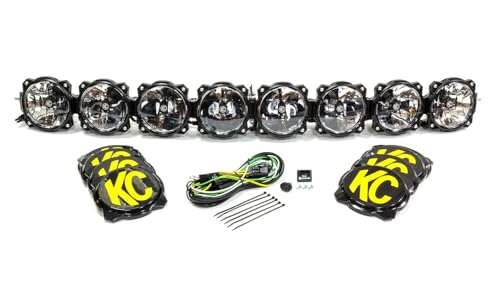
The KC HiLiTES Gravity Pro6 in the 50-inch configuration is the most ambitious lighting solution in this roundup, delivering a staggering 19,616 raw lumens through the brand's patented Gravity LED G6 optical inserts. This is not a light for casual trail users — it is a full-width illumination system designed for high-speed desert pre-running, ranch work across vast open properties, and serious overland expeditions where maximum forward visibility is a safety-critical requirement. The G6 optical system is the defining technology here, offering interchangeable inserts available in Spot, Driving, and Wide-40 beam patterns that allow owners to customize the bar's beam profile for specific use cases without replacing the entire unit.
The modular insert design is genuinely unique in the light bar segment and provides long-term flexibility that fixed-optic bars cannot match. A buyer who initially configures the bar for desert running with primarily spot inserts can later swap to a driving or wide-40 configuration for slower-speed trail work, effectively getting multiple light bars from a single housing investment. The build quality is consistent with KC HiLiTES' decades-long reputation in the off-road lighting industry, with robust mounting hardware and a wiring system designed for the current demands of a 50-inch LED array.
The primary considerations with the Pro6 50-inch system are its size, weight, and aerodynamic impact. A light bar of this length creates meaningful wind resistance and noise at highway speeds, and the roof-rack or windshield-frame mounting required adds complexity to the installation process. The price point reflects the premium engineering and raw output capacity, placing this firmly in the professional and enthusiast tier of the market. For those seeking similar capability in a more manageable size, KC also offers the 32-inch version at 12,260 raw lumens.
Pros:
Cons:
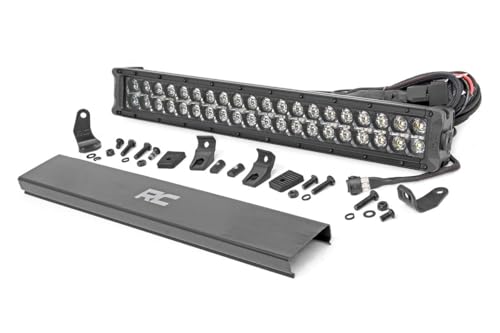
Rough Country has carved out a commanding position in the value segment of the off-road accessories market, and the 20-inch Black Series dual-row light bar demonstrates exactly why. Delivering 18,000 lumens from 40 high-powered 5W CREE LEDs through a combination 5-degree spot and 90-degree flood beam, this bar provides an impressive balance of throw distance and peripheral coverage that competes with units costing significantly more. The built-in amber daytime running lights are a standout feature at this price point, adding both aesthetic appeal and practical visibility during daylight hours when the main beam is not in use.
The blacked-out aesthetic design is a deliberate choice that complements the increasingly popular murdered-out vehicle builds, with the dark housing and panel blending seamlessly with blackout grilles, bull bars, and dark-finished wheels. At 20 inches, this bar hits a versatile size sweet spot — large enough to deliver meaningful illumination for trail work and job sites, yet compact enough to mount on a bumper, behind a grille, or on a sport bar without the aerodynamic penalties of a full-width 50-inch unit. The combo beam pattern eliminates the need for separate spot and flood lights in many applications, simplifying both the installation and the wiring burden. For buyers also investing in truck bed covers and other accessories, the value proposition of Rough Country's pricing allows the budget to stretch further across the entire build.
The trade-offs at this price point are predictable: the optical engineering does not match the precision of Baja Designs' ClearView or KC HiLiTES' G6 systems, and the thermal management relies on passive aluminum heat sinking without the advanced CopperDrive-style technologies found in premium competitors. Long-term durability under sustained high-output use remains the primary question mark, though Rough Country's warranty and broad dealer network provide reasonable assurance for most recreational and light-duty professional applications.
Pros:
Cons:
The Rigid Industries SR-Series Pro in the 10-inch configuration represents the ideal middle ground between compact pod lights and full-size light bars, delivering a spot/drive combo beam pattern from a single slim housing that fits where larger bars cannot. With a rated lifespan exceeding 50,000 hours and a wide 9-36V DC operating range, this bar is engineered for long-term reliability across both 12V automotive and 24V heavy equipment electrical systems. The durable UV-resistant powder coat finish maintains its appearance and protective function through years of sun exposure, chemical contact, and trail debris impacts.
The SR-Series Pro occupies a niche that our team considers one of the most practical in the off-road lighting market: a supplementary light bar that provides meaningful forward illumination without the size, weight, cost, or installation complexity of a full-length unit. Mounted below a bumper, behind a grille insert, or on a sport cage crossbar, the 10-inch form factor provides a focused combination of spot throw and driving-pattern fill that enhances visibility significantly over factory headlights alone. The Rigid brand name carries substantial weight in the off-road community, and the SR-Series Pro maintains the build quality and optical performance that earned that reputation, per the company's extensive racing heritage.
The 10-inch format does impose inherent limitations on total lumen output compared to larger bars in this roundup, and buyers expecting the raw illumination of a 20-inch or 50-inch unit will be disappointed. This is a supplementary or secondary light, not a primary illumination solution for high-speed desert running. However, for the vast majority of trail-speed off-road driving, overland camping setup, and work-site applications, the SR-Series Pro 10-inch delivers more than adequate performance in a package that is easy to install, easy to wire, and easy to live with on a daily-driven vehicle.
Pros:
Cons:
The single most important decision in off-road light selection is beam pattern, as it fundamentally determines how and where the light is useful. Spot beams concentrate output into a narrow cone (typically 8-15 degrees) for maximum throw distance, making them ideal for high-speed desert driving where identifying obstacles hundreds of meters ahead is critical. Flood beams spread light across a wide arc (60-90+ degrees) for peripheral and close-range illumination, excelling in slow-speed trail crawling and camp-site setup. Driving beams occupy the middle ground with moderate throw and moderate spread, while combo patterns integrate both spot and flood optics into a single housing. Our team recommends combo patterns for most buyers, as they provide the best single-fixture versatility, with dedicated spot or flood pods added later as the build and use case evolve.
Off-road lights endure sustained vibration, thermal cycling, water immersion, and high-velocity debris impacts that would destroy consumer-grade fixtures within hours. Housing material matters enormously: die-cast aluminum with powdercoat finish represents the current industry standard for premium lights, providing both structural rigidity and corrosion resistance. The Ingress Protection (IP) rating system quantifies dust and water resistance, with IP67 suitable for most trail applications and IP68/IP69K required for sustained submersion and high-pressure wash environments. Polycarbonate lenses have largely replaced glass across the industry due to superior impact resistance, though buyers should verify UV stabilization to prevent yellowing and light-output degradation over time.
The physical form of an off-road light — pod, round, or bar — dictates mounting options and, by extension, beam coverage geometry. Pod lights (such as the Baja Designs Squadron Pro and RIGID D-Series) offer maximum mounting flexibility with minimal space requirements, making them suitable for A-pillars, ditch brackets, and bumper pockets. Round lights (like the Lightforce Genesis and ARB Solis) deliver superior beam throw from larger reflector diameters but require more substantial mounting provisions. Light bars span the range from compact 10-inch supplementary units to full-width 50-inch primary illumination systems, each with distinct aerodynamic, aesthetic, and installation implications. Our team always recommends planning the mounting strategy before purchasing lights, as the best light in the wrong mounting location delivers compromised results.
Off-road lighting installations must account for current draw, wire gauge, relay protection, and switch integration to ensure safe, reliable operation without overloading the vehicle's electrical system. High-output light bars like the KC HiLiTES Pro6 50-inch system draw substantial amperage that must be routed through an appropriately rated relay and fuse, with dedicated wiring run from the battery — tapping into existing headlight circuits is never acceptable for aftermarket off-road lights. Many premium lights include wiring harnesses (as with the Baja Designs Squadron Pro pair), while others like the ARB Solis require separately purchased looms. The operating voltage range is also a consideration for buyers running dual-battery systems or 24V platforms, where lights rated at 9-36V DC (like the Rigid SR-Series Pro) provide universal compatibility without voltage converters.
Spot beams concentrate light into a narrow cone (typically 8-15 degrees) for maximum distance illumination, ideal for high-speed open-terrain driving. Flood beams spread light across a wide arc of 60 to 90 degrees or more, providing close-range peripheral illumination for trail crawling and work sites. Driving beams occupy the middle ground with moderate throw and spread, suitable as a general-purpose pattern. Combo beams integrate spot and flood optics in a single housing, offering the most versatile single-fixture solution for mixed-use off-road applications.
In most jurisdictions, aftermarket off-road lights must be covered or disconnected while driving on public roads, as their intensity and beam patterns can blind oncoming traffic and violate DOT/ECE lighting regulations. Some lights carry SAE or ECE certifications for specific on-road use cases (such as fog lights or driving lights), but the majority of high-output off-road lights reviewed here are designed exclusively for off-highway use. Local and state regulations vary significantly, so buyers should verify applicable laws before mounting lights that will be used on public roadways.
Effective lumen requirements depend entirely on speed, terrain, and beam pattern. For slow-speed trail crawling under 15 mph, a pair of pod lights producing 2,000-4,000 combined lumens provides adequate visibility. Medium-speed fire road and overlanding use at 25-40 mph benefits from 8,000-15,000 lumens in a combo or driving pattern. High-speed desert pre-running above 50 mph demands 15,000+ lumens in a tightly focused spot pattern for sufficient throw distance. Raw lumen figures are less meaningful than effective lumens — the light actually reaching the target surface after optical losses — which is why beam pattern quality and optical engineering matter as much as raw output numbers.
IP67 is the minimum acceptable rating for off-road lights that will encounter heavy rain, mud, and shallow water crossings, as it certifies protection against temporary submersion to one meter for 30 minutes. IP68 provides enhanced submersion protection at greater depths and durations, suitable for vehicles that regularly ford streams and rivers. IP69K — the highest standard, as seen on the Baja Designs Squadron Pro — adds protection against high-pressure, high-temperature water jets, making it the preferred rating for lights mounted in exposed positions on vehicles that undergo frequent pressure washing or encounter extreme weather conditions.
LED technology dominates the off-road lighting market in 2026 due to superior energy efficiency, instant-on capability, extremely long lifespan (50,000+ hours for quality units), compact packaging, and steadily improving lumen-per-watt ratios. HID (xenon) retains a small niche among buyers who prioritize raw lumen output per dollar, as HID bulbs produce exceptional brightness at lower cost than equivalent LED arrays, but their warm-up time and fragile arc tubes are significant disadvantages for off-road use. Halogen technology is effectively obsolete for serious off-road applications, offering inferior output, efficiency, and lifespan compared to both LED and HID alternatives.
The optimal mounting location depends on the light type and intended use case. Bumper-mounted pod lights in spot or combo patterns provide excellent forward throw with minimal glare reflection off the vehicle's hood. A-pillar or ditch-bracket mounts position lights above hood height for improved downfield visibility but may create hood glare with certain beam patterns. Roof-rack or windshield-frame light bars provide the highest mounting point for maximum range but generate the most wind noise and aerodynamic drag at highway speeds. Behind-grille mounting conceals lights for a factory appearance but limits cooling airflow and may require compatible grille inserts.
The best off-road light is not the brightest one on the shelf — it is the one whose beam pattern, build quality, and mounting configuration match the specific terrain, speed, and conditions where it will actually be used.
 |
 |
 |
 |

About Rachel Park
Rachel Park specializes in the interior and exterior upgrades that meaningfully change how a car looks, sounds, and feels on a daily basis. She has hands-on experience with head unit installations and audio system builds, LED and HID lighting conversions, interior refresh projects, and cosmetic exterior work — evaluated from both a DIY accessibility and quality-of-result perspective. At CarCareTotal, she covers car audio and electronics, lighting upgrades, and interior and exterior styling accessories.
Get some FREE car parts & gear.. Or check out the latest free automotive manuals and build guides here.
Disable your ad blocker to unlock all the hidden deals. Hit the button below 🚗
| | | |
