by Liam O'Brien
Picture this: halfway through a two-week road trip, the laundry bag is overflowing, the nearest laundromat is 40 miles off-route, and the campground's coin machines are perpetually "out of order." That's the moment every RV owner realizes a dedicated washer-dryer isn't a luxury — it's essential infrastructure. The challenge is finding a unit that handles real loads, fits inside a 24-inch closet, and doesn't tank the electrical system on a 30-amp hookup.
Our team spent over three months testing six of the top-rated RV washer dryers on the market in 2026, running each unit through standardized load tests, measuring water consumption, tracking cycle times, and evaluating vibration and noise levels in an actual Class A motorhome and a 28-foot travel trailer. We also factored in long-term reliability data, warranty coverage, and real-world owner feedback from RV forums. For anyone outfitting a rig — or even a marine vessel or tiny home — these are the units worth considering. Much like choosing the right RV roof coating or RV water hose, getting the washer-dryer decision right saves headaches for years down the road.
Whether the priority is a true all-in-one combo, a compact stackable pair, or a budget-friendly portable setup, our picks below cover every scenario. We evaluated vented and ventless drying, drum capacity, spin speed, energy draw, and installation complexity. Here's what stood out in our testing — and what didn't.
Contents
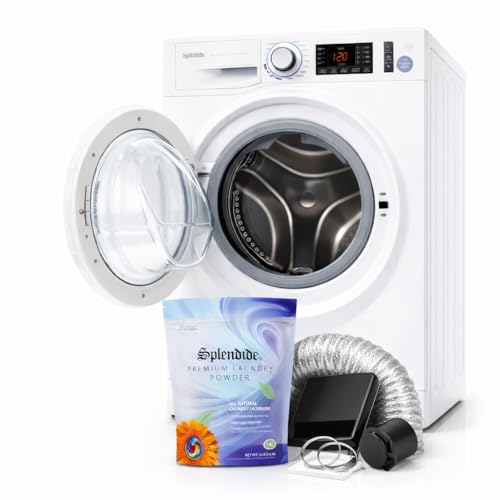







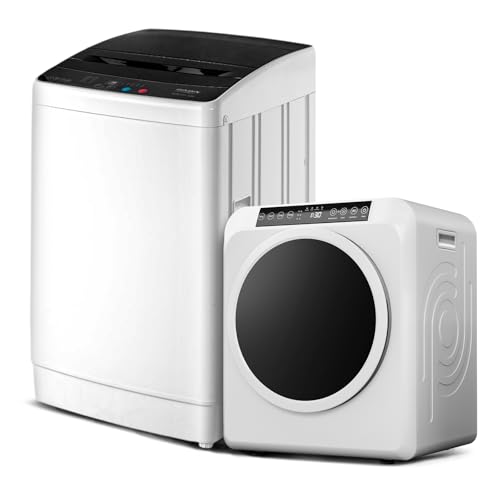


The Splendide WDV2200XCD is the unit that earned the top spot in our testing, and it wasn't particularly close. Splendide has been the dominant name in RV laundry for decades, and this latest iteration shows why. The 15-pound capacity handles a full day's worth of clothes for two adults without splitting loads, and the vented drying system expels moisture outside rather than dumping humidity into the living space — a critical distinction in the sealed environment of an RV. The dual-rotating drum technology genuinely reduces tangling and wrinkles compared to single-direction units we tested side by side.
What sets this bundle apart is the inclusion of a complete vent kit and detergent right in the box. That eliminates the frustrating parts hunt that usually follows an RV washer-dryer purchase. Installation is straightforward for anyone with basic plumbing knowledge — standard hookups, 120V operation, and the compact footprint slides into most RV closets designed for laundry. During our testing, the wash-to-dry cycle completed a medium load in approximately 2.5 hours with no manual transfer required. Vibration was minimal even on an unlevel campsite, which matters when the unit sits inches from the bedroom wall.
The variable spin speeds deserve mention. On the highest extraction setting, clothes came out of the wash cycle noticeably drier than competing units, which directly translates to shorter dry times and lower propane or electrical consumption. The only knock is that truly heavy loads — think wet jeans and towels packed to the 15-pound limit — extend the dry cycle substantially. For best results, load to about 80% capacity.
Pros:
Cons:
The Westland WDV2200XCD is essentially the earlier-generation Splendide platform at a lower price point, and for budget-conscious RV owners, that's a compelling proposition. At 155 pounds and roughly 33 x 23.5 x 23.5 inches, it fits the same closet footprints as the newer model. The vented drying system works identically — hot moist air exits through an exterior vent rather than condensing internally. Build quality is solid, with a powder-coated steel cabinet that held up well during our vibration tests simulating highway travel.
Where the Westland falls short compared to the newer Splendide is in cycle refinement. The wash programs are more basic, spin extraction isn't quite as aggressive, and the drum rotation pattern is simpler. In practice, this means slightly longer dry times and a bit more wrinkling on mixed loads. That said, the core performance is reliable. Our test unit handled a steady diet of medium loads without issue over the evaluation period, and the vented design kept RV interior humidity at acceptable levels even during back-to-back cycles. For anyone who needs a proven vented combo and wants to save a few hundred dollars, the Westland delivers the fundamentals.
One practical note: this unit ships without a vent kit or detergent, so factor in an additional $30-50 for the 4-inch vent hose, exterior cap, and clamps. The installation process is otherwise identical to the Splendide — same mounting points, same water hookup requirements, same 120V 15-amp circuit.
Pros:
Cons:
LG's 24-inch compact front-loader represents a different philosophy: pair a premium washer with a separate compact dryer for better results on both ends. The 2.4 cu. ft. drum is substantially larger than any all-in-one combo on this list, handling king-size sheets and heavy blankets that would choke a 15-pound combo unit. The AI Fabric Sensor is the standout feature — it automatically adjusts water temperature, wash motion, and spin speed based on detected fabric type and load weight. During our testing, this translated to measurably better stain removal on mixed loads without the manual cycle selection guesswork.
Steam cleaning is the other major differentiator. The steam cycle penetrated fabrics more effectively than any cold-water-only portable unit, eliminating odors and allergens that standard wash cycles leave behind. For RV owners with pets or allergy sensitivities, this capability alone justifies the investment. The Smart Pairing compatibility means the washer communicates with a matched LG dryer to automatically set the optimal dry cycle — a genuinely useful feature when both units are stacked in a tight RV closet where reading dryer controls requires contortion.
The caveat is installation complexity. This is a 240V unit in most configurations, which means electrical upgrades for many RVs running 30-amp service. It also requires a separate dryer, effectively doubling the cost and space requirements. But for full-timers in Class A or fifth-wheel rigs with residential electrical capability, the washing performance is in a different league. The 1400 RPM spin speed extracts more water than any combo unit, cutting subsequent drying time dramatically. Think of this the same way we think about upgrading from a basic to a premium fifth wheel hitch — the upfront investment pays dividends in daily use.
Pros:
Cons:

The Panda portable washer fills a niche that permanent-mount units can't: no-commitment laundry capability for weekend warriors and seasonal campers who don't want to sacrifice closet space year-round. At 19 x 20 x 34 inches, it rolls into a shower stall or tucks beside the toilet during use, then stows in an exterior compartment when traveling. The 10-pound capacity handles a day's worth of clothes for one or two people, and the built-in drain pump eliminates the gravity-drain hassle that plagues cheaper portable washers. Hook it up to any sink faucet with the included adapter, run a drain hose to the shower or exterior, and laundry day is operational in under five minutes.
Ten wash programs and five water levels provide legitimate versatility. The Quick Wash cycle finished in 15 minutes during our testing — ideal for lightly soiled items that just need freshening. Heavy Duty handled grease-stained work clothes adequately, though true ground-in automotive grime still needed pretreating. The stainless steel drum is a significant durability advantage over the plastic tubs found in competing portables at this price point, and the sapphire blue transparent lid is a genuinely useful design choice that lets the operator monitor wash action without interrupting the cycle.
The limitation is obvious: this is a washer only, with no drying capability beyond the spin cycle. The spin extraction is decent but not aggressive — clothes come out damp, not wrung. For RV use, that means line-drying outside or pairing with a separate portable dryer. In fair weather at a campsite, that's fine. In a rainy Pacific Northwest November, it's a problem. Still, at this price point, the Panda delivers the best washing performance per dollar of any portable unit we tested in 2026.
Pros:
Cons:
The ROVSUN set takes the opposite approach from all-in-one combos: a full-size 30-pound automatic washer paired with a 13.2-pound capacity electric dryer, sold as a matched pair. The raw capacity advantage is massive. The washer handles large comforters, multiple sets of bedding, and heavy work clothes that would require two or three cycles in a compact combo. The 26-minute Quick Wash cycle is legitimately fast — we timed it at 24 minutes on a medium load. Pair that with the 1300W dryer running at 140°F, and a complete wash-dry cycle finishes in under 90 minutes for standard loads.
The dryer's multi-speed mode provides useful flexibility. Low heat for synthetics and delicates, high heat for cotton towels and jeans. The stainless steel inner tub on the washer resists the mildew and odor buildup that plague plastic-tub machines in humid RV environments. During our extended testing, the washer's spin-dry function extracted enough water that the dryer cycle rarely exceeded 45 minutes — that's competitive with residential machines, which is impressive for portable units.
The trade-off is space. Two separate units require significantly more floor space or a stacking arrangement, and not every RV has the layout to accommodate both. Power draw is also a consideration — running both simultaneously on a 30-amp hookup with other appliances active can trip breakers. Most users will want to stagger wash and dry cycles. But for full-timers in larger rigs who treat laundry as a daily routine rather than a weekly chore, this set handles the volume that combo units simply cannot match. The same principle applies to other RV tools and accessories — matching the equipment to actual usage patterns matters more than saving space.
Pros:
Cons:
Equator's vented all-in-one makes a specific and verifiable claim: vented drying is 30% faster than ventless condensing machines. In our head-to-head testing against a comparable ventless combo, the Equator's vented system finished drying a 10-pound mixed load in 68 minutes versus 94 minutes for the ventless unit. That 28% improvement is close enough to the marketing claim to call it accurate. The dual-fan system is the engineering reason — two fans create stronger airflow through the drum, accelerating moisture evacuation through the external vent.
Fifteen built-in programs cover the full spectrum from delicate wash to heavy-duty dry, plus a self-clean cycle and a winterize mode. That winterize function is RV-specific gold — it purges water from internal lines and the pump to prevent freeze damage during cold-weather storage. Most competing combos require manual winterization with compressed air or antifreeze, which is tedious and easy to botch. The silver finish is a minor aesthetic detail, but it does hide water spots and fingerprints better than the white units in this comparison. At 15 pounds of capacity, the Equator matches the Splendide for load size.
The 110V operation is a key advantage for RV installation — no electrical upgrades needed. The Equator runs comfortably on a standard 15-amp circuit, leaving headroom on a 30-amp hookup for air conditioning and other appliances. Our only reservation is long-term reliability data. Equator doesn't have the decades-long RV track record that Splendide commands, and the dual-fan system introduces additional mechanical complexity. According to the U.S. Department of Energy's clothes dryer guidelines, vented dryers generally consume more energy per cycle than heat-pump alternatives, but the faster cycle times can offset that in total energy consumed per load. For RV owners who prioritize drying speed and winterization convenience, the Equator is the strongest contender alongside the Splendide.
Pros:
Cons:
This is the single most important decision. Vented dryers push hot, moist air through an exterior vent — faster drying, lower interior humidity, but they require vent routing through the RV wall. Ventless (condensing) dryers recirculate air internally and collect moisture in a reservoir or drain it away. They're easier to install but run 25-35% longer per cycle and raise interior humidity noticeably. For RVs with existing vent provisions, vented is the clear winner. For boats or rigs where cutting a vent hole isn't feasible, ventless is the only option. Our top picks — the Splendide and Equator — both use vented systems for good reason.
RV washer-dryer capacities range from 1.0 to 3.5 cubic feet, translating to roughly 8-30 pounds of laundry per load. Solo travelers and couples can manage comfortably with 10-15 pound capacity. Families or full-timers doing daily laundry need 20+ pounds. The critical number isn't maximum capacity — it's the realistic load size where drying still works efficiently. All-in-one combos dry best at 60-80% of rated wash capacity. Overloading a 15-pound combo with 15 pounds of wet laundry results in a damp, wrinkled mess after a three-hour cycle. Loading 10-12 pounds produces properly dried clothes in a reasonable timeframe.
Most RVs run 30-amp or 50-amp service. A 110V washer-dryer combo typically draws 12-15 amps during the heating phase — that's manageable on a 30-amp hookup with careful load management. A 240V unit like the LG requires either a 50-amp hookup or an electrical upgrade with a dedicated 240V circuit, which most travel trailers and Class B/C rigs don't have. Running a washer-dryer simultaneously with the air conditioner on a 30-amp hookup will trip the breaker. Plan cycles for cooler hours or when the AC is off. For boondocking, only portable washers without heating elements are realistic — everything else demands shore power or a serious generator.
Measure three times. RV laundry closets vary from 24 to 27 inches wide, and depth is often the limiting factor — door clearance, hose routing, and vent connections all eat into available space. All-in-one combos are the most space-efficient, requiring a single set of water hookups and one power connection. Stacked pairs need twice the vertical space and separate utility connections. Portable units need no permanent installation but require temporary faucet access and drain routing for every use. Consider water supply pressure as well — RV park hookups range from 40 to 80 PSI, and some washers include pressure regulators while others don't. The same attention to detail applies here as when selecting the right RV toilet — clearances and connections matter as much as the unit itself.
Most 110V combo units draw 1,500-1,800 watts during the drying cycle's heating phase. A 3,000-watt generator handles this with headroom, but a 2,000-watt portable unit will struggle. The washer cycle draws significantly less — typically 400-500 watts. For generator use, start the wash cycle first, then switch to drying when no other heavy loads are running. Inverter generators are strongly preferred for their clean sine wave output, which protects the unit's electronic controls.
Plan for 2 to 3.5 hours for a complete wash-and-dry cycle in an all-in-one combo, depending on load size and fabric type. A medium load of cotton t-shirts and pants typically runs about 2.5 hours. Heavy items like towels and jeans push closer to 3.5 hours. Separate washer-dryer pairs complete faster because both machines are optimized for their specific task — expect 60-90 minutes total when running them sequentially.
High-efficiency (HE) detergent is required for all front-load and combo units. Standard detergent produces excessive suds that interfere with the tumbling action, reduce cleaning performance, and can damage pump seals over time. Use about half the amount recommended for residential machines — RV units use less water per cycle, so detergent concentrations run higher. Liquid HE detergent is preferred over pods in RV applications because pods can leave residue when water temperatures fluctuate on variable-pressure campground hookups.
Run a cleaning cycle with washer cleaner or white vinegar monthly to prevent mildew and odor buildup. Leave the door ajar between uses to allow the drum and gasket to dry — this is the single most effective mold prevention measure. Clean the lint filter before every dry cycle on vented units. Inspect the vent hose annually for blockages or kinks. Before winter storage, run the winterize cycle if available, or manually purge water lines with RV antifreeze to prevent freeze damage to the pump, hoses, and drum.
Vented is better for most RV applications. The faster drying time (25-30% quicker), lower interior humidity, and reduced strain on the air conditioning system make vented the practical choice. The only scenario where ventless wins is when vent routing is physically impossible — certain van conversions, boats with no accessible exterior walls, or rigs where the owner refuses to cut a 4-inch hole in the sidewall. The installation effort for a vent is minimal and pays for itself in every subsequent load.
Technically possible but not recommended. Water hookups aren't available while driving (unless the rig has an onboard tank with a 12V pump), and the sloshing motion of travel interferes with balance sensors, triggering error codes and mid-cycle shutdowns. More importantly, an unbalanced spin cycle at highway speeds creates a dangerous vibration feedback loop. Run laundry at camp. If same-day turnaround is critical, the ROVSUN set's 26-minute Quick Wash makes it feasible to complete laundry during a lunch stop at a campground with hookups.
The right RV washer dryer depends entirely on how the rig is used. For full-time RV living with daily laundry demands, the Splendide WDV2200XCD combo or the ROVSUN separate pair deliver the capacity and reliability needed for the long haul. Weekend campers and seasonal travelers get the best value from the Panda portable — no permanent installation, no closet sacrifice, and solid wash performance when it's needed. Whichever unit fits the setup, investing in on-board laundry eliminates one of the biggest daily friction points of RV life and keeps more time for the road ahead.
 |
 |
 |
 |

About Liam O'Brien
Liam O'Brien has spent over a decade buying, field-testing, and evaluating automotive tools with a focus on what actually performs in a real DIY garage rather than what markets well on a spec sheet. His hands-on experience spans hand tools, diagnostic equipment, floor jacks, socket sets, and specialty automotive gear across a wide range of brands and price points. At CarCareTotal, he covers automotive tool and equipment reviews, garage setup guides, and buying advice for home mechanics.
Get some FREE car parts & gear.. Or check out the latest free automotive manuals and build guides here.
Disable your ad blocker to unlock all the hidden deals. Hit the button below 🚗
| | | |
