Car Care ›
by Diego Ramirez
After testing and comparing dozens of options, the Sta-Lube SL3111 New Generation Wheel Bearing Grease stands out as our top overall pick for 2026 thanks to its versatile disc-and-drum compatibility and consistently reliable performance across temperature extremes. Whether you're repacking trailer bearings before a cross-country haul or maintaining your daily driver, choosing the right wheel bearing grease can mean the difference between smooth, quiet operation and a costly roadside breakdown.

Wheel bearing grease serves as the critical barrier between your hub's metal surfaces, reducing friction, dissipating heat, and keeping moisture and contaminants from destroying precision-machined components. The National Lubricating Grease Institute (NLGI) classifies greases by consistency, with NLGI #2 being the most common specification for automotive wheel bearings. Your specific needs will depend on factors like operating temperature, exposure to water, and whether you're running disc brakes, drum brakes, or both. If you're already keeping up with essential car care maintenance like fluid changes and brake inspections, adding proper wheel bearing service to your routine is a logical next step that protects one of your vehicle's most critical moving assemblies.
We've evaluated seven of the best wheel bearing greases available in 2026, considering factors like temperature range, water resistance, compatibility with different brake systems, and overall value for the money. From budget-friendly multipurpose options to heavy-duty formulations designed for commercial trucks and marine applications, this guide will help you find the grease that matches your specific driving conditions and maintenance goals.
Contents
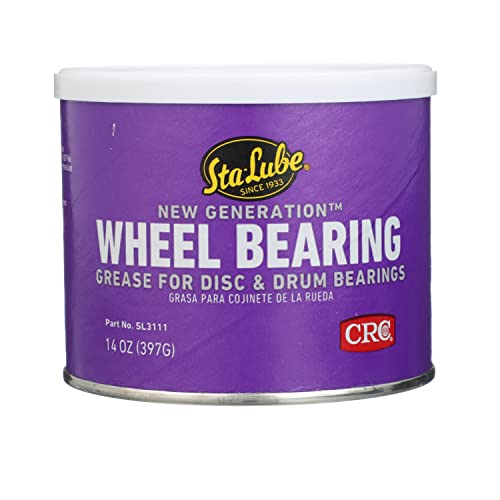




The Sta-Lube SL3111 has earned a well-deserved reputation as one of the most trusted wheel bearing greases on the market, and its 2026 formulation continues that legacy without compromise. Designed specifically for both disc and drum brake applications, this grease eliminates the guesswork of figuring out which product works with your particular setup. It's built to professional-grade standards, which means you're getting the same quality that many commercial shops rely on for their daily bearing service work.
What makes the SL3111 particularly impressive is its ability to maintain consistent viscosity across a wide temperature range, so you won't experience thinning during hot summer highway driving or stiffening in cold winter conditions. The 14-ounce can provides enough product for multiple bearing repack jobs, making it a solid value for DIY mechanics who maintain several vehicles. Application is straightforward with a smooth, workable texture that packs into bearing races without excessive mess or resistance.
If you're someone who prefers a single, reliable product that handles virtually any passenger vehicle or light truck bearing application, the SL3111 is the kind of set-it-and-forget-it choice that delivers peace of mind on every drive.
Pros:
Cons:
Lucas Oil's Red 'N' Tacky has become something of a legend in the automotive maintenance world, and for good reason — it's a genuinely versatile multipurpose grease that handles wheel bearings, chassis points, U-joints, and ball joints with equal competence. The distinctive red color makes it easy to identify during inspections, and the tacky formulation clings to metal surfaces far better than conventional greases that tend to sling off under centrifugal force. For the price point, you'd be hard-pressed to find a more capable all-around lubricant in 2026.
The universal fit designation means this grease works across virtually every vehicle platform you're likely to encounter in a home garage, from compact sedans to full-size trucks and SUVs. Its staying power is particularly noteworthy — the tacky polymer base resists washout from rain and road spray, which makes it a solid choice if you're maintaining vehicles that see frequent wet-weather driving. Many owners also appreciate being able to use one grease for multiple maintenance tasks rather than keeping several specialized products on the shelf.
While it may lack some of the extreme-pressure additives found in premium synthetic formulations, the Red 'N' Tacky delivers more than enough protection for standard passenger vehicle wheel bearings under normal driving conditions. It's also an excellent option if you're maintaining equipment beyond your vehicles, like lawn mowers, trailers, or shop machinery, since the same tube handles all of those applications. If you're someone who also keeps your vehicle's exterior in shape with products like those in our best car waxes roundup, think of this grease as the under-the-hood equivalent of that kind of routine care.
Pros:
Cons:
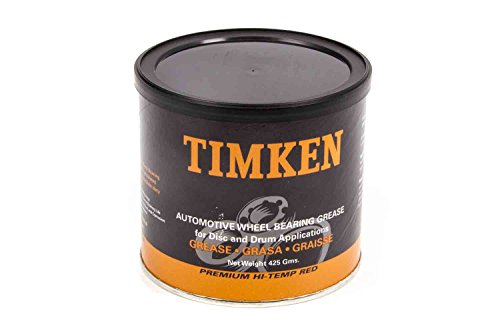
When you see the Timken name on a bearing product, you know you're dealing with a company that has over a century of experience in precision bearing engineering, and this premium red grease lives up to that pedigree completely. The ALL78241 is specifically formulated to handle the demanding thermal cycles that disc and drum brake systems generate, with a high-temperature formulation that maintains its protective film even when things get seriously hot. The built-in corrosion inhibitors add another layer of defense that's especially valuable if your vehicle sits for extended periods between drives.
The 16-ounce tub format is a nice touch that sets this product apart from the standard 14-ounce cans most competitors offer, giving you roughly 15% more product per purchase. The grease itself has a smooth, buttery consistency that packs into bearing races with minimal effort, and the anti-wear additives provide measurable protection against the metal-on-metal contact that accelerates bearing degradation over time. Water-resistant additives round out the formulation, ensuring that your bearings stay protected even after driving through standing water or heavy rainfall.
For owners who tow frequently, drive in mountainous terrain, or otherwise subject their brakes and bearings to sustained high-temperature operation, the Timken brand premium grease offers a meaningful step up in thermal protection compared to standard wheel bearing products on the market today.
Pros:
Cons:
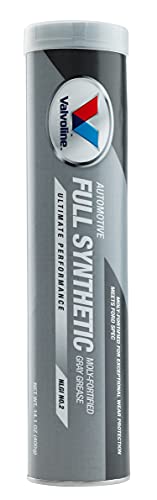
Valvoline brings its considerable lubricant expertise to the grease aisle with this full synthetic, moly-fortified formulation that represents the premium end of wheel bearing protection in 2026. Molybdenum disulfide — the "moly" in the name — is a solid lubricant additive that creates an additional protective layer on metal surfaces, meaning your bearings maintain a lubricating film even under loads that would squeeze conventional grease out of the contact zone. The full synthetic base oil provides superior thermal stability and oxidation resistance compared to conventional petroleum-based alternatives.
The extreme pressure additives in this formulation give it exceptional load-carrying capability, which translates directly to longer bearing life in vehicles that regularly carry heavy payloads or tow trailers. Valvoline has also included rust and oxidation inhibitors that protect against the corrosive effects of moisture intrusion, road salt, and environmental contaminants. The 14.1-ounce cartridge format is designed to fit standard grease guns, which is a significant convenience advantage over tub-format products that require messy hand-packing.
If you're the type of vehicle owner who runs full synthetic motor oil and premium brake fluid, stepping up to a full synthetic grease for your wheel bearings is the logical extension of that maintenance philosophy. The moly fortification is particularly beneficial for heavy trucks, fifth-wheel setups, and vehicles that regularly operate near their gross vehicle weight rating. Keeping your braking system in top condition is just as important — check out our guide to the best brake pads to make sure your stopping power matches your bearing protection.
Pros:
Cons:
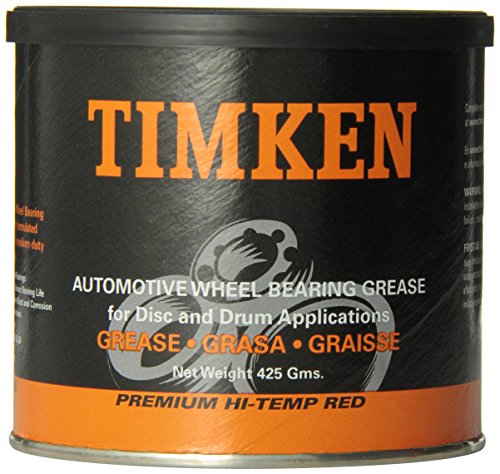
The TIMKEN GR224TUB is the company's flagship wheel bearing grease, and it's the product that many professional mechanics reach for when they want a no-compromise solution that works perfectly with both disc and drum applications. Timken designs this grease to complement their own bearing products, which means the formulation is engineered with an intimate understanding of exactly what wheel bearings need to perform at their best over tens of thousands of miles. The corrosion inhibitors are particularly robust, providing long-term protection against the moisture and road chemicals that are the primary enemies of bearing longevity.
Anti-wear additives work alongside the base formulation to reduce metal-to-metal contact during those critical moments when the bearing is under heavy load, such as cornering at speed or braking hard from highway velocities. The grease maintains its NLGI #2 consistency throughout its service life, which means it won't thin out and leak from bearing seals or thicken up and create excessive drag on cold mornings. This consistency stability is one of those subtle quality indicators that separates premium bearing greases from budget alternatives.
For vehicle owners who prefer to match their grease to their bearing manufacturer — a practice that many professionals recommend — the GR224TUB is the obvious choice if you're running Timken bearings, which are among the most widely installed aftermarket bearings in North America.
Pros:
Cons:
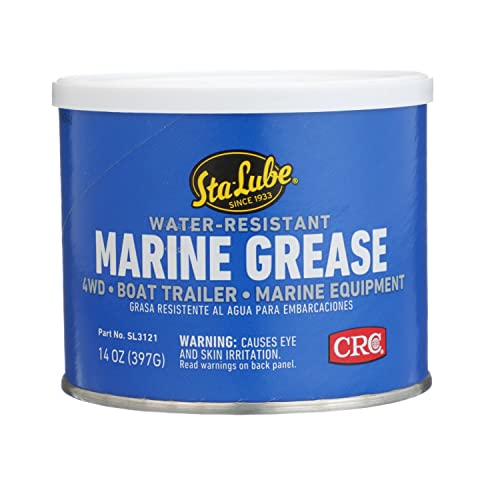
If your wheel bearings regularly encounter water — whether you're launching a boat trailer at the ramp, driving through flooded roads, or operating in consistently wet climates — the Sta-Lube SL3121 Marine Grease is purpose-built to handle exactly those conditions without breaking down. This blue aluminum complex grease uses a highly refined base oil combined with polymer additives that create adhesive, non-bleed characteristics specifically designed to resist water washout under even the most severe conditions you're likely to encounter.
The tacky formulation clings tenaciously to bearing surfaces and refuses to emulsify when water intrudes past the seals, which is the failure mode that destroys standard wheel bearing greases in marine and wet-weather applications. The distinctive blue color serves a practical purpose beyond aesthetics — it makes it immediately obvious during inspections whether the grease is still present and in good condition, or whether water has displaced it and a repack is needed. The 14-ounce tub provides plenty of product for boat trailer bearings, which typically need more frequent service than standard automotive applications.
While you can certainly use this grease in standard automotive wheel bearings, its real value proposition is in applications where water exposure is the primary threat to bearing life, and no other product on this list matches its water resistance performance.
Pros:
Cons:
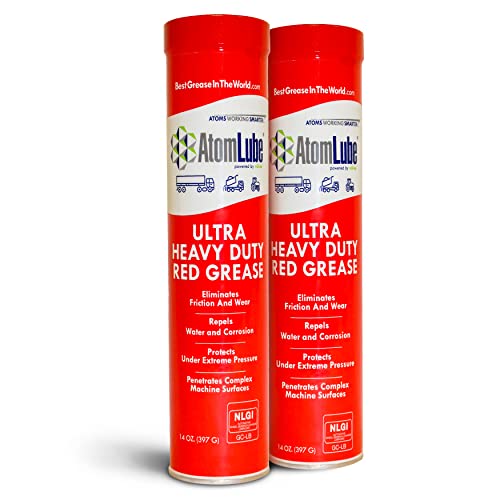
The AtomLube Ultra Heavy Duty Red Grease enters our 2026 roundup as a compelling option for owners of semi trucks, heavy equipment, and commercial vehicles that demand more from their bearing grease than standard passenger vehicle formulations can deliver. This NLGI #2 rated grease is engineered for what AtomLube calls "extended chemomechanical durability," which in practical terms means it holds up under the kind of sustained heavy loads and high temperatures that would break down lesser products within a fraction of the normal service interval.
The waterproof formulation develops strong adhesion to metal surfaces, giving it impressive stay-in-place power that prevents the grease from being displaced by vibration, centrifugal force, or water intrusion during severe operating conditions. AtomLube specifically highlights the product's high resistance to oxidation and washout, which directly translates to longer intervals between regreasing — a meaningful cost and time savings for fleet operators managing dozens or hundreds of vehicles. The two-pack of 14-ounce tubes represents solid value for high-volume users who go through grease quickly.
If you're maintaining commercial vehicles or heavy equipment and you need a grease that can handle extreme pressures and elevated temperatures day after day without degrading, the AtomLube Heavy Duty Red Grease is built to meet those demands reliably. It's also worth considering if you maintain truck tool boxes and other accessories on work vehicles that benefit from a durable all-purpose lubricant for hinges and latches.
Pros:
Cons:
The base oil and thickener system are the two most important factors that determine how a wheel bearing grease performs across different conditions. Lithium-based greases like the Lucas Oil Red 'N' Tacky and Timken products are the most common and widely compatible, making them safe choices for general automotive use. Aluminum complex greases, like the Sta-Lube SL3121, offer superior water resistance but shouldn't be mixed with lithium-based products already in your bearings. Full synthetic options, like the Valvoline Moly-Fortified, provide the widest temperature operating range and longest service life, but come at a premium price that may not be justified for light-duty applications. Your decision here should be guided by your most demanding operating condition — if you regularly encounter extreme heat, choose a synthetic, and if water exposure is your primary concern, go with an aluminum complex formulation.
Wheel bearings generate significant heat during normal operation, and that heat increases dramatically during heavy braking, towing, or sustained high-speed driving. You need a grease with a dropping point well above the maximum temperature your bearings will experience, because once grease reaches its dropping point it liquefies and runs out of the bearing, leaving metal-on-metal contact that leads to rapid failure. For standard commuting, most NLGI #2 greases handle temperatures adequately, but if you tow regularly or drive in mountainous terrain with sustained braking, look for products specifically rated for high-temperature applications. The Allstar Timken and Valvoline products on this list are particularly strong in this category, making them the better choices for vehicles that operate under thermal stress.
Water is the silent killer of wheel bearings, and any grease you choose should offer at least basic water resistance to handle normal road spray and wet-weather driving conditions. However, if you're servicing boat trailer bearings that get submerged at the launch ramp, or if you regularly drive through standing water or operate in coastal salt-air environments, standard water resistance isn't enough. The Sta-Lube SL3121 Marine Grease is specifically formulated for these extreme wet conditions, with polymer-enhanced adhesion that prevents water from displacing the grease film on bearing surfaces. Corrosion inhibitors are equally important for long-term protection, especially if your vehicle sits for extended periods between drives, because moisture condensation inside the hub can corrode bearing races even when the vehicle isn't moving.
Before you purchase any wheel bearing grease, you need to confirm it's compatible with whatever grease is already in your bearings — mixing incompatible grease types can cause softening, hardening, or separation that compromises the protective film. As a general rule, lithium complex greases are compatible with other lithium-based products, but aluminum complex and polyurea greases should never be mixed with lithium formulations. You should also consider the packaging format: cartridge-style products like the Valvoline work directly with standard grease guns for clean application, while tub and can formats require hand-packing or a bulk-loading adapter for your grease gun. If you're doing the work yourself in your garage, hand-packing is perfectly effective, but the cartridge format saves time and reduces mess considerably.
For most passenger vehicles with serviceable wheel bearings, repacking every 30,000 miles or every two years is a solid baseline, though you should always check your vehicle's owner manual for the manufacturer's specific recommendation. Vehicles that tow regularly, operate in wet conditions, or see heavy-duty use should be inspected and repacked more frequently, typically every 12,000 to 15,000 miles. Boat trailer bearings need attention before each season and ideally after every submersion at the launch ramp, since water intrusion is nearly unavoidable in those applications.
Mixing greases with the same thickener type — such as two different lithium complex greases — is generally safe and won't cause compatibility issues in most cases. However, you should never mix greases with different thickener systems, such as a lithium-based grease with an aluminum complex or polyurea grease, because the interaction can cause the mixture to soften, harden, or separate in unpredictable ways. When switching to a new grease type, the safest practice is to completely clean the old grease out of the bearing and hub before applying the new product.
The NLGI grade indicates the grease's consistency, with #2 being firmer than #1. NLGI #2 is the standard specification for most automotive wheel bearing applications because it stays in place well and provides reliable sealing against contaminants, while #1 is softer and flows more easily into tight spaces. Some cold-climate applications benefit from NLGI #1 because it reduces startup drag in extremely low temperatures, but for the vast majority of drivers, NLGI #2 is the correct choice for wheel bearings in 2026 vehicles.
Synthetic grease offers measurable advantages in temperature range, oxidation resistance, and service life that justify the premium for vehicles operating under demanding conditions. If you tow heavy loads, drive in extreme heat or cold, or want the longest possible interval between bearing service, a synthetic like the Valvoline Moly-Fortified is a worthwhile investment that pays for itself in reduced maintenance frequency. For standard commuter vehicles driven in moderate climates, conventional lithium-based greases provide more than adequate protection at a significantly lower cost per application.
The most common early warning sign is a humming or growling noise that changes pitch with vehicle speed and becomes louder during turns, which indicates the bearing surfaces are no longer properly lubricated or have begun to deteriorate. You might also notice a slight vibration through the steering wheel or a feeling of looseness when you grab the tire at the 12 and 6 o'clock positions and rock it back and forth with the vehicle jacked up. If you catch these symptoms early, a thorough cleaning and repack with fresh grease can sometimes restore normal operation, but significant pitting or discoloration on the bearing races means replacement is the only safe option.
Unopened wheel bearing grease typically has a shelf life of three to five years when stored in a cool, dry location away from direct sunlight and temperature extremes, though this varies by formulation and manufacturer. Once opened, the grease can begin to oxidize and the oil may separate from the thickener, which reduces its protective capabilities over time. You should inspect any grease that's been open for more than a year — if it appears dried out, has a hardened crust on the surface, or shows significant oil separation, it's best to discard it and use a fresh supply for your bearing service.
 |
 |
 |
 |

About Diego Ramirez
Diego Ramirez has been wrenching on cars since his teenage years and has built a deep practical knowledge of automotive maintenance and paint protection through years of hands-on work. He specializes in fluid service intervals, preventive care routines, exterior protection products, and the consistent habits that extend a vehicle's lifespan well beyond average. At CarCareTotal, he covers car care guides, cleaning and detailing products, and exterior maintenance and protection reviews.
Get some FREE car parts & gear.. Or check out the latest free automotive manuals and build guides here.
Disable your ad blocker to unlock all the hidden deals. Hit the button below 🚗
| | | |
