Car Care ›
by Diego Ramirez
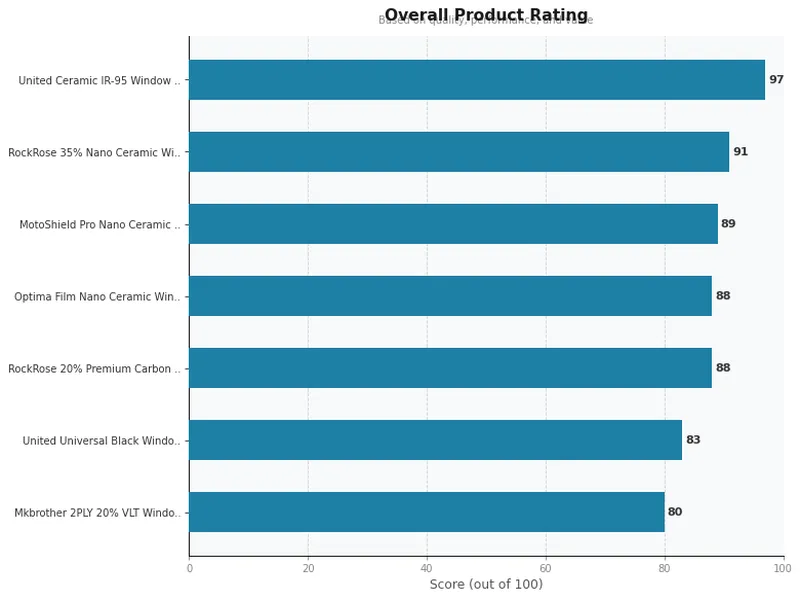
Which window tint actually delivers on its UV and heat rejection claims — and which ones start bubbling after six months? After testing and comparing the top films available in 2026, the RockRose 35% Nano Ceramic stands out as our top overall pick for its combination of heat rejection, optical clarity, and value per square foot. But the best tint for your vehicle depends on your VLT needs, local regulations, and whether you prioritize privacy or maximum visibility.
Window tint technology has advanced significantly. Nano ceramic films now block 85–95% of infrared radiation without the signal interference issues that plagued older metallic films. Carbon films offer a budget-friendly middle ground, while dyed films have largely fallen out of favor for automotive use. The products on this list span every price point and VLT level, from a near-clear 70% windshield film to a dark 15% privacy tint — all sourced from brands with proven track records in the car care space.
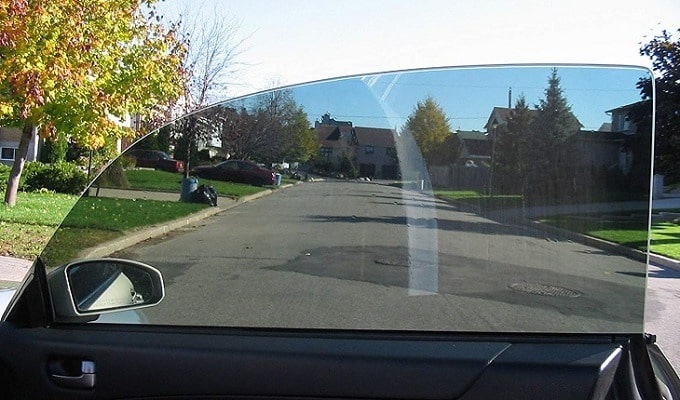
Whether you are doing a full DIY install on a weekend or handing a roll to your local shop, choosing the right film upfront saves you money and frustration. A cheap tint that purples or peels means doing the job twice. We evaluated adhesive quality, shrink behavior on curved glass, IR and UV rejection specs, and real-world haze levels to narrow down these seven picks. If you are also upgrading your vehicle's glass clarity, our guide to the best automotive glass cleaners pairs well with any tint install.
Contents





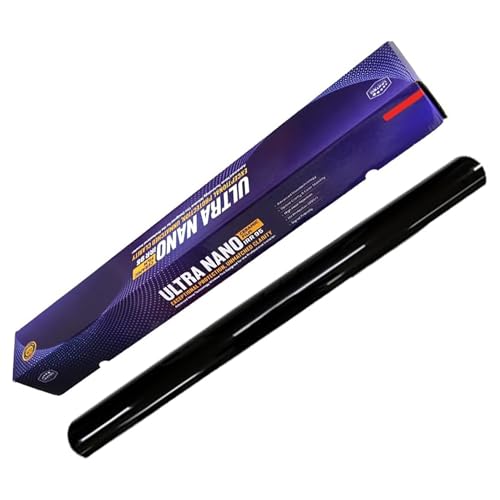


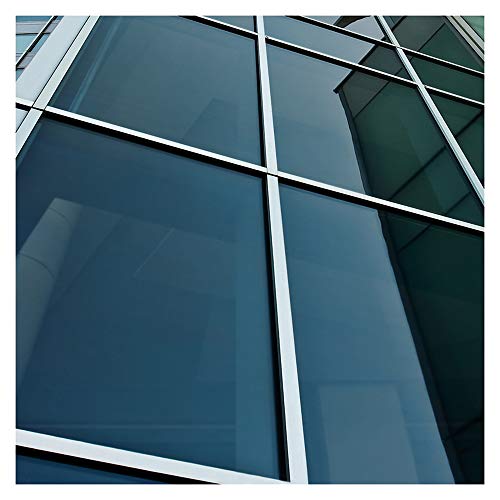
The 3M Color Stable CS35 is the name-brand option that installers have trusted for years — and the 2026 version continues that legacy. This is a dyed film with 3M's proprietary color-stable technology, which means it resists the purple fading that plagues cheaper dyed tints. At 35% VLT, it sits in the sweet spot for most state regulations while still providing meaningful glare reduction and a clean, factory-like appearance.
The 36-inch by 5-foot roll gives you approximately 15 square feet of material — enough for the side windows on most sedans but likely not enough for a full vehicle including the rear windshield. You will need to purchase multiple rolls or step up to a larger size for complete coverage. 3M offers the CS35 in multiple widths, and the included Instawraps Pro-Wrapping Glove is a thoughtful addition for DIY installers who do not already own a proper application glove.
Where the CS35 falls short compared to the ceramic and carbon films on this list is raw heat rejection. Dyed films simply cannot match the infrared blocking performance of nano ceramic technology. You get solid UV protection and color stability, but on a scorching July afternoon, the cabin temperature difference between this and a ceramic film is noticeable. That said, for buyers who want the 3M warranty backing and a proven color-stable formula at a lower price point, the CS35 delivers.
Pros:
Cons:

The RockRose 35% Nano Ceramic is our top pick for 2026, and it earns that spot on the strength of its heat rejection specs, haze-free optical clarity, and generous 25-foot roll length. At 99% UV rejection and 85% infrared radiation blocking, this 2PLY nano ceramic film punches at the same performance tier as films costing two to three times as much. The 35% VLT is legal in most US states for side windows, giving you solid privacy without attracting unwanted attention from law enforcement.
RockRose uses optical-grade PET in their 2PLY construction, and the difference is visible. Hold this film up to a light source and compare it to a budget ceramic — the RockRose shows zero haze. That clarity matters for nighttime driving, where inferior films create a distracting milky appearance that reduces your ability to see pedestrians and road markings. The adhesive is strong enough to stay put for years but still workable during installation, which is the balance every DIYer wants.
The 36-inch by 25-foot roll provides 75 square feet of material. That is enough for a full sedan plus mistakes, or two compact cars if you are efficient with your cuts. For shops, the value per square foot is hard to beat at this quality level. The charcoal color is a true neutral that does not shift blue or green over time. If you are tinting your entire vehicle and want one roll that covers everything, this is the one to buy.
Pros:
Cons:

If you want more privacy than the 35% VLT option provides, the RockRose 20% Nano Ceramic delivers the same nano ceramic technology in a darker shade. At 20% VLT, this film makes it genuinely difficult for people outside the vehicle to see your interior during the daytime, while still allowing adequate visibility for the driver — especially in well-lit conditions. The same 99% UV and 85% IR rejection specs apply here.
The 15-foot roll is shorter than the 35% version, giving you about 45 square feet of material. That is enough for a full set of side and rear windows on most vehicles, though you will want to measure your rear windshield carefully before committing. The 2PLY nano ceramic construction is identical to its 35% sibling — same optical-grade PET, same haze-free clarity, same strong adhesive. The only difference is how much light passes through.
One important note: 20% VLT is not legal on front side windows in many states. Check your local tint laws before installing this on anything forward of the B-pillar. For rear windows and the back windshield, 20% is legal virtually everywhere and provides an excellent balance of privacy and heat rejection. If you live in a state with permissive tint laws (like Texas or Arizona), running 20% all around gives your vehicle a clean, uniform look with serious thermal performance.
Pros:
Cons:

The United Ultra Nano Ceramic stands out with its aggressive heat rejection numbers: 80–90% infrared rejection and 50–66% total solar energy rejection. Those are professional-grade specs, and they translate to a noticeable difference in cabin temperature — particularly for drivers in the southern states who park their vehicles in direct sunlight. The 15% VLT makes this a dark tint intended primarily for rear windows, though states with relaxed regulations allow it on sides as well.
At 100 feet, this is the longest roll on our list by a wide margin. It is clearly aimed at professional shops and serious DIYers who plan to tint multiple vehicles. The cost per square foot drops significantly at this quantity, making it one of the most economical ceramic films available in 2026. United uses a non-dyed composition with optical-grade PET that ensures the film will not change color over time — a critical factor for shops that need to stand behind their work with a warranty.
The adhesive is durable and color-stable, and the film handles heat shrinking well on curved glass. United has been quietly building a reputation among professional tint installers, and this Ultra Nano Ceramic line is the reason. The 2PLY construction provides a nice thickness that resists creasing during installation without being so thick that it fights you on tight curves. For maximum heat rejection and privacy on rear glass, the United 15% is the best performer in this roundup.
Pros:
Cons:

MotoShield Pro takes a different approach with their carbon-based film. Hand-assembled in the USA, this 25% VLT tint uses nano carbon particles instead of ceramic to achieve its heat and UV rejection. Carbon films offer a matte-black finish that many enthusiasts prefer over the slightly shinier appearance of some ceramic films. The 99% UV blocking is on par with the ceramic options on this list, and the infrared reduction — while not as high as pure ceramic — is still substantial enough to make a real comfort difference.
The standout feature here is the custom-cut service. When you order through MotoShield Pro, you can provide your vehicle specifications and receive pre-cut pieces rather than a raw roll. This eliminates the most difficult and error-prone part of DIY tint installation: cutting the film to match your exact window shape. For first-time installers, this alone justifies choosing MotoShield Pro over a raw roll product. The 1.5-mil thickness keeps the film manageable during application.
The 30-inch by 10-foot roll in the standard option gives you about 25 square feet — enough for side windows on most vehicles. Note the 30-inch width rather than the 36-inch width most competitors offer. Depending on your vehicle, this may or may not cover your rear windshield in a single piece. If you have a sedan with a tall rear window, measure before buying. The carbon construction means zero electronic signal interference, so your GPS, phone, and toll transponders work without issue.
Pros:
Cons:

The BDF NA35 is the budget-friendly workhorse on this list. At 35% VLT with a natural black finish, it provides meaningful heat control and 99% UV blocking without the premium price of ceramic or carbon films. BDF has been making window films for decades, and the NA35 reflects that experience — it is a straightforward, reliable product that does exactly what it promises without pretending to be something it is not.
This film is equally suited for automotive and residential applications. The strong adhesive with a release liner makes installation manageable, though BDF's own instructions emphasize using generous amounts of soapy water on both the adhesive side and the glass surface. This is not optional — the adhesive on the NA35 is aggressive, and once it contacts dry glass, repositioning becomes nearly impossible. Take your time with the slip solution and you will get a clean, bubble-free install.
The 36-inch by 12-foot roll gives you about 36 square feet, which is enough for a full set of car windows with some material to spare. At this price point, the BDF NA35 lets you tint your vehicle for a fraction of what a shop would charge, and the results — while not matching a professional ceramic install — are perfectly acceptable for most drivers. The natural black finish lets in more light than you might expect from a "tinted" film, making it ideal for drivers who want heat reduction without a dark, limo-style appearance. Pair it with a fresh set of quality windshield wipers and clean glass for the best overall visibility.
Pros:
Cons:

The TOYOCO 70% VLT fills a niche that most window tint brands ignore: a nearly clear ceramic film designed for windshields and front side windows where dark tint is illegal. At 70% visible light transmission, this film is barely noticeable to the eye, yet it blocks over 99% of UV rays and over 92% of infrared radiation. That is remarkable performance from a film you can hardly see. For drivers in hot climates who want heat protection on their windshield without violating tint laws, this is the go-to product.
The 20-inch by 10-foot roll is sized specifically for windshield strips and smaller applications. You will not be tinting a full vehicle with this — it is a specialty product for the front glass where every other film on this list would be too dark. The ceramic construction provides scratch resistance and shatter-holding properties that add a safety element beyond just heat rejection. In the event of an impact, the film helps hold glass fragments together rather than letting them scatter into the cabin.
TOYOCO recommends this film for areas with low latitude and extended sunshine hours, and that tracks with our experience. If you are in Phoenix, Miami, or Houston, adding a 70% ceramic film to your windshield is one of the most effective single upgrades you can make for driving comfort. The reduction in dashboard heat and steering wheel temperature is immediately noticeable, and you maintain full visibility for safe driving day and night.
Pros:
Cons:

The single most important decision is which film technology to buy. Here is how they stack up:
Skip metallic films entirely in 2026. They interfere with GPS, cellular, and toll transponder signals, and the technology has been surpassed by ceramic in every measurable way.
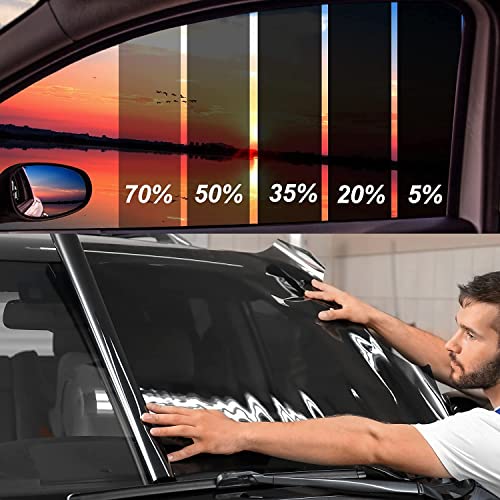
Visible Light Transmission (VLT) is the percentage of light that passes through the film. Lower numbers mean darker tint. Before buying, check your state's tint regulations — they vary significantly. According to the National Highway Traffic Safety Administration, federal law does not regulate window tint, leaving it to individual states. Most states allow 35% VLT on front side windows and any darkness on rear windows. Here are the general guidelines:
Window tint rolls come in various widths and lengths, and matching the roll to your project avoids waste and extra purchases. A standard sedan needs approximately 40–60 square feet for full coverage including the rear windshield. SUVs and trucks require more. Consider these factors:
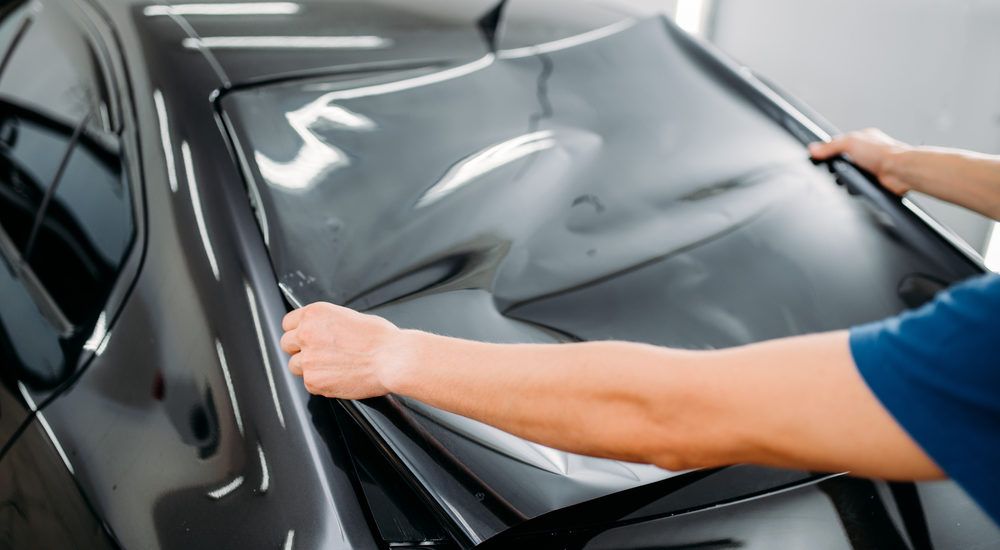
Professional tint installation typically costs $200–$500 depending on the vehicle and film quality. DIY installation with a quality film from this list can save you 60–80% of that cost. However, a bad DIY job with bubbles, creases, or peeling edges looks worse than no tint at all. Here is what you need for a successful DIY install:
Start with the smallest, flattest side windows to build your technique before attempting the curved rear windshield. The rear window is always the most difficult piece — if you are not confident, consider having a shop do just that panel while you handle the sides yourself.
Most window tint films take 2–4 days to fully cure in warm weather and up to 2–4 weeks in cold or cloudy conditions. During the curing process, you may notice small water bubbles or a hazy appearance — this is normal and will clear as the adhesive dries. Do not roll down your windows or clean the tinted surface until the film is fully cured. The adhesive needs uninterrupted contact with the glass to bond properly.
No. Ceramic and carbon window tints do not interfere with GPS, cellular signals, Bluetooth, toll transponders, or radio reception. This was a legitimate concern with older metallic tint films, which used metal particles that blocked radio frequencies. Modern nano ceramic films use non-conductive ceramic particles that reject heat through infrared absorption rather than reflection, so all your electronics work normally.
For front side windows, 35% VLT is the most common legal limit across US states, though some states allow 25% or even 20%. Rear side windows and the rear windshield typically have more relaxed regulations, with many states allowing any darkness level. A handful of states — including New Jersey and Vermont — have very strict front-window regulations. Always verify your specific state's laws before installation, as penalties can include fines and mandatory removal.
Yes, and the films on this list are all suitable for DIY installation. The key factors for success are a clean workspace, proper tools (squeegee, slip solution, heat gun, precision knife), and patience. Flat side windows are straightforward for beginners. Curved rear windshields are significantly more challenging and require careful heat shrinking. Budget extra material for your first attempt — even experienced installers occasionally crease a piece on a difficult curve.
The most effective method is steaming. A handheld garment steamer softens the adhesive, allowing you to peel the film in large sections. Alternatively, spray the film with soapy ammonia solution, cover with a black trash bag, and park in direct sunlight for several hours — the heat softens the adhesive. After removing the film, clean residual adhesive with a razor blade and adhesive remover. Avoid using metal razors on rear defroster lines, as you can easily damage the heating elements.
For most drivers, yes. Nano ceramic tint blocks 2–3 times more infrared heat than dyed film, lasts significantly longer without fading or discoloring, and maintains better optical clarity. The upfront cost difference is typically $50–$150 for a DIY roll, but the ceramic film will still look and perform like new in 5–7 years when a dyed film would already need replacement. If you drive daily in a warm climate, the cabin comfort improvement alone justifies the upgrade.
 |
 |
 |
 |

About Diego Ramirez
Diego Ramirez has been wrenching on cars since his teenage years and has built a deep practical knowledge of automotive maintenance and paint protection through years of hands-on work. He specializes in fluid service intervals, preventive care routines, exterior protection products, and the consistent habits that extend a vehicle's lifespan well beyond average. At CarCareTotal, he covers car care guides, cleaning and detailing products, and exterior maintenance and protection reviews.
Get some FREE car parts & gear.. Or check out the latest free automotive manuals and build guides here.
Disable your ad blocker to unlock all the hidden deals. Hit the button below 🚗
| | | |
