Car Care ›
by Diego Ramirez
You're standing in the automotive aisle, holding two different cans of chrome spray paint, trying to decide which one will actually deliver that mirror-bright finish you've been picturing on your freshly restored rims or engine bay trim. The packaging all looks similar, the promises sound identical, and yet the results can vary wildly once you start spraying. After testing and researching the leading chrome aerosols available in 2026, we've assembled this definitive guide so you can skip the guesswork and get straight to the results.
Chrome spray paint occupies a fascinating niche in the automotive finishing world — it sits somewhere between decorative lacquer and functional protective coating, and the best products manage to do both jobs convincingly. Whether you're refreshing oxidized automotive trim, dressing up a set of aluminum wheels, or adding a metallic accent to an engine component, the formulation you choose determines whether your project looks professionally finished or obviously DIY. Understanding what separates a genuine chrome-effect lacquer from a standard metallic silver is the first step toward making the right call for your car care project.
The market for chrome aerosols has matured considerably, with specialized formulations now targeting everything from high-heat engine applications to ultra-reflective mirror finishes for scale models and custom builds. We've evaluated each product on adhesion, reflectivity, durability, ease of application, and value — the five criteria that actually matter when you're investing time and money into a finishing project. Check our rust prevention spray guide as well, since proper surface prep and corrosion protection are essential companions to any chrome spray paint project.
Contents







Rust-Oleum has built its reputation on delivering professional-grade results from aerosol cans, and the 340558 Automotive Custom Chrome lives up to that legacy with a one-step lacquer formula that produces an exceptional shine right out of the can. Designed specifically for automotive applications, this 10-ounce aerosol handles rims, interior trim accents, and decorative striping with equal competence, laying down a mirror-bright finish that adheres tenaciously to properly prepped metal, plastic, and previously painted surfaces. The quick-dry chemistry is one of its most practical advantages — you're touching the surface within 10 minutes of application, and the recoat-anytime formulation means you can layer additional passes without waiting on rigid dry windows.
What sets this Rust-Oleum apart from generic metallic silvers is the depth of the chrome illusion it creates, particularly when applied over a flat black basecoat as the manufacturer recommends. The lacquer carrier gives the finish a liquid quality that most enamel-based competitors simply cannot replicate, and the coverage per can is generous enough to handle a full set of four standard wheels with coats to spare. For 2026, this remains the go-to choice for automotive enthusiasts who want a chrome effect that actually reads as chrome rather than shiny grey from across the driveway.
Application requires decent technique — thin, overlapping passes from 10 to 12 inches produce far better results than thick single coats, which tend to sag on vertical surfaces. The lacquer chemistry also means you need to plan for compatibility if you're spraying over existing enamel or urethane, since solvent bleed can cause adhesion failures on incompatible substrates. That caveat aside, this is the product that delivers the most consistently impressive chrome illusion in its price class.
Pros:
Cons:
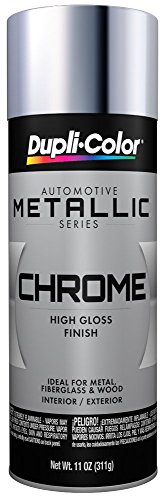
Dupli-Color's ECS101007 takes a different approach to the chrome finish challenge by using a metallic enamel formulation that emphasizes durability and gloss retention over the absolute mirror brilliance of a lacquer-based product. The result is a finish that reads as a convincing, high-gloss metallic chrome on automotive trim pieces, door handles, mirror housings, and interior accents — surfaces that see daily handling and need a coating that resists chipping and abrasion over time. The 11-ounce can delivers more volume than most competitors, and the EZ Touch 360° Fan Spray Nozzle is a genuine differentiator that allows you to spray at any angle, including fully inverted, without losing consistent pressure or pattern control.
The enamel chemistry cures harder than lacquer, which translates to meaningful real-world durability on exterior components that face UV exposure, wash cycles, and temperature cycling. Dry to the touch in 30 minutes with full handleability in one hour, this formulation asks more patience than the Rust-Oleum lacquer, but rewards that patience with a finish that holds up better through the seasons. Interior and exterior suitability is explicitly rated, making this the logical choice when you're touching up chrome-effect trim that will see both cabin heat and outdoor weathering.
The metallic enamel produces a slightly warmer, less stark chrome effect compared to the coldest mirror-finish lacquers — some users prefer this character as it blends more naturally with OEM chrome trim that has already aged slightly. For pure reflectivity contests, the Rust-Oleum lacquer edges it out, but for components where longevity matters more than laboratory-grade chrome illusion, the Dupli-Color enamel is the smarter investment.
Pros:
Cons:
Engine bay detailing demands a chrome spray paint that can survive conditions no interior or exterior body panel ever faces — sustained heat cycling, oil mist contamination, coolant splatter, and constant thermal expansion and contraction across metal surfaces. The Seymour EN-41 Hi-Tech Engine Spray Paint is engineered specifically for these demands, with heat resistance rated to 300°F and a chemical resistance profile that extends to gasoline and motor oil exposure. This is the product that belongs on valve covers, air intake components, alternator housings, and transmission cases where decorative chrome paints would blister, peel, or dissolve within the first season of use.
The chrome aluminum finish Seymour produces in this formulation closely mimics the look of original factory-applied coatings on cast aluminum engine components, which gives restored engines a period-correct appearance that enthusiasts and judges at car shows recognize immediately. Coverage from the 12-ounce can is excellent, providing enough material to refinish a complete engine's external components in a single session with proper technique and surface preparation. The durability coating description in Seymour's own literature undersells what this product actually delivers — in practice, it produces a finish that maintains its appearance and adhesion through sustained stress that would destroy conventional aerosol paints.
For non-engine applications, the chrome aluminum character of this finish is slightly more muted and industrial compared to the high-gloss lacquers designed for exterior trim and bodywork, which is exactly appropriate for its intended use case. When you're building a show-quality engine bay or restoring a classic car's powerplant to concours condition, the Seymour EN-41 is the only chrome aerosol in this roundup that belongs anywhere near rotating or heat-generating components.
Pros:
Cons:
If you want to understand what "mirror chrome" actually means in practical application, the Spaz Stix Ultimate Mirror Chrome is your reference point for everything else in this category. Originally developed for the RC car and scale model community where chrome realism is scrutinized at close range, this formulation produces a finish so reflective that it genuinely functions as a mirror — you can clearly see your own reflection in a properly applied surface, which is a bar that most "chrome effect" aerosols in the automotive aisle never actually clear. The 2-pack configuration gives you two 3.5-ounce cans, which is particularly useful since the mirror chrome technique requires multiple thin coats over a jet-black basecoat to build that signature depth and reflectivity.
The application technique for Spaz Stix is more demanding than standard chrome aerosols, requiring a near-flawless black basecoat as a foundation — any imperfection in the substrate reads through the chrome layer and magnifies under the reflective surface. The payoff for that preparation discipline is a finish that legitimately competes with electroplated chrome for visual impact, particularly on smaller components like badges, emblems, wheels on display models, or decorative trim accents where close inspection is the norm rather than the exception. The smaller can size is both a constraint and a design feature — the concentrated formula is applied in very thin coats, so the effective coverage is better than the ounce count suggests.
For automotive hobbyists, scale builders, and custom fabricators who demand the absolute maximum chrome illusion from an aerosol can, the Spaz Stix delivers results that will genuinely surprise you when the technique is executed correctly. Pair it with a quality polishing pad for final surface preparation on any larger panels before applying the black basecoat, since surface texture makes or breaks the mirror effect at this level of reflectivity.
Pros:
Cons:
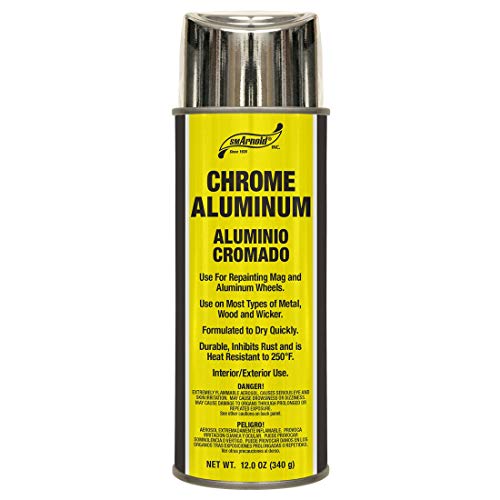
SM Arnold's chrome aluminum aerosol earns its multi-surface designation through one of the broadest adhesion profiles in this entire category — the formulation bonds to metal, wood, plastic, paper mache, glass, plaster, ceramic, and wicker with equal reliability, which opens up application possibilities that strictly automotive chrome paints simply cannot match. For car care purposes, this versatility translates directly to usefulness on wheel refinishing projects where you're dealing with both the aluminum wheel itself and plastic center caps, or on mixed-material automotive accessories where different substrates appear in the same visible area. The high gloss chrome aluminum finish adheres cleanly to all of these surfaces without requiring different primers or adhesion promoters for each material type.
The quick-dry chemistry is where SM Arnold genuinely excels — dry to the touch in just 5 minutes and ready for recoating in 20 minutes, this is the fastest-curing aerosol in this roundup by a significant margin, which matters enormously when you're working on multiple pieces in a single session or trying to complete a project before weather conditions change. Heat resistance rated to 250°F extends the usable range to moderately warm engine compartment components and brake caliper adjacent areas, though it falls short of Seymour's 300°F rating for true high-heat engine applications. The 12-ounce can at a competitive price point makes this exceptional value for larger projects.
The smooth, high-gloss chrome aluminum finish delivers the visual sophistication of metallic plating across a range of project scales, from full wheel refinishing to decorative crafts and DIY accessories. For enthusiasts who regularly work on varied projects — automotive detailing one weekend, home workshop fabrication the next — this is the single chrome aerosol that handles the full range competently, making it a practical staple for any well-stocked garage. Application in 55 to 75 degree ambient temperatures with humidity below 60% produces the cleanest results.
Pros:
Cons:
The Dupli-Color EBUN02007 occupies a specific and valuable niche in the chrome spray paint market as a color-matched automotive acrylic lacquer, engineered and tested to meet vehicle manufacturer specifications rather than simply approximating a chrome appearance. This distinction matters when you're touching up factory chrome accents on current or late-model vehicles where color accuracy is non-negotiable — the Perfect Match line represents the only chrome aerosol in this roundup that carries explicit manufacturer color testing and approval, which is a meaningful credibility advantage when the goal is seamless integration with existing OEM finishes rather than a custom chrome effect. The 8-ounce aerosol uses the same EZ Touch 360° Fan Spray Nozzle technology found across Dupli-Color's professional lineup, ensuring consistent spray pattern and coverage at any angle.
As an acrylic lacquer, this formulation dries to the touch in 30 minutes with full handleability in one hour, and the resulting finish is purpose-built for automotive panel and trim repair rather than wheel refinishing or engine applications. The high-quality fast-drying chemistry layers cleanly, allows wet-sanding and color sanding between coats if needed, and accepts clear coat overcoating for additional protection and gloss depth on exterior applications. According to lacquer chemistry principles, this type of formulation resolubilizes with additional coats, enabling a smoother final surface than enamel alternatives when multiple passes are applied.
Where the EBUN02007 earns its place in 2026's best chrome spray paint rankings is in collision repair shops, detail studios, and DIY garages where the mission is factory-accurate touch-up rather than custom restyling. If you need to blend a chrome accent repair into surrounding OEM trim without the telltale color mismatch that generic chrome sprays invariably produce, this is the product that makes that professional outcome achievable from an aerosol can.
Pros:
Cons:
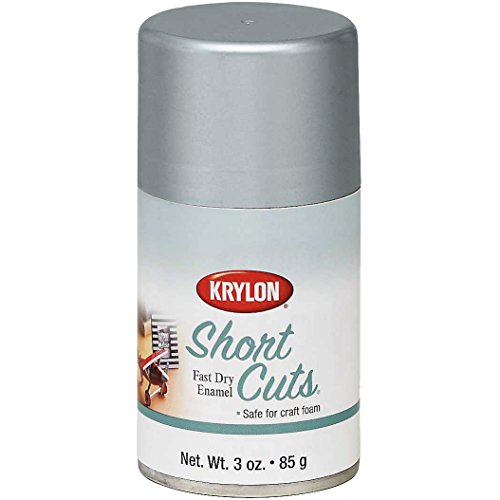
Krylon's KSCS032 Short Cuts Chrome represents a deliberate engineering decision to prioritize precision over volume, packaging a high-gloss chrome enamel into a compact 3-ounce aerosol that handles touch-up work, detail accents, and hard-to-reach areas with a level of control that larger cans simply cannot offer. The Short Cuts form factor — Krylon's purpose-designed small-format aerosol line — delivers a finer, more controlled spray pattern than standard automotive aerosols, making it the appropriate tool for touching up small areas of chrome trim, correcting stone chips on chrome bumper sections, or adding decorative chrome accents to tight interior spaces where a full-size can would overspray surrounding surfaces. The chrome enamel formula produces an elegant, smooth finish that reads convincingly as automotive chrome on small surfaces.
The trade-off is volume — 3 ounces limits you to detail work, and attempting to refinish anything larger than a door handle or small badge with this product requires multiple cans, making it economically inefficient for broader applications. But that constraint is entirely by design, and Krylon's Short Cuts line has earned a loyal following among automotive detailers and restorers who understand that the right tool for small precise work is a small precise tool. The enamel formulation offers solid durability for its application class, resisting the minor abrasion that chrome trim accents typically encounter from cleaning and handling.
For 2026, the Krylon KSCS032 earns its place in this roundup not by competing on volume or reflectivity but by being the only product specifically sized for controlled detail work — the chrome touch-up specialist in a category otherwise dominated by general-purpose aerosols. If you keep one chrome spray in your garage exclusively for detail corrections and small accent work, this compact Krylon is the most precise instrument available.
Pros:
Cons:

The single most consequential decision in chrome spray paint selection is formulation type, because lacquer, enamel, and specialty formulations each produce fundamentally different results and perform differently over time. Lacquer-based chrome paints — like the Rust-Oleum 340558 — cure through solvent evaporation rather than chemical crosslinking, producing faster dry times, higher reflectivity, and a more pronounced chrome illusion, but with less chemical and impact resistance than enamel alternatives. Enamel formulations — Dupli-Color ECS101007, SM Arnold, Krylon — cure harder and resist chipping and abrasion more reliably, making them the better choice for exterior trim and wheel applications that face physical stress and weather cycles. Specialty heat-resistant formulations like the Seymour EN-41 occupy their own category entirely, using unique chemistry to maintain adhesion and appearance under thermal cycling conditions that would cause standard lacquers and enamels to fail completely.
Understanding which formulation matches your application protects you from a costly and frustrating mismatch — applying a standard decorative lacquer to an engine component, or using a heat-resistant engine paint where maximum reflectivity is the priority, produces suboptimal results in both directions. Identify the application first, then select the chemistry that performs best in that specific environment.
No chrome spray paint — regardless of formulation quality or price — compensates for inadequate surface preparation, and this truth is more unforgiving with chrome finishes than with any other paint type because the high reflectivity of chrome actively amplifies substrate defects rather than concealing them. Every surface receiving chrome spray paint must be clean, dry, free of oil contamination, properly sanded to the appropriate grit for the specific formulation, and — for mirror chrome techniques — basecoated with the specified foundation color before the chrome layer is applied. Oil from fingerprints alone is sufficient to cause adhesion failures and fisheye defects in chrome lacquer finishes, which means wearing nitrile gloves during all surface preparation and application phases is standard practice rather than optional precaution.
Sanding between coats with 400-grit or finer wet-dry paper smooths out any dust contamination or orange peel texture that accumulates during application, and this step transforms acceptable results into professional-quality finishes — particularly on larger panels and wheel faces where surface texture is visible to anyone looking at the vehicle. The extra 30 minutes of sanding between coats represents the highest-return investment you can make in any chrome spray paint project.
Chrome spray paint is sold in volumes ranging from Krylon's 3-ounce Short Cuts format to 12-ounce full-size aerosols, and selecting the right can size for your project scale directly affects both results and budget. A full set of four standard passenger car wheels typically consumes an entire 12-ounce can when applied with three to four proper coats, while small trim accents, badges, and detail work require far less material and benefit from a smaller-format can that delivers better spray control at close distances. Buying too large a can for precision work wastes material through overspray and makes edge control difficult; buying too small a can for a large project forces you to switch mid-project and risks variation in finish consistency between cans from different manufacturing batches.
For budget planning in 2026, assume approximately 3 ounces of coverage per wheel for a three-coat application on a standard 17-inch rim, which means a 12-ounce can handles a four-wheel set with one coat of material remaining for touch-ups — this is the minimum reasonable purchase for full wheel refinishing. Engine bay restoration projects covering valve covers, air intakes, and accessory housings typically consume two 12-ounce cans when done thoroughly.
Chrome spray paint adhesion longevity depends on two compatibility factors that are easy to overlook during purchase: the compatibility of the new chrome coat with any existing paint or coating on the substrate, and the compatibility of any planned topcoat or clear coat with the chrome formulation being applied. Lacquer solvents will dissolve and lift uncured or soft enamel coatings beneath them, causing catastrophic adhesion failures within days of application, while some enamel chrome paints become tacky and discolored when clear-coated with lacquer-based clears. Most automotive refinishing suppliers publish compatibility charts, and following those charts eliminates 90% of coating failure scenarios before you ever open a can. If you're investing in a show-quality restoration, applying a compatible clear coat over the chrome layer protects the finish from UV degradation and extends the visual life of the chrome effect by two to three seasons in outdoor conditions, which makes the extra step well worth the effort for any project you expect to admire for more than a single summer.
Chrome spray paint is specifically formulated to maximize reflectivity and create the mirror-like appearance of electroplated chrome, while standard metallic silver paint uses coarser metallic particles that produce a glittery or sparkle effect rather than a true chrome illusion. True chrome spray paints — particularly lacquer-based formulations — use very fine metallic particles suspended in carriers that lay flat during curing, creating the highly aligned reflective surface responsible for the chrome effect. The visual difference between the two is most apparent at angles — chrome spray paint maintains its reflective depth across a range of viewing angles, while metallic silver paints become flat and matte-looking when viewed at low angles to the surface.
Primer requirements depend on the specific product and substrate, but most chrome spray paints perform best on surfaces that have been cleaned, sanded, and primed appropriately for the substrate material. On bare metal, self-etching primer creates a chemical bond that mechanical sanding alone cannot achieve, providing the adhesion foundation that keeps chrome finishes intact through thermal cycling and vibration. For mirror chrome techniques requiring a jet-black basecoat — as the Spaz Stix formula requires — the black base is functionally the primer layer, so no additional primer is needed between the black base and the chrome topcoat. On plastics, a dedicated adhesion promoter applied before primer prevents the delamination and flaking that plagues chrome finishes on flexible or low-adhesion polymer surfaces.
Durability depends heavily on the application environment, surface preparation quality, formulation type, and whether a protective clear coat has been applied over the chrome finish. In outdoor automotive applications with proper prep and clear coat protection, quality chrome lacquers and enamels maintain their appearance for two to four years before UV degradation, oxidation, or mechanical damage becomes visually apparent. Engine bay applications using heat-rated formulations like the Seymour EN-41 can remain stable for considerably longer since they're protected from direct UV exposure, though oil contamination remains an ongoing threat to adhesion. Interior chrome accents in low-abrasion areas often outlast exterior applications significantly, with quality enamel finishes remaining intact for five or more years in cabin environments.
Chrome spray paint should never be applied directly over rust, since rust is actively expanding ferrous oxide that breaks the mechanical bond between any coating and the underlying metal, causing adhesion failure and paint lifting within weeks or months of application. Before applying any chrome spray paint to rusted surfaces, all rust must be mechanically removed by sanding, grinding, or wire brushing to bright metal, followed by treatment with a rust-converting primer or phosphoric acid wash to neutralize any remaining traces of oxidation. For comprehensive rust management prior to any chrome finishing work, our rust prevention spray guide covers the complete treatment process that protects the substrate before the decorative chrome layer goes on — skipping this preparation step is the most common cause of chrome finish failures on automotive restoration projects.
Chrome spray paint is safe for wheel rim application when the correct product is selected for the specific rim material and application conditions, but not all chrome aerosols are appropriate for every wheel type. Cast aluminum and steel wheels accept most chrome lacquers and enamels well when properly prepared, while high-temperature brake dust environments near performance brake systems require heat-resistant formulations rated to at least 250°F to prevent coating degradation and discoloration. Avoid applying chrome spray paint directly over factory clear-coated OEM wheels without first removing the factory clear coat, since the solvent in lacquer-based chrome paints can cause wrinkling and lifting of factory clear coats that creates worse cosmetic damage than the original condition. Properly prepped and topcoated chrome wheel finishes withstand regular washing and seasonal temperature changes without lifting or cracking when the formulation is matched appropriately to the application.
Clear coat compatibility with chrome spray paint is formulation-specific and must be matched by chemistry type to prevent solvent interaction failures. Lacquer-based chrome paints — Rust-Oleum 340558 and Dupli-Color EBUN02007 — accept lacquer clear coats cleanly because the same solvent chemistry allows proper adhesion and blending between layers. Enamel-based chrome paints require enamel or urethane clear coats, since lacquer clears applied over enamel bases can dissolve or soften the enamel layer and cause permanent texture damage. For mirror chrome techniques using products like Spaz Stix, applying any traditional automotive clear coat will dramatically reduce reflectivity since the solvents flatten the fine metallic alignment responsible for the mirror effect — most mirror chrome enthusiasts skip the clear coat entirely or use specialized compatible clears designed specifically for the Spaz Stix system.
The right chrome spray paint is the one matched precisely to your application — choose the formulation that fits your substrate, your environment, and your finish goals, and preparation will always matter more than the brand on the can.
 |
 |
 |
 |

About Diego Ramirez
Diego Ramirez has been wrenching on cars since his teenage years and has built a deep practical knowledge of automotive maintenance and paint protection through years of hands-on work. He specializes in fluid service intervals, preventive care routines, exterior protection products, and the consistent habits that extend a vehicle's lifespan well beyond average. At CarCareTotal, he covers car care guides, cleaning and detailing products, and exterior maintenance and protection reviews.
Get some FREE car parts & gear.. Or check out the latest free automotive manuals and build guides here.
Disable your ad blocker to unlock all the hidden deals. Hit the button below 🚗
| | | |
