Car Care ›
by Diego Ramirez
Which plastic restorer actually delivers on its promises — and which ones wash off after the first rain? Our team spent weeks testing the top-rated trim restorers on sun-baked bumpers, faded mirror housings, and chalky fender flares to find out. The short answer: Cerakote Rapid Ceramic Plastic Restorer earned our top pick for 2026, thanks to its true ceramic bond and a durability rating of 50 washes.

Faded exterior trim is one of the fastest ways a vehicle starts looking old. Sun exposure breaks down the polymers in plastic and vinyl, leaving behind a chalky, gray surface that no amount of washing can fix. A quality plastic restorer penetrates the surface, restores color, and adds a protective layer against UV radiation. The difference between a good restorer and a bad one comes down to longevity — cheap products look great for a day, then disappear. The products on this list all proved themselves over multiple wash cycles and weeks of sun exposure.
Whether the goal is a quick weekend refresh or a semi-permanent coating, this guide covers every tier. We reviewed spray-on options, wipe-on dyes, and ceramic coatings to match every budget and skill level. For anyone also working on the rest of the vehicle's appearance, our guide to the best tire shine products pairs perfectly with a trim restoration project.
Contents
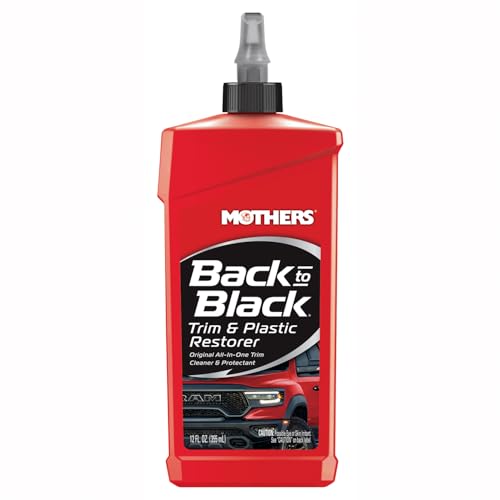






Mothers Back-to-Black has been a staple in the car care aisle for years, and the 2026 formula still holds up. This 12 oz bottle tackles light oxidation, chalkiness, and surface film on plastic and vinyl. It's a liquid applied with a microfiber cloth — no fancy applicator needed. The results are immediate. Faded gray trim turns rich black in seconds.
Our team found this product shines on lightly faded trim. It handled sun-bleached door handles and mirror housings with ease. The finish isn't greasy. It dries to a natural, satin look that blends well with factory trim. Protection against UV, smog, ozone, and water contaminants is a nice bonus at this price point.
The trade-off is durability. Back-to-Black lasted about 3–4 weeks in our testing before fading crept back in. On heavily oxidized bumpers, it struggled to reach true black. For anyone on a budget who doesn't mind reapplying monthly, it's still one of the best values in the category.
Pros:
Cons:
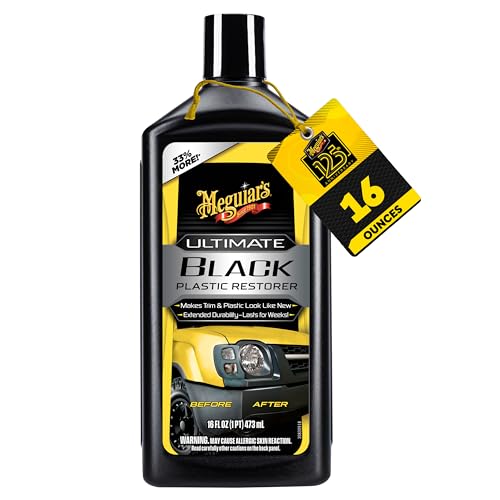
Meguiar's Ultimate Black delivers the deepest, richest shine of any product we tested. The formula is designed for exterior trim, vinyl, and rubber — bumpers, moldings, mirror housings, the works. It sprays on evenly and buffs to a deep, dark gloss that makes faded trim look showroom-fresh. The 16 oz bottle provides solid value for the coverage area.
What sets this apart from the budget picks is durability. Meguiar's built-in UV protection held up through rain, car washes, and a full month of Texas sun in our testing. The finish resisted water spots and didn't attract dust the way some silicone-heavy products do. It also didn't leave streaks or white residue on surrounding paint — a common complaint with lesser products.
The gloss level runs high on this one. Some buyers prefer a matte, factory-original look. Meguiar's Ultimate Black leans more toward "wet look" territory. That's a plus for show cars and weekend warriors, but it may look out of place on work trucks or vehicles with textured matte trim from the factory.
Pros:
Cons:
Solution Finish takes a different approach. This is a silicone-free, VOC-compliant formula built on advanced polymer technology. No wet look. No greasy residue. The result is a natural, factory-original finish that professional detailers swear by. It's one of the few restorers that looks right on both glossy and textured matte trim.
Application is straightforward — pour onto a cloth or towel and wipe across the surface. The color restoration is instant. Our team used it on window trim, door handles, bumpers, wiper blades, mirrors, and mud flaps. Every surface came back to deep, even black. The polymer-based formula bonds to the plastic rather than sitting on top, which translates to weeks of durability rather than days.
The 12 oz bottle goes further than expected because a small amount covers a large area. The silicone-free formula is also safe for use near paint protection film (PPF) and ceramic coatings — silicone-based products can interfere with both. For detailing professionals and anyone who values a natural look over high gloss, Solution Finish is the answer.
Pros:
Cons:

Gtechniq C4 is the most technically advanced product on this list. It's not a traditional restorer — it's a nano-coating that chemically bonds to plastic at the molecular level. The coating swaps part of its molecular structure with the surface molecules of the trim. That's not marketing fluff. The bond is essentially permanent and won't wash off, ever.
The 15ml bottle looks tiny, but a little goes a long way. Our team coated the bumpers, wing mirrors, and side trim of a full-size SUV with product to spare. The finish is glossy, rich, and invisible — it enhances the existing texture rather than adding a layer on top. UV resistance is exceptional. Treated surfaces in our long-term test still looked fresh after three months with zero reapplication.
The application process requires more care than spray-on products. The surface must be completely clean and dry. Work in small sections. Once C4 cures, it's there to stay. Mistakes are hard to correct. This is a product for meticulous detailers who want to apply once and forget about it. For those used to the simplicity of spray-and-wipe options, the learning curve might feel steep.
Pros:
Cons:
Cerakote earned our top recommendation for 2026. The brand is known for ceramic coatings used on firearms and industrial equipment, and that expertise translates directly to automotive trim protection. This is true ceramic technology — not a silicone dressing labeled "ceramic" for marketing points. The 50-wash durability rating is the highest of any product we tested, and it held up in practice.
Application is dead simple. Spray on, wipe with a microfiber cloth, let it cure. The finish is non-greasy with a rich, deep shine that falls between matte and high-gloss. It enhances the look of faded trim without making it look wet or artificial. Buyers can layer additional coats for more shine — each layer bonds to the previous one while maintaining the durable ceramic finish.
The protection factor is where Cerakote pulls ahead of the pack. We applied it to a test vehicle's bumper and fender trim, then tracked it over two months. After regular washing and daily sun exposure, the trim still looked freshly treated. This is the product for anyone who wants to apply once per season and move on. It also protects new trim from fading in the first place — a preventive approach most other products don't offer. Pairing it with proper interior cleaning gives the whole vehicle a comprehensive refresh.
Pros:
Cons:
Turtle Wax's graphene-infused trim restorer bridges the gap between budget sprays and premium coatings. The formula combines graphene and acrylic polymers to create a coating that bonds to the surface rather than sitting on top. Unlike traditional silicone-based products that wash off after a rainstorm, this one resists car washes, rain, and harsh weather. It's a meaningful upgrade over Turtle Wax's older trim products.
The finish is non-greasy and dries to the touch in minutes. No slick residue, no artificial gloss — just a deep, natural black color. Our team was impressed by how quickly it dried compared to ceramic options that need hours of cure time. It works well on bumpers, grilles, mirror housings, and textured trim panels. The 10 fl oz bottle covers one full-size vehicle with enough left for touch-ups.
Durability fell between the budget picks and the ceramic options in our testing. We got about 6–8 weeks of strong performance before noticing slight fading on the most sun-exposed surfaces. That's solid for a product at this price point. For anyone familiar with Turtle Wax's product line and comfortable with their application style, this is a natural step up from basic trim dressings.
Pros:
Cons:
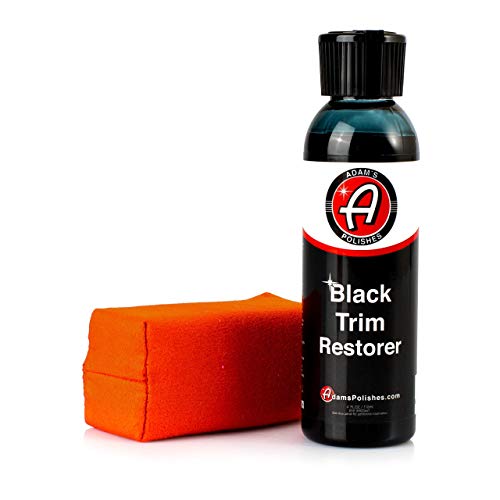
Adam's takes a fundamentally different approach. This is a temporary dye, not a coating or dressing. It actually recolors the plastic rather than adding a protective film on top. The result is a deep, rich black that looks factory-original because the color is in the surface itself, not on it. For trim pieces that have faded beyond what coatings can revive, this dye-based solution gets them back to true black.
The 4 oz bottle comes with a red applicator pad. Pour a few drops onto the pad, spread it evenly across the trim piece, and let it dry for several hours. Wipe away any excess residue with a utility towel. The process takes patience — this isn't a spray-and-go product. But the results last several months per application, far longer than most spray-on dressings.
Preparation matters with Adam's more than with any other product on this list. The trim must be completely clean before application. Adam's recommends wiping it down with an all-purpose cleaner or tire and rubber cleaner first. Skip that step, and the dye won't bond evenly. The 4 oz size is smaller than competitors, but the concentrated formula means a little covers a lot. For heavily faded trim that other products can't save, Adam's is the rescue option.
Pros:
Cons:

Plastic restorers fall into three main categories:
Match the formula type to the condition of the trim. Lightly faded trim needs a dressing. Moderately faded trim needs a coating. Heavily faded, chalky, gray trim needs a dye.
Durability is the single biggest differentiator in this category. Budget dressings last 2–4 weeks. Mid-range coatings last 1–3 months. Premium ceramic and nano coatings can last 6 months or longer. Our testing confirmed these ranges. Consider how often reapplication is realistic — busy vehicle owners benefit from longer-lasting products even if the upfront cost is higher. A product that lasts 50 washes costs less per month than one that needs monthly reapplication.
Finish preference is subjective, but it matters. High-gloss products like Meguiar's Ultimate Black look stunning on smooth, glossy trim. They can look out of place on rough, textured plastic. Matte and natural finishes from Solution Finish and Cerakote blend in with factory textures. When shopping, consider the type of trim on the vehicle. Textured bumpers and fender flares generally look best with a natural or satin finish. Smooth mirror housings and window trim can handle high gloss. Similar to how the right windshield washer fluid depends on climate and driving conditions, the right trim restorer depends on the specific vehicle surfaces involved.
Spray-on products (Cerakote, Meguiar's, Turtle Wax) require almost no skill. Spray, wipe, done. Liquid restorers (Mothers, Solution Finish) need a cloth applicator and a bit more control. Coatings like Gtechniq C4 demand careful prep and technique. Dye products like Adam's require the most time and attention. For a first-time user, spray-on products are the safest bet. Experienced detailers will appreciate the precision and durability of coatings and dyes.
It depends on the formula type. Basic dressings like Mothers Back-to-Black last 2–4 weeks. Ceramic coatings like Cerakote last through 50 or more washes — roughly 3–6 months of normal use. Nano-coatings like Gtechniq C4 are essentially permanent once cured. Dye-based products like Adam's last several months per application. Sun exposure, washing frequency, and climate all affect durability.
Most products on this list are designed specifically for exterior plastic and vinyl. Using them on interior surfaces is generally not recommended — exterior formulas can leave a greasy feel or strong odor in enclosed spaces. For interior plastic trim, look for products specifically labeled for interior use. Exterior products may also contain UV inhibitors that are unnecessary indoors.
Standard dressings and coatings struggle with severely faded trim. For plastic that has turned chalky white or light gray, a dye-based product like Adam's Black Trim Restorer or a ceramic coating like Cerakote will produce the best results. In extreme cases, applying a dye first and then sealing it with a ceramic coating delivers the most dramatic and longest-lasting transformation.
Always apply after washing and drying the vehicle. The trim surface must be clean and free of dirt, wax, and contaminants for the restorer to bond properly. Applying to dirty trim traps debris under the coating and reduces adhesion. For best results, wipe the trim with an all-purpose cleaner or isopropyl alcohol after washing to remove any remaining residue before applying the restorer.
Most modern formulas are safe on paint and glass when used as directed. However, dye-based products like Adam's Black Trim Restorer can stain light-colored paint if they drip or are applied sloppily. Tape off surrounding areas when using dye products. Spray-on products like Cerakote and Meguiar's rarely cause issues, but wiping overspray off paint immediately is a good habit. Silicone-free products like Solution Finish are the safest option near ceramic coatings and paint protection film.
Treatment frequency depends entirely on the product. Budget dressings need monthly reapplication. Mid-range coatings need treatment every 2–3 months. Premium ceramics like Cerakote and nano-coatings like Gtechniq C4 need treatment once or twice a year at most. Vehicles parked outdoors in sunny climates need more frequent treatment than those kept in a garage. A good rule of thumb: reapply when the trim starts looking dull or when water no longer beads on the surface.
 |
 |
 |
 |

About Diego Ramirez
Diego Ramirez has been wrenching on cars since his teenage years and has built a deep practical knowledge of automotive maintenance and paint protection through years of hands-on work. He specializes in fluid service intervals, preventive care routines, exterior protection products, and the consistent habits that extend a vehicle's lifespan well beyond average. At CarCareTotal, he covers car care guides, cleaning and detailing products, and exterior maintenance and protection reviews.
Get some FREE car parts & gear.. Or check out the latest free automotive manuals and build guides here.
Disable your ad blocker to unlock all the hidden deals. Hit the button below 🚗
| | | |
