by Marcus Chen
You've been living with that stock exhaust note long enough, and now you're serious about doing something about it. Maybe you want a deeper growl at idle, a proper crack under wide-open throttle, or just a few extra horsepower sitting on the table. Whatever brought you here, upgrading your cat-back system is one of the most rewarding performance modifications you can make — and in 2026, the options are better than ever. This guide cuts through the noise and gives you a direct look at the seven best exhaust systems available right now, so you can stop researching and start driving.
A great exhaust system does more than just sound aggressive. It improves exhaust gas flow, reduces back pressure, and in many cases delivers measurable horsepower and torque gains across the RPM range. According to engineering references, reducing back pressure by optimizing pipe diameter and muffler design directly translates to better volumetric efficiency in your engine. Whether you drive a muscle car, a diesel pickup, or a sport truck, there is a purpose-built system on this list built for your application. We cover everything from the thundering Flowmaster Outlaw to the refined Corsa Sport, so you can match the right system to your driving style and budget.
If you're also looking at other performance upgrades alongside your exhaust, this guide pairs well with research on brakes, suspension, and supporting bolt-ons. And if you're curious about how an aftermarket muffler fits into the bigger picture, check out our roundup of the best mufflers of 2026 for a closer look at standalone replacement options. Now let's get into the picks.
Contents



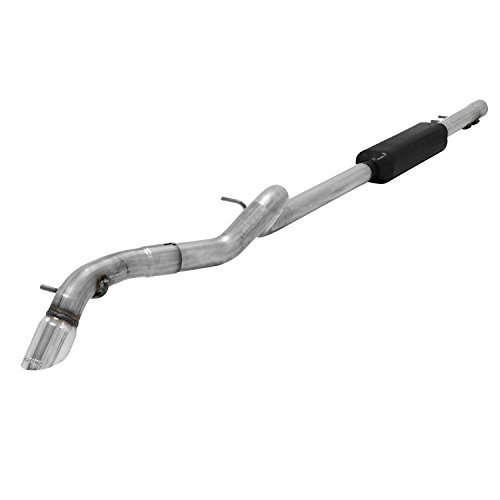


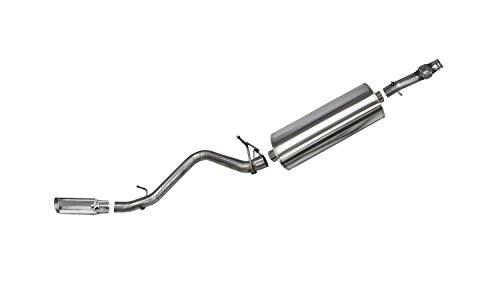



If you own a Dodge Durango R/T with the 5.7L HEMI V8, the BORLA 140449 is the system that was engineered specifically for your truck. BORLA uses T-304 austenitic stainless steel throughout, which is the same grade you find in surgical instruments and aerospace applications — it resists corrosion in a way that cheaper aluminized steel simply cannot match over years of road salt and heat cycling. The dual split rear exit layout with single 4.5-inch round T-304 stainless tips on each side fills out the rear fascia of the Durango beautifully, giving it a presence that matches the aggression of the HEMI under the hood.
The S-Type designation means BORLA tuned this system for a sound profile that is assertive and muscular at full throttle but never droning or obnoxious at highway cruise — a balance that is notoriously difficult to achieve on larger displacement V8 applications. Installation is bolt-on using factory hanger locations, and the all-welded construction eliminates the failure points that come with crimped or banded joints. BORLA backs every system with a one-million-mile warranty, which tells you everything about how confident they are in the build quality. If you're serious about getting the most out of your Durango's HEMI, this is the system to buy.
Pros:
Cons:
Flowmaster's American Thunder series has built an enormous following among truck and SUV owners who want genuine exhaust performance without sacrificing ground clearance or installation simplicity. The 817674 uses Flowmaster's Super HP-2 laminar flow muffler technology, which manages exhaust pulses in a way that produces Flowmaster's signature deep American muscle tone while simultaneously improving flow efficiency compared to older delta-flow designs. The system is engineered to use every factory hanger location, which means no drilling, no fabrication, and no fighting with misaligned brackets during installation.
The maximum clearance design is a standout feature for anyone who takes their truck off the pavement regularly, because aftermarket exhaust systems that hang too low become expensive casualties on rough terrain. With the American Thunder, Flowmaster has routed and sized the piping to maintain adequate ground clearance for moderate off-road use while still delivering the full-throated sound and flow improvements you'd expect from a dedicated performance exhaust. The build quality is solid, the fitment is precise, and the sound is exactly what you picture when someone says "American V8." For truck owners who need both street presence and off-road capability, this is a strong value proposition in 2026.
Pros:
Cons:
Gibson has long occupied the sweet spot between budget aluminized systems and premium stainless setups, and the 319639 is a textbook example of that positioning done right. The system uses 3-inch aluminized mandrel-bent tubing throughout, which maintains consistent interior diameter through every bend rather than collapsing the pipe cross-section the way crush-bent tubing does. That matters because any restriction in tube diameter creates back pressure that robs power — mandrel bending preserves flow, and 3 inches of diameter gives this system plenty of capacity for naturally aspirated and mildly boosted applications alike.
The Gibson muffler features a baffled and chambered internal design with no internal packing material, which is a significant advantage because packing-style mufflers lose their sound-deadening properties as the material deteriorates with heat cycles. The baffled chamber design is permanent and consistent, producing a powerful deep tone that does not change over time. The 4.0-inch polished T-304 stainless slash-cut tip adds a clean visual finish, and the clamp-on design makes installation straightforward even for someone working in a driveway with basic tools. If your budget is limited but your standards are not, the Gibson 319639 delivers honest performance without the premium price tag.
Pros:
Cons:

Corsa Performance occupies a unique position in the aftermarket exhaust market because their engineering philosophy is fundamentally different from Flowmaster's or BORLA's: Corsa uses Reflective Sound Cancellation (RSC) technology, which actively cancels drone frequencies at cruise RPM while still allowing the system to produce a genuine sport exhaust note under acceleration. If you've ever installed an aftermarket exhaust that sounded great in a parking lot but became unbearable on a two-hour highway drive, you understand exactly why Corsa's approach matters.
The 24871 Sport system uses 3-inch main piping paired with a single 4-inch polished Pro-Series tip for a clean, purpose-built look that does not try too hard. The complete kit includes the muffler, all required pipes, clamps, and the tip — everything you need for a full installation. Corsa is meticulous about vehicle-specific fitment, and they include detailed compatibility guidance to ensure the system you receive is built for your exact year, make, model, and submodel configuration. The Sport level sits between Corsa's Touring (mildest) and Xtreme (loudest) tunes, making it the right choice for enthusiasts who want noticeable exhaust character without waking the neighbors at 6 AM. If you're also investing in ceramic brake pads or other performance components, the Corsa Sport is the exhaust system that matches that level of refinement.
Pros:
Cons:
MagnaFlow's Competition Series 15677 is built for Mustang owners who want their exhaust system to mean something on both the street and the track. The system uses 2.5-inch main piping routed into a dual split rear exit configuration with polished 3.5-inch tips — a layout that mirrors the motorsport-inspired aesthetic MagnaFlow is targeting with this kit. The Competition Series name is not marketing language; MagnaFlow subjects every system in this line to extensive dyno testing to verify that the claimed power and performance improvements are measurable and repeatable before the product reaches the market.
The dyno-proven performance claim matters because it distinguishes this system from exhaust upgrades that sound better but do not actually improve engine output. By optimizing flow dynamics and improving exhaust gas evacuation efficiency, the 15677 delivers horsepower and torque gains that are consistent across the RPM band — not just a spike at peak RPM. The lightweight, high-performance design is also engineered with track use in mind, meaning it handles the thermal stress of sustained hard driving without the distortion or discoloration that plagues lesser systems. If your Mustang sees any time at an autocross or road course event alongside weekend street driving, the MagnaFlow Competition Series is the system that handles both roles without compromise.
Pros:
Cons:
Diesel exhaust systems operate in a completely different environment than gasoline applications — higher exhaust temperatures, soot-laden gas flow, and the mechanical complexity of turbocharger interaction demand components that are built specifically for diesel duty. MBRP's S6108409 is part of their XP Series, which uses 409 stainless steel construction to deliver the corrosion resistance and heat tolerance that diesel exhaust systems require without pushing into the price territory of their premium T-304 lines. For diesel truck owners who want a meaningful upgrade over the factory system without buying more system than their needs require, the XP Series hits that mark consistently.
MBRP is one of the few aftermarket exhaust manufacturers with a genuine engineering focus on diesel applications, and the S6108409 reflects that specialization. The system is designed to improve exhaust flow for diesel engines, which translates directly to reduced exhaust gas temperatures (EGT) under load — a benefit that matters significantly for anyone who tows regularly, because sustained high EGTs are one of the primary ways diesel engines incur long-term damage. If you're also interested in supporting your diesel's powertrain with the right lubrication, our guide to the best diesel motor oils of 2026 is worth reading alongside this exhaust upgrade. The MBRP XP Series delivers honest diesel performance improvements with the corrosion resistance and build quality that diesel truck owners demand in 2026.
Pros:
Cons:
The Flowmaster Outlaw is exactly what the name implies: this is the system for drivers who want the loudest, most aggressive exhaust character Flowmaster builds, and who are not interested in compromising that goal for neighbor-friendliness or highway refinement. Flowmaster designed the Outlaw with dual exit options — you can run dual out the rear or dual out the side, giving you genuine flexibility in how the exhaust presents itself visually and acoustically at the back of the vehicle. The large 4.0-inch black ceramic-coated tips are a visual statement that matches the audio one, and the all-stainless-steel construction ensures the system will hold up to the kind of enthusiast use that demands this sound level in the first place.
What Flowmaster has done with the Outlaw is eliminate the acoustic compromises that every other system on this list makes to some degree in the interest of drone control or daily usability. The Outlaw is not designed for daily commuters or highway cruisers — it is designed for people who take their vehicles to events, track days, and weekend drives where the whole point is to make noise and make power. The ceramic-coated tips resist heat discoloration that would quickly tarnish a polished finish under the exhaust temperatures this system generates. If you want the most dramatic transformation possible from your exhaust upgrade, the Flowmaster Outlaw is the definitive answer — just make sure your daily driving situation accommodates it before you order.
Pros:
Cons:
The material your exhaust system is made from determines how long it survives in your climate and how much it costs upfront. Here is a straightforward breakdown of your options:
The single most common mistake buyers make is choosing an exhaust based on a YouTube clip recorded at wide-open throttle and then discovering that the system produces an unbearable 2,000 RPM drone on the highway. Your driving mix determines which sound profile is right for you:
Exhaust pipe diameter has a direct and measurable effect on engine performance, but bigger is not automatically better — the correct diameter is determined by your engine's displacement, RPM range, and whether the application is naturally aspirated or forced induction. Running pipe that is too large for a small-displacement naturally aspirated engine can actually reduce scavenging velocity and cost power at low RPM. Here are the key principles to understand:
Before you finalize your purchase, you need to understand what the installation actually involves and what warranty protection comes with the system. Installation complexity varies significantly across the systems in this guide, and warranty terms differ in ways that matter for long-term ownership. Just as you'd verify compatibility when replacing a component like a serpentine belt, confirming exhaust fitment details before purchasing saves you from a costly return:
Yes, but the magnitude of the gain depends on your engine and the specific system you install. Cat-back systems improve exhaust flow and reduce back pressure, which allows the engine to expel exhaust gases more efficiently — this translates to measurable horsepower and torque gains, typically in the range of 5 to 20 horsepower for naturally aspirated V8 applications. Dyno-tested systems like the MagnaFlow Competition Series document their gains transparently. The gains are real, but they are not dramatic enough on their own to transform a vehicle's performance character — the improvement is best understood as part of a broader performance modification strategy.
Cat-back exhaust systems are generally street legal in most states because they replace components downstream of the catalytic converter and do not affect emissions control equipment. However, some states and municipalities have noise ordinances that can affect very loud systems like the Flowmaster Outlaw. California has specific regulations under the California Vehicle Code regarding exhaust noise levels that apply to modified vehicles. Always check your local regulations before purchasing, and be aware that sound levels that are legal in one state may not be legal in another.
Most cat-back systems on this list are designed for home installation with basic hand tools, a floor jack, and jack stands. The typical process involves removing the factory exhaust from the catalytic converter back, installing the new system using factory hanger locations and supplied hardware, and tightening all connections to spec. The entire process takes most home mechanics between one and three hours. The Gibson 319639's clamp-on design is particularly beginner-friendly. Where installation becomes more challenging is on older vehicles where factory hardware is corroded — having penetrating oil on hand and allowing time for it to work on stubborn fasteners is good preparation.
A cat-back system replaces everything from the catalytic converter back to the exhaust tips, including the intermediate pipes, resonator (if equipped), and muffler. An axle-back system replaces only the components from the rear axle back — typically just the muffler and tips. Cat-back systems deliver more significant sound and performance improvements because they replace a larger portion of the exhaust pathway, while axle-back systems are a more affordable entry point for buyers who primarily want to change the sound profile without the full investment of a cat-back upgrade.
A T-304 stainless steel aftermarket exhaust system like the BORLA 140449 will outlast the factory exhaust on most vehicles. Factory exhaust systems are typically made from aluminized steel as a cost-reduction measure, and they commonly begin showing corrosion after five to ten years in salt-belt climates. A quality T-304 stainless system is effectively a lifetime upgrade — BORLA's one-million-mile warranty reflects that confidence. Even 409 stainless and quality aluminized aftermarket systems will generally outlast factory components because the manufacturing standards and material thickness in the aftermarket premium segment exceed OEM specifications.
Under the Magnuson-Moss Warranty Act, a vehicle manufacturer cannot void your factory warranty solely because you installed an aftermarket part — they must prove that the aftermarket component caused the specific failure they are declining to cover. However, installing an aftermarket exhaust system can complicate warranty claims related to emissions equipment, O2 sensors, and exhaust-connected drivetrain components. If your vehicle is still under manufacturer warranty and warranty protection is a priority for you, it is worth consulting your dealership and understanding what documentation to keep when you install an aftermarket exhaust. Most enthusiasts find the performance and sound benefits worth the manageable warranty considerations involved.
The right exhaust system is the one that matches your specific vehicle, your daily driving reality, and the sound character you actually want to live with — not just the one that sounds impressive in a static YouTube video. Whether you go with the precision of the BORLA 140449 for your Durango, the drone-free refinement of the Corsa Sport, or the all-out aggression of the Flowmaster Outlaw, every system in this guide represents a genuine upgrade over the factory exhaust. Click through to Amazon to check current pricing and confirm fitment for your vehicle, and start enjoying the exhaust note your vehicle was always capable of delivering.
 |
 |
 |
 |

About Marcus Chen
Marcus Chen has over twelve years of hands-on experience modifying cars across a range of platforms — from commuter builds to track-focused setups — with deep expertise in suspension tuning, wheel and tire fitment, and performance upgrades that improve driving dynamics without sacrificing day-to-day reliability. He has worked with both bolt-on and engineered modifications and brings a methodical, results-focused approach to evaluating performance parts. At CarCareTotal, he covers performance upgrades, suspension and handling, and wheel, tire, and drivetrain modifications.
Get some FREE car parts & gear.. Or check out the latest free automotive manuals and build guides here.
Disable your ad blocker to unlock all the hidden deals. Hit the button below 🚗
| | | |
