Car Care ›
by Diego Ramirez
Which paint sealant actually lives up to its promises — and which ones are just glorified wax in a fancy bottle? If you've spent any time browsing detailing forums or standing in the car care aisle, you already know the market is flooded with options. The good news: after hands-on testing and research, one product rose to the top of our list consistently for its balance of durability, gloss, and ease of application. But the right sealant for your situation depends on more than just rankings — it depends on how you drive, where you live, and what you want from your finish.
Paint sealants occupy a critical niche in car care. Unlike traditional paste wax, which relies on carnauba and provides warm, organic depth, sealants use synthetic polymers that chemically bond to your paint. The result is harder, longer-lasting protection — typically two to six months, versus a few weeks for wax. In 2026, the category has expanded to include ceramic-infused sprays, combination polish-sealants, and multi-surface formulas that work on glass, paint, and trim alike. Knowing the difference between these subcategories before you buy saves you money and headaches down the road.
This guide covers six of the best paint sealants available right now, each reviewed for real-world performance. Whether you're maintaining a daily driver or prepping a show car, you'll find a recommendation here that fits your goals and your budget. And if you want to complete your detailing arsenal, our roundup of the best polishing pads of 2026 pairs perfectly with any sealant application workflow.
Contents






Meguiar's has been a trusted name in paint care for decades, and the Professional Synthetic Sealant 2.0 M2116 is one of their most refined formulations. Built around an advanced synthetic polymer blend, this 16-ounce bottle delivers a noticeably deeper, darker, and more reflective finish — the kind that turns heads in parking lots. The hydrophobic properties are genuinely impressive: water sheets off cleanly rather than beading in place, which means less water spotting after rain and easier drying on wash days.
Application is straightforward. Work it into clean paint with a foam applicator pad, let it haze slightly, then buff off. It wipes cleanly without excessive effort, even in warm conditions. One thin coat gives you solid protection; detailing professionals often layer a second coat after 24 hours for even longer-lasting results. The product cures into a slick, semi-hard barrier that resists road grime, light bird droppings, and UV exposure reasonably well. It's not a ceramic coating replacement, but for a traditional polymer sealant, the durability — typically three to four months on a daily driver — holds up well against its competitors in this price range.
If you're coming from a wax-only routine, this sealant will feel like a meaningful upgrade. The depth of gloss it produces on darker colors is particularly striking, and it plays well as a base under a spray detailer or quick detailer for ongoing maintenance. Keep in mind that like all sealants, surface prep matters — paint should be clean, decontaminated, and free of oils before application for the bond to work properly.
Pros:
Cons:
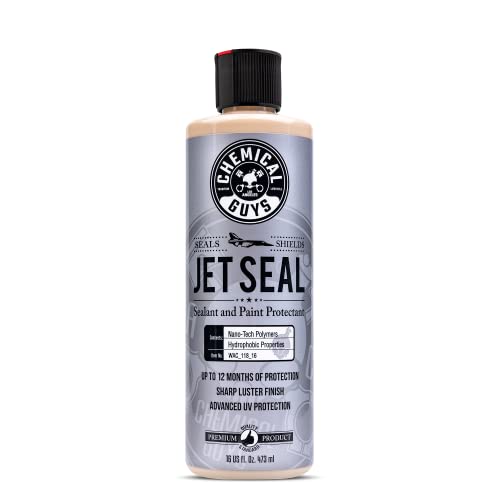
JetSeal has been a staple in the detailing community for years, and Chemical Guys earned that reputation by building a formula that punches above its price point. What separates JetSeal from most competitors is its bonding capability — it adheres effectively to paint, glass, metal, and plastic trim, making it a genuine all-surfaces solution rather than a paint-only product. That versatility matters when you're maintaining a truck, motorcycle, or SUV where the surfaces vary widely. The anti-corrosion marketing isn't just fluff either: the formula does provide a meaningful barrier against environmental contaminants including road salt, industrial fallout, and acidic rain.
The gloss output is high. JetSeal produces a clear, brilliant finish with noticeable depth, and vehicles stay cleaner between washes because contaminants have a harder time bonding to the slick polymer surface. Durability is one of JetSeal's strongest cards — properly applied to clean, prepped paint, you can expect four to six months of genuine protection on a vehicle that sees regular driving. That longevity makes it particularly popular among truck and SUV owners who want serious protection without constant reapplication. A single 16-ounce bottle stretches further than many expect, making the value proposition very competitive.
Application requires a bit of attention. JetSeal goes on thin — use a quality foam applicator pad and work panel by panel. It needs clean, dry paint and ideally a surface that's been clay barred first. Curing takes a few hours before the car should get wet. That's standard protocol for the category, but worth noting if you're looking for a quick-turnaround product. For anyone who also wants to protect their car's underbody from rust, our guide to the best rust prevention sprays for cars in 2026 covers complementary products worth pairing with JetSeal.
Pros:
Cons:
Wolfgang calls this the "OG" of paint sealants, and longtime detailers would largely agree. The Deep Gloss Paint Sealant has maintained a loyal following for years on the strength of its consistent performance and German-engineered super polymer technology. The durability claim — up to six months per single application — is one of the highest in the traditional polymer sealant category, and based on real-world use, it stands up to scrutiny. The formula repels water, oil, road dust, and grime effectively, and vehicles treated with Wolfgang genuinely stay cleaner between washes.
The gloss output leans toward intense and wet rather than the deeper, darker look you get from wax-based products. It enhances color depth and clarity simultaneously, which is particularly effective on silver, white, and light-colored vehicles. One aspect longtime users appreciate is how forgiving Wolfgang is during application — it wipes away cleanly like dust, resists streaking even in warm or humid conditions, and requires minimal product per panel. A little goes a long way, which means a 16-ounce bottle lasts through multiple applications on a full-size vehicle.
Made in the USA and inspired by German engineering principles, Wolfgang's formula sits at the upper-mid tier of the market — priced above budget options but well below professional-grade ceramic coatings. That positioning makes it a compelling choice for enthusiasts who want meaningful, long-lasting protection without committing to the prep time and cost of a ceramic coating. It works equally well applied by hand or with a machine polisher, making it accessible to weekend detailers and professional shop technicians alike.
Pros:
Cons:
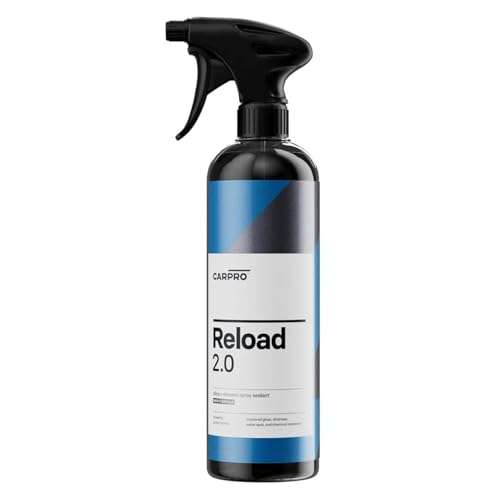
CARPRO Reload 2.0 bridges the gap between traditional polymer sealants and true ceramic coatings. Its silica and siloxane ceramic formula delivers a super hydrophobic layer that genuinely outperforms conventional sealants when it comes to water behavior — droplets form tight, high-contact-angle beads and roll off even at low speeds. The self-cleaning effect is real: rain rinses dirt and grime off treated surfaces with minimal assistance. That property alone makes it worth considering for daily drivers in rainy climates or anyone who hates frequent washing.
What's particularly impressive about Reload 2.0 is its flexibility. You can spray it onto a wet car right after washing — no need to wait for complete drying — which slashes application time significantly. It works as a standalone sealant providing up to three months of protection on daily drivers, or as a topper over an existing ceramic coating to refresh hydrophobic properties and extend protection. It bonds well to paint, glass, rubber trim, and plastic without staining — a common issue with some ceramic sprays that leave hazy residue on dark trim pieces.
The 500mL bottle (approximately 17 oz) is well-suited for full vehicle applications, and the product economy is good — a light mist per panel is all you need. Chemical resistance is one area where Reload 2.0 stands out from purely polymer-based sealants; the silica matrix holds up better against acidic contaminants like bird droppings and tree sap. If you're maintaining a vehicle that's had surface contamination issues in the past, pairing Reload 2.0 with a good clay bar treatment and our recommended bug and tar removers before application will maximize the bonding effectiveness and longevity.
Pros:
Cons:
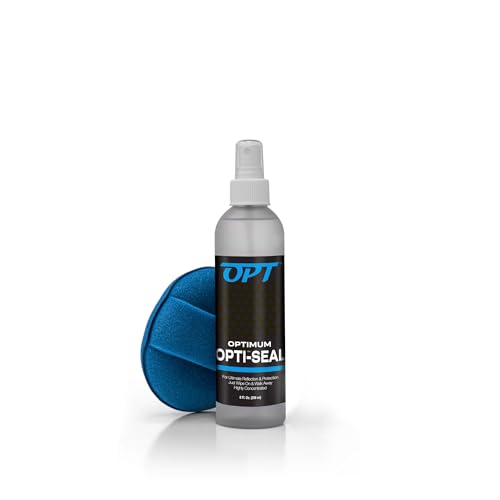
Optimum Polymer Technologies built their reputation on chemistry-forward products, and Opti-Seal is one of the most refined examples of that philosophy. The cross-linked polymer formula creates a dense, UV-resistant barrier that locks out dirt, moisture, oil, and harmful UV rays effectively. What makes Opti-Seal distinct in this roundup is its application simplicity — spray a small amount onto the included foam applicator pad and spread evenly over the surface. That's it. There's no haze to wait for, no timing window to hit, no buffing technique to master. Wipe it on and move to the next panel.
The 8-ounce bottle might look small compared to 16-ounce competitors, but the product concentration is high enough that an entire full-size sedan requires only a fraction of the bottle per application. The finish is clean, clear, and streak-free when applied in a thin, even layer — exactly the kind of result that makes you look like a professional detailer even on your first attempt. Gloss levels are solid without being the most intense in the category; Opti-Seal leans toward clean and refined rather than wet and dramatic.
Durability is competitive for a spray-style sealant, and the UV protection component is genuinely stronger than many alternatives — an important consideration if your vehicle lives outdoors in a sunny climate. The product also works well as a final stage protection layer after paint correction, sealing in the results of machine polishing without introducing swirl marks. For detailers who want maximum performance with minimum technique requirements, Opti-Seal is one of the most user-friendly options in the 2026 market.
Pros:
Cons:
Griot's Garage built the BOSS Finishing Sealant for detailers who want to knock out two steps in one pass — light paint correction and protective sealing done simultaneously. The formula combines sub-micron abrasives with polishing oils, synthetic polymers, and waxes in a blend that removes fine scratches, swirl marks, and surface hazing while depositing a durable protective layer. In practice, the abrasives are gentle enough that they won't induce new marring, even on soft clear coats, but aggressive enough to noticeably refresh oxidized or dulled paint surfaces.
The extended buffing time is a practical advantage that professionals appreciate. Many finishing sealants flash quickly, which forces you to work small sections under time pressure. BOSS gives you a longer working window, allowing for more thorough, precise correction with less product waste. It's particularly forgiving when using a dual-action polisher, where the slower pad motion benefits from that extra open time. The end result is a refined, smooth finish that carries a genuine polymer-based protective coat — not just polishing residue that washes away after the first rain.
Where BOSS differs from pure sealants in this roundup is that it's not the ideal choice for paint in already-great condition. If your clear coat is perfect and you're just looking to apply protection, a dedicated sealant without abrasives will give you a cleaner application and slightly better bonding. But for a vehicle with a year's worth of light swirl marks and minor surface dulling, BOSS can reset the finish in a single step. It's one of the smartest tools in the 2026 car care toolkit for efficiency-minded detailers.
Pros:
Cons:
Nu Finish has been around long enough that it's practically a rite of passage for new car owners, and the brand's evolution into 3-in-1 Ceramic Technology brings it firmly into 2026 relevance. A single application is designed to repair fine swirls and scuffs, seal the paint surface, and repel water and environmental contaminants — all without wax. The ceramic barrier it forms is described as "extreme" in terms of water beading, and in testing, the hydrophobic performance is genuinely impressive for a product at this price tier. It's a legitimate entry-level ceramic experience without the ceramic coating price tag.
The product philosophy here is simplicity and longevity. Apply it once, get protection that lasts. The ceramic-infused formula creates a durable protective barrier that resists future scratches and provides a glossy, wet finish without any residue or cloudiness. For car owners who don't want to spend hours on paint maintenance every few months, the "once a year" positioning is a real selling point — though realistically, reapplication every six to eight months on a daily driver will maintain the best results. The 16-ounce bottle offers solid value relative to the protection duration.
Nu Finish won't satisfy hardcore detailing enthusiasts who want maximum gloss drama or the deepest possible color enhancement — there are better tools in this roundup for that. But for the average car owner who wants clean, protected paint, simple application, and genuine durability without a complicated multi-step process, it's hard to argue against. According to Wikipedia's overview of automotive paint, modern clear coats benefit significantly from polymer-based protective layers, and Nu Finish's ceramic formula provides exactly that at an accessible entry point. Pair it with a good car drying towel to protect the fresh sealant during your post-wash routine.
Pros:
Cons:
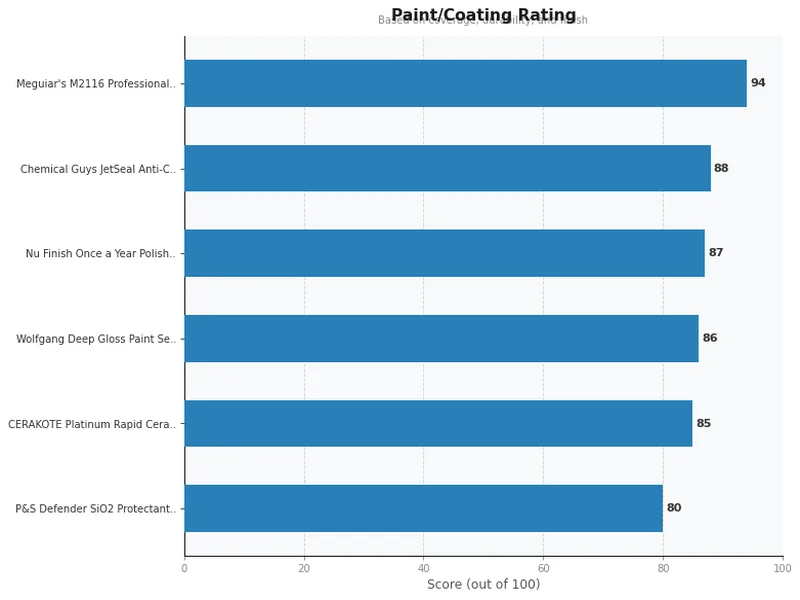
The most important variable is how long the sealant actually holds up under your driving conditions. Traditional synthetic polymer sealants — like Meguiar's, Chemical Guys JetSeal, and Wolfgang — typically offer two to six months of protection depending on climate, wash frequency, and surface prep quality. Ceramic-infused sprays like CARPRO Reload 2.0 may top out at three months but deliver superior hydrophobic performance within that window. Combination polish-sealants like Griot's BOSS and Nu Finish trade some durability for the convenience of fewer application steps. Match the formula type to your maintenance schedule and expectations: if you detail your car twice a year, a six-month polymer sealant makes sense; if you're topping up ceramic coatings quarterly, a ceramic spray sealant is the smarter tool.
Not all sealants are formulated for use beyond painted surfaces. If you want to protect glass, metal trim, plastic, and rubber in addition to paint, verify that the product you're buying supports those surfaces. Chemical Guys JetSeal explicitly bonds to all of those surfaces without issue. CARPRO Reload 2.0 is certified safe on rubber and plastic trim. Some products that work beautifully on paint will leave a hazy, difficult-to-remove residue on plastic trim — an expensive mistake to make. When in doubt, test on a small, inconspicuous area first, especially on older or matte-finish trim pieces.
Your application preferences matter more than most product descriptions acknowledge. Paste and liquid sealants applied by foam pad — like Meguiar's and Wolfgang — give you the most control over coverage but require more time and physical effort. Spray sealants like Optimum Opti-Seal and CARPRO Reload 2.0 dramatically reduce application time and are more forgiving of technique errors. If you're planning to apply over a machine-polished surface, a liquid sealant that can be spread via a DA polisher will give the most even, efficient results. Temperature matters too: most sealants perform best applied in shade at moderate temperatures, and some — like Wolfgang — are specifically formulated for performance in hot and humid conditions.
Different sealants produce meaningfully different visual results. Wolfgang and JetSeal produce a brilliant, high-clarity wet gloss. Meguiar's leans toward a deeper, darker reflective finish. Opti-Seal gives a clean, refined look that's more understated. Griot's BOSS, because it incorporates abrasives and waxes, produces a finish that combines the warmth of wax with polymer durability. If you're trying to match an existing finish, or planning to stack a sealant under a carnauba wax topper for a hybrid effect, think about how the gloss character of each product aligns with your aesthetic goals. On black or dark-colored vehicles, any product that enhances depth and reduces haze will be noticeably rewarding.
Car wax — particularly carnauba wax — is a natural product derived from palm leaves. It produces a warm, organic gloss but typically lasts only four to eight weeks. Paint sealants use synthetic polymers that chemically bond to the clear coat, providing harder, longer-lasting protection — usually two to six months. Sealants also tend to perform better against UV rays, water spots, and environmental contaminants. Many detailers use both: sealant as a base layer for protection, topped with a thin coat of wax for added warmth and depth.
Proper surface prep is the most critical step. Wash the vehicle thoroughly, clay bar the paint to remove bonded contaminants, and correct any swirl marks or scratches before sealing. Apply the sealant to clean, dry paint using a foam applicator pad, working panel by panel. Apply thin, even coats — product stacking does not improve results and can cause streaking. Allow the sealant to cure (usually 30 minutes to an hour, depending on the product) before buffing off with a clean microfiber towel. Avoid washing for 12 to 24 hours after application to allow full bonding.
Yes — and it's a common practice. Ceramic spray sealants like CARPRO Reload 2.0 are specifically designed to be used as toppers over existing ceramic coatings to refresh hydrophobic properties and extend protection. Traditional polymer sealants can also be used over ceramics, though their bonding to the ceramic surface is less robust than on bare clear coat. If you're using a sealant to top a ceramic coating, choose a dedicated ceramic booster or spray sealant rather than a paste or liquid polymer formula for best compatibility.
Protection duration varies significantly by product, climate, and maintenance habits. Most polymer sealants — Wolfgang, JetSeal, Meguiar's — last three to six months under normal conditions. Ceramic spray sealants like CARPRO Reload 2.0 typically provide two to three months. Products like Nu Finish claim annual protection under ideal conditions, though daily drivers in harsh climates will see results closer to six to eight months. Frequent washing with harsh detergents, parking outdoors year-round, and significant UV exposure will all reduce longevity. Topping with a quick detailer between applications can extend the effective protection window.
Not necessarily. Premium products like Wolfgang or CARPRO Reload 2.0 offer genuine performance advantages — longer durability, better hydrophobic performance, superior gloss clarity. But for a vehicle that sees only casual weekend driving and regular washes, a mid-tier option like Meguiar's Synthetic Sealant 2.0 will provide excellent results at a lower cost per application. The biggest performance variable isn't price — it's surface prep. A $20 sealant applied to properly decontaminated, corrected paint will outlast and outperform a $60 sealant applied to dirty, scratched clear coat.
Standard paint sealants are formulated for gloss clear coats and will alter the appearance of matte or satin finishes, often making them look shiny or uneven. If your vehicle has a matte or satin finish — either from the factory or via wrap — you need a product specifically formulated for those surfaces. Check the product label explicitly for matte compatibility before applying to anything other than a standard gloss clear coat. None of the products in this roundup are recommended for matte finishes without manufacturer confirmation of compatibility.
 |
 |
 |
 |

About Diego Ramirez
Diego Ramirez has been wrenching on cars since his teenage years and has built a deep practical knowledge of automotive maintenance and paint protection through years of hands-on work. He specializes in fluid service intervals, preventive care routines, exterior protection products, and the consistent habits that extend a vehicle's lifespan well beyond average. At CarCareTotal, he covers car care guides, cleaning and detailing products, and exterior maintenance and protection reviews.
Get some FREE car parts & gear.. Or check out the latest free automotive manuals and build guides here.
Disable your ad blocker to unlock all the hidden deals. Hit the button below 🚗
| | | |
